The basics of solar panel construction influence not only performance and durability but also the overall cost of a solar system installation. Understanding how panels are built, what goes into solar module construction, and how those choices impact installation labor, mounting systems, and long-term maintenance can help homeowners and installers make informed decisions that reduce lifetime costs and improve energy yield.
How solar panel construction affects system performance
Solar panel construction begins with the cell technology at the core of power generation. Monocrystalline, polycrystalline, and thin film cells each have different energy densities, efficiencies, and thermal characteristics. These differences affect how many modules are needed to meet a given load and therefore the size of the array and the complexity of the installation. Frame materials, glass thickness, and encapsulation methods also play a role: robust framing and tempered glass can withstand wind and hail, while high-quality encapsulants reduce moisture ingress that degrades cells over time. In short, the construction choices made during manufacturing determine not only immediate output but also degradation rates and warranty terms, all of which factor into total installation and ownership costs.
Key components in solar module construction
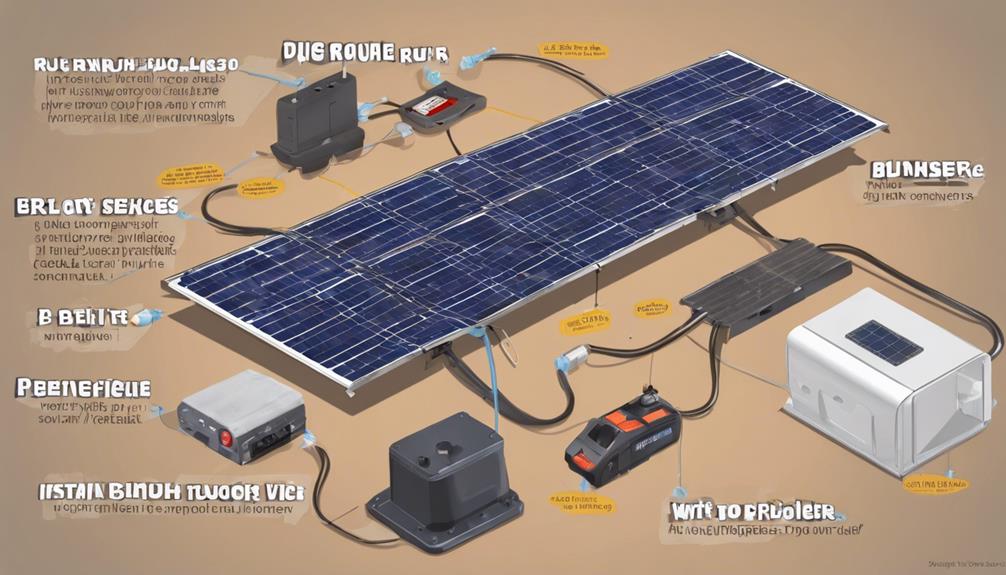
At the heart of every solar module construction process are several repeatable components: solar cells, encapsulant layers, front glass, backsheet or dual glass, and a supporting frame or mounting interface. Solar cells are electrically interconnected and secured within layers of ethylene vinyl acetate or similar encapsulants that protect the delicate silicon from moisture and mechanical stress. Front glass provides weather protection and optical clarity, while the backsheet or second glass layer offers electrical insulation and fire resistance. Junction boxes and bypass diodes prevent hot spots and help manage partial shading. High-quality components and precise assembly reduce the risk of hotspots, water ingress, and micro-cracks, which can otherwise increase maintenance costs and shorten the effective life of a system.
Manufacturing processes and quality considerations
The manufacturing environment and process controls for solar panels vary widely. Automated module assembly with stringent quality control, thermal cycling, and mechanical load testing typically yields more consistent products. Lower-cost manufacturing may omit some testing or use thinner glass and lower-grade encapsulants, which can reduce upfront cost but increase the likelihood of early failures and higher long-term expenses. Certifications such as IEC and UL provide assurance of safety and performance, but buyers should still consider production warranties, PID resistance, and potential power degradation curves. These specifications inform realistic expectations for energy generation and influence the financial modeling that underpins system installation decisions.
Installation considerations tied to panel construction
Panel construction directly impacts installation methods and costs. For example, frameless glass on glass modules can be heavier and require different clamps and structural support compared with framed aluminum modules. Thin film modules may be more flexible and suited to certain roof types, but they may also require larger surface area to achieve the same output as crystalline modules, affecting mounting hardware and roof penetrations. The choice of module dimensions influences racking, wiring runs, and inverter sizing, while module weight and wind load ratings determine roof reinforcement or the need for ground mounting. Installers must evaluate these construction-related variables during site assessment to minimize surprises and optimize labor and material costs.
Practical use cases and cost implications
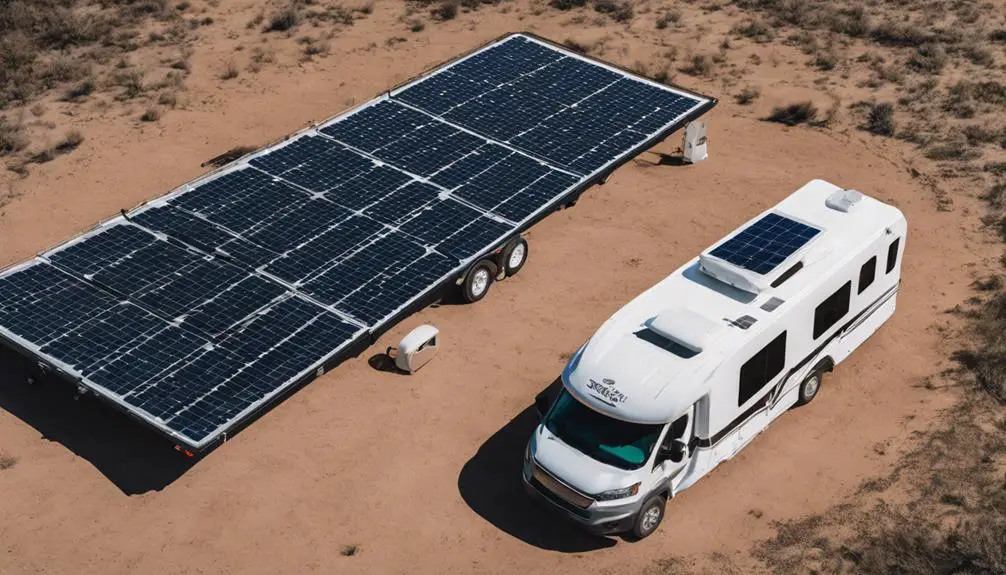
Different installation scenarios benefit from particular construction choices. Residential rooftop systems often prioritize high-efficiency monocrystalline modules to minimize roof area and simplify permitting, while utility-scale installations may favor slightly less expensive polycrystalline or bifacial modules to maximize energy per dollar on large tracts. Commercial installations with flat roofs might use lightweight, ballasted racking systems paired with framed modules to avoid roof penetrations and reduce labor. In all cases, upfront module costs must be balanced against expected lifetime energy yield, degradation rate, warranty length, and potential maintenance expenses. Properly accounting for these factors during the design phase results in more accurate cost estimates for the solar system installation and a clearer return on investment calculation.
Maintenance, durability and end of life
Well-constructed solar panels can deliver reliable performance for 25 years or longer, but maintenance and eventual replacement still contribute to the lifecycle costs of a solar system. Construction quality affects susceptibility to common issues such as micro-cracks, junction box failures, and moisture-induced degradation. Regular inspections can catch problems early, but the frequency and complexity of maintenance are influenced by module design. Additionally, recycling and disposal considerations are becoming more important as more systems reach the end of their useful life. Panels with recyclable materials or modular designs that make component separation easier can reduce disposal costs and environmental impact, factors that are increasingly relevant when evaluating total costs for solar system installation.
Understanding solar panel construction and its influence on installation and lifecycle costs is essential for homeowners, businesses, and installers alike. By evaluating module construction details, manufacturing quality, and how those choices align with the intended installation, stakeholders can design systems that balance upfront expense with long-term reliability and energy production. Thoughtful selection of panels, combined with careful installation planning, leads to lower lifetime costs and stronger returns from solar investments.