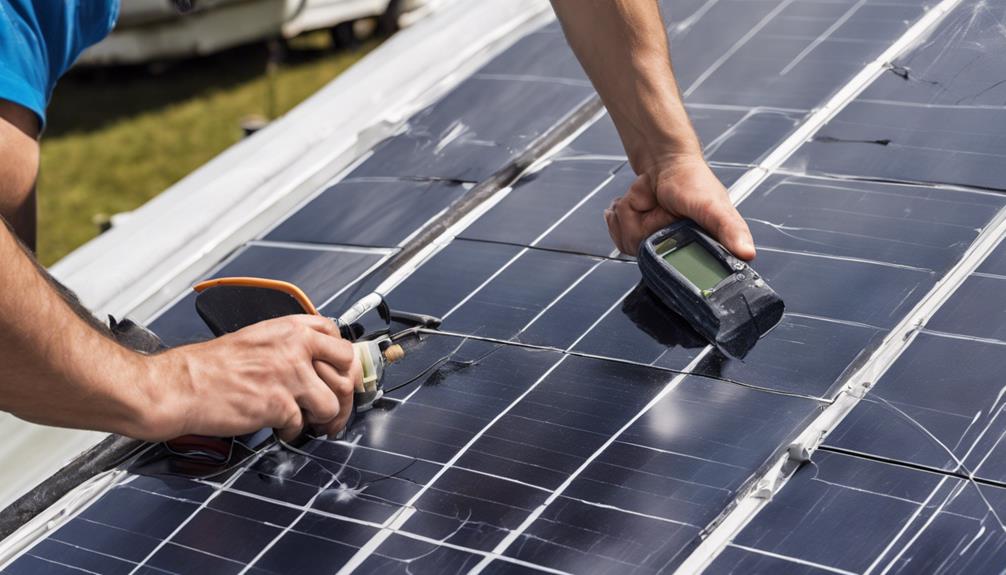
“Solar panel” can mean several things: the material and cell technology inside a PV module, the module’s mechanical design, or the physical format and application it’s intended for. This guide explains the types of photovoltaic (PV) modules available to U.S. homeowners, businesses, and off‑grid users and shows how to compare products beyond the advertised wattage.
The main categories: panel material and format
By absorber material
- Monocrystalline silicon — Single‑crystal silicon wafers. The dominant choice for new residential installs because of high power density per square foot and broad availability. Modern monocrystalline modules may use several cell architectures (see below).
- Polycrystalline silicon — Made from multiple crystal fragments. Historically cost‑effective but lower efficiency than current monocrystalline modules; still useful for replacements, used systems, or projects with ample roof space.
- Thin‑film — PV materials (CdTe, CIGS, amorphous silicon, etc.) deposited in thin layers. Useful where low weight, flexibility, or very large area coverage matters; usually needs more area for the same rated power as crystalline silicon modules.
By physical format and application
- Rigid rooftop modules — Typical framed panels used on homes and businesses.
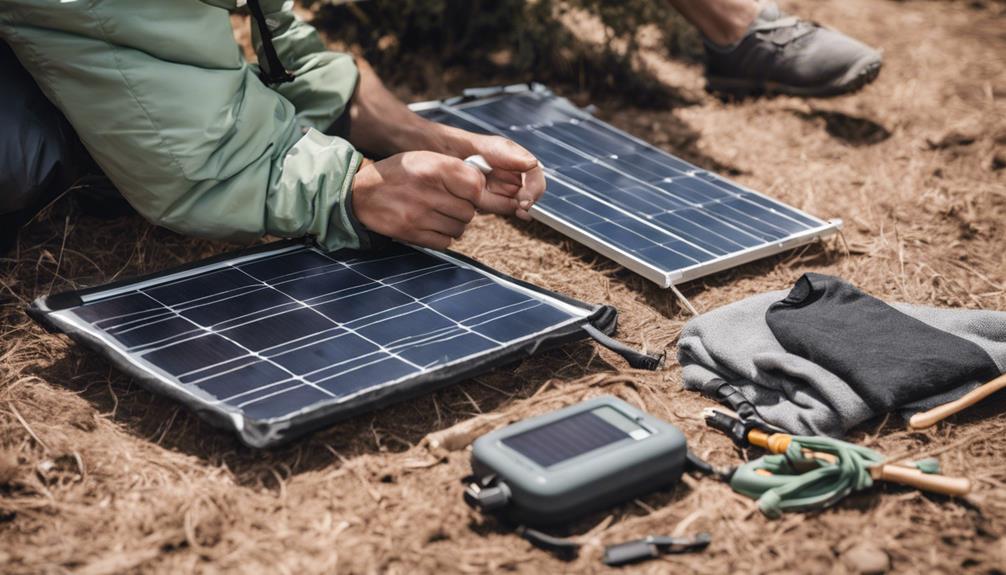
- Flexible panels — Lightweight, bendable sheets for curved surfaces or weight‑sensitive roofs; check mounting and durability specs.
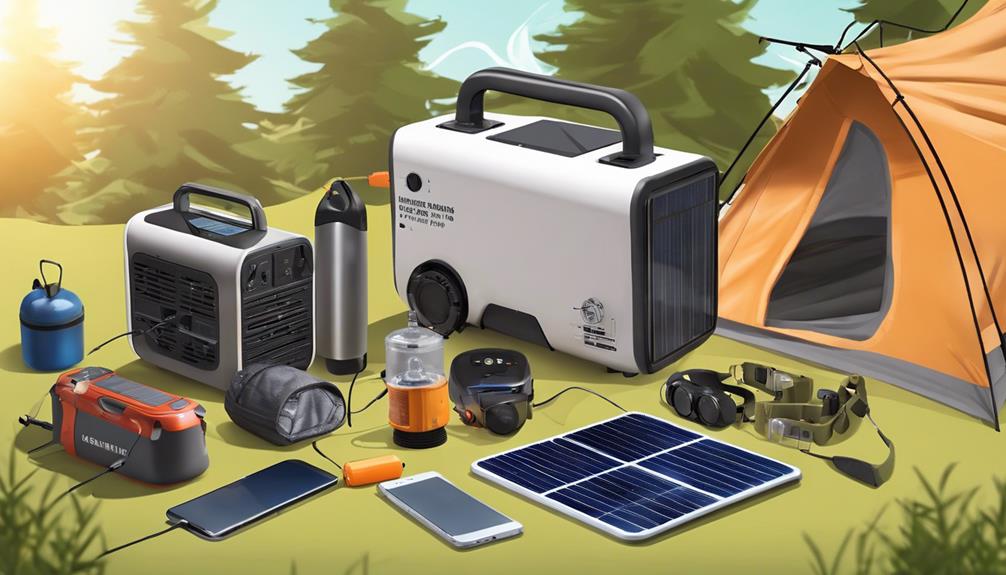
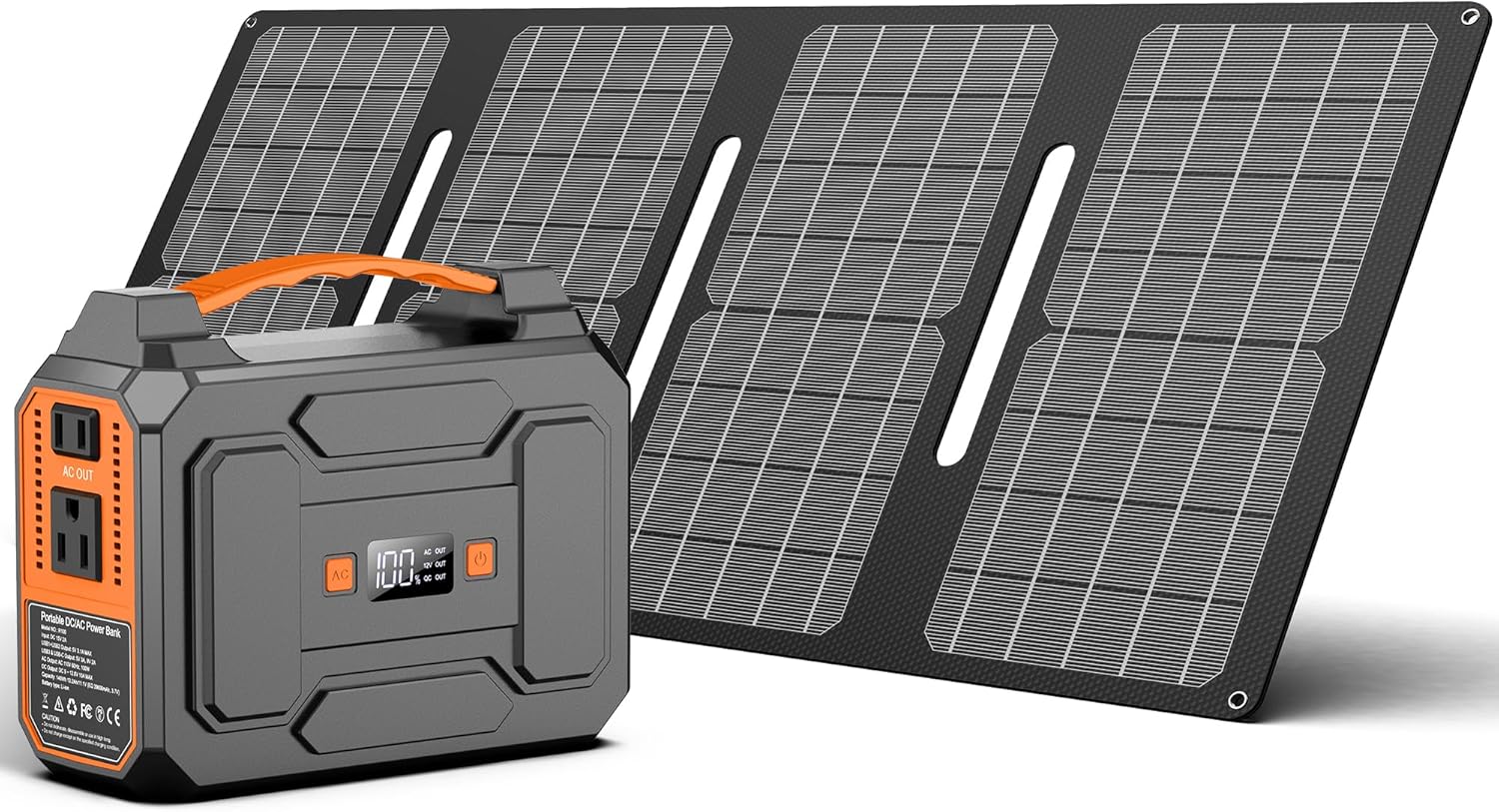
- Portable panels — Foldable or rigid kits for camping, RVs, or charging batteries; verify connectors and controllers.
- Solar shingles and BIPV — Photovoltaics integrated into roofing or building elements; evaluate as roofing systems, not direct substitutes for framed modules.
Cell architecture and module design
Two panels both labeled “monocrystalline” can perform differently because of cell architecture and module construction. Common architectures and design features you’ll see in listings:
- PERC — An established crystalline‑silicon architecture.
- TOPCon, HJT/SHJ, IBC — N‑type and heterojunction variants that can improve efficiency, temperature behavior, or degradation compared with older designs.
- Monofacial vs. bifacial — Bifacial modules can produce additional energy from rear‑side light when mounted with clearance and reflective surfaces; gains are site‑dependent and not guaranteed.
- Half‑cut and shingled — Cell‑level layouts intended to reduce resistive losses and improve shade tolerance.
Which panel type suits common use cases?
- Typical home rooftop — Monocrystalline modules (often using TOPCon or HJT today) are common because they deliver high output per square foot when space is limited.
- Business or large canopy ground mount — Bifacial modules and trackers can add yield where mounting height, spacing, and reflectivity support rear‑side generation.
- RV, boat, or portable power — Lightweight or portable panels are convenient, but check electrical specs, connectors, and whether you need MPPT charge controllers or inverter compatibility.
- Remote/off‑grid — Panel choice depends on system voltage, battery chemistry, and expected lifetime; ruggedness, warranty support, and local service matter.
- Solar shingles/BIPV — Consider these as both a roof and an energy system; assess roofing warranties, installation complexity, and comparative energy yield per roof area.
How to compare panels for sale
Don’t rely on the module wattage alone. Use the datasheet to compare:
- Rated power (watts) and module efficiency
- Dimensions and weight (to check roof coverage and racking needs)
- Temperature coefficient (how output falls as module temperature rises)
- Power and product warranty lengths and guaranteed output at end of warranty
- Degradation rate and expected end‑of‑warranty output
- Bifaciality factor (for bifacial modules) and recommended mounting clearance
- Mechanical load ratings, fire classification, and UL/IEC certifications (UL 61730, IEC/UL 61215 or equivalent)
- Manufacturer support, authorized distributor network, and availability of replacement modules
- Compatibility with your proposed inverter, racking, and system voltage
- Total installed price per watt and estimated annual production for your site
Panels versus a complete system
A module is only one part of a working system. A complete system includes the inverter (or microinverters), racking, wiring, disconnects, permitting, monitoring, and possibly batteries. When shopping, compare written bids that state system size (kW DC), expected annual energy production for your location, all equipment, labor, and warranty responsibilities.
Warranties, certification, and buying channels
Look for separate product (materials) and performance (power output) warranties, plus clear inverter and installation warranties. Verify safety and performance certifications appropriate for U.S. installations. Buy from reputable installers, authorized distributors, or verified reseller channels; be cautious with used or discounted panels that lack documentation or certification.
Questions to ask before you buy
- Is this a module‑only price or a complete installed system price?
- What is the rated power, efficiency, and temperature coefficient?
- Which cell architecture (PERC, TOPCon, HJT, etc.) and is it monofacial or bifacial?
- What are the product and performance warranties and guaranteed output after 25–30 years?
- Is the module certified for the intended installation and compatible with the proposed inverter and racking?
- Who will handle warranty claims and repairs?
Final tip: compare multiple detailed proposals rather than choosing solely by panel brand or headline wattage. Request site‑specific production estimates and warranty terms to make an informed purchase decision for your home, business, or off‑grid project.