Most homeowners who want rooftop solar buy a complete, professionally designed and installed solar photovoltaic (PV) system—not individual panels. The right system depends on your roof, your electricity needs, your utility’s rules, and your budget. This guide walks through the key choices, what to check on quotes and contracts, payment options, and how to avoid common pitfalls.
Decide what you want solar to accomplish
Be clear about your goals before you shop.
- Reduce monthly electricity bills or hedge against rising rates.
- Offset some or most household consumption (expressed in kWh per year).
- Provide backup power during outages (requires battery and special configuration).
- Participate in community solar if your roof, lease, or budget makes rooftop impractical.
Check whether your home is suitable
Assess these site factors before requesting firm bids:
- Roof age and condition—panels last decades; replacing a roof after installation adds cost and complexity.
- Roof size, shape, slope and orientation; south-facing 15–40° roofs often perform well but other orientations can work.
- Shade from trees, chimneys, or nearby structures—shading reduces production and may affect system layout.
- Electrical panel capacity and wiring—older panels may need upgrades to accept a solar interconnection.
- At least 12 months of utility bills to size the system based on actual kWh use, and account for future changes (EVs, heat pumps, additions).
Choose between rooftop solar, solar-plus-storage, and community solar
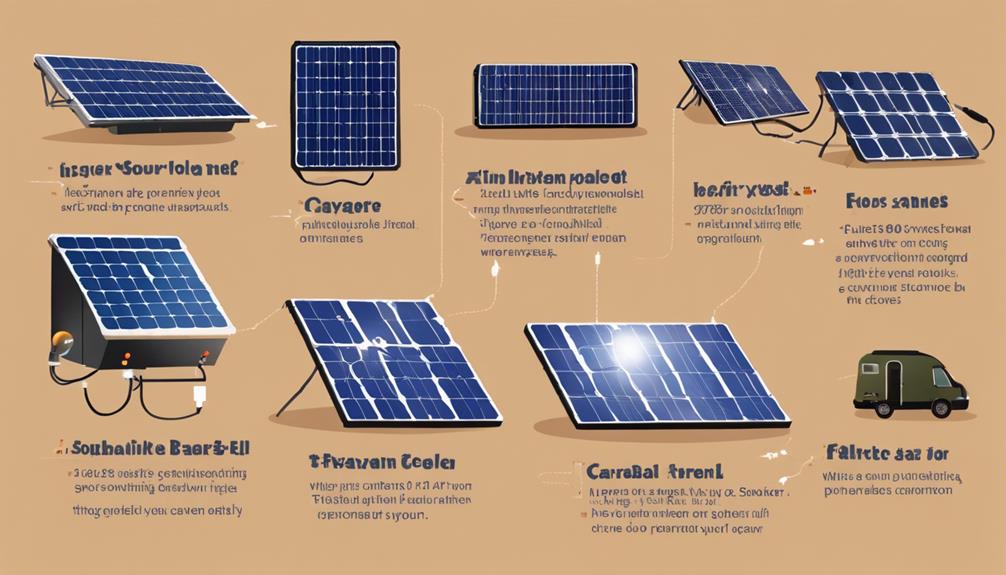
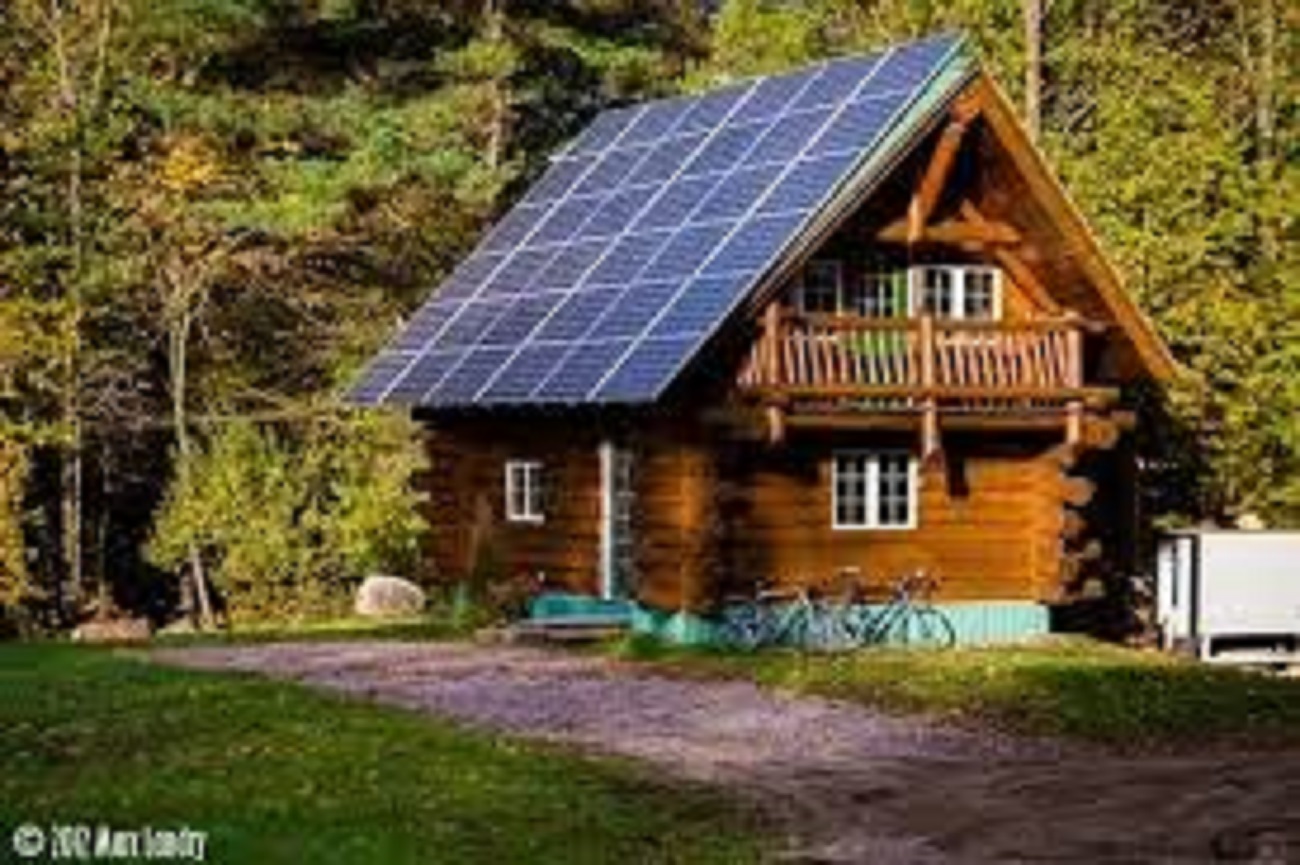
Rooftop PV systems generate electricity for the home. Solar-plus-storage adds a battery for shifting energy and possible backup. Community solar lets you buy or subscribe to a shared array without on-site panels. Batteries add cost and complexity; they are useful for backup or time-shifting but aren’t automatically cost-effective for every household.
Understand the main equipment
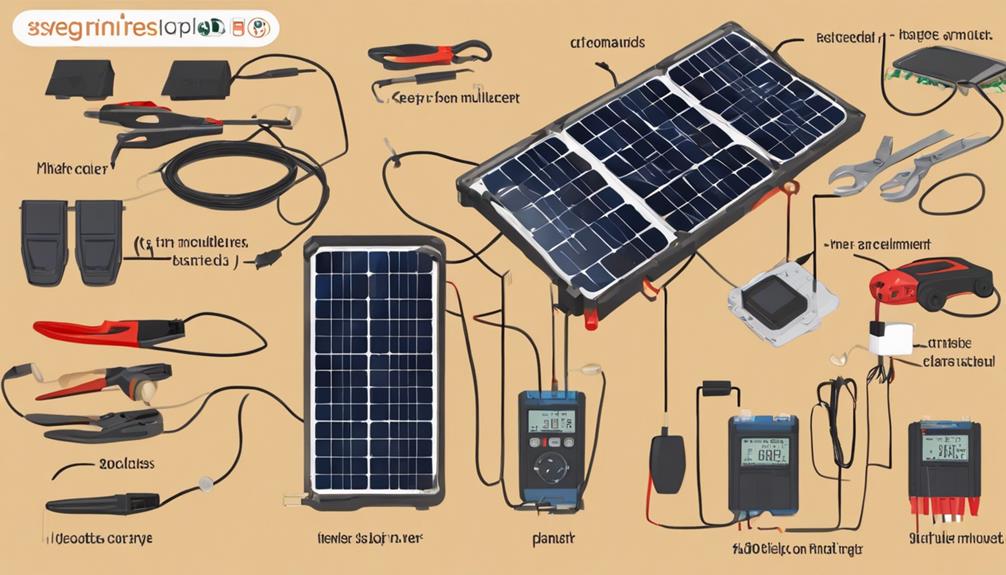
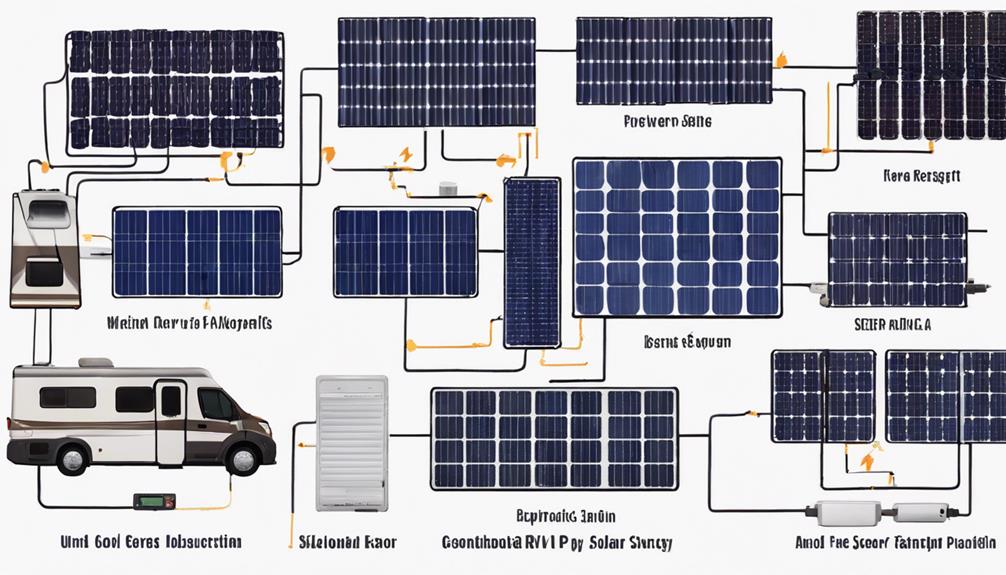
- PV modules (solar panels): grouped into a solar array; rated in DC kilowatts (kW).
- Inverter: converts DC to AC. Options include string inverters, microinverters (one per panel), and power optimizers (module-level electronics used with string inverters).
- Racking, wiring, combiner boxes, safety disconnects, and monitoring hardware.
- Batteries (if included) and their required battery inverter/charger and controls.
- Warranties: performance warranty for PV modules and workmanship warranty from the installer; inverter warranties often shorter than module warranties.
Get and compare quotes: a practical checklist
Obtain detailed written bids from multiple installers and verify the items below for each quote.
- System size: kW DC and, if applicable, battery kWh capacity.
- Estimated annual production: kWh/year and the assumptions (orientation, tilt, shading, modeling tool).
- Full price: cash price, financing terms (APR, loan length), taxes, permit fees, and any ongoing monitoring or maintenance fees.
- Utility work: who handles interconnection, meter changes, and export compensation assumptions.
- Equipment list: panel make/model, inverter type, racking system.
- Warranties: manufacturer performance warranty, inverter warranty, and installer workmanship warranty including durations and claim processes.
- Roof and installation: roof-penetration protection, removal/reinstallation for roof work, and responsibility for repair.
- Service terms: monitoring access, maintenance obligations, response times, and what voids warranties.
- Contract terms: ownership, transfer or buyout on sale, escalation clauses (for leases/PPAs), cancellation rights, and deposit schedule.
- Installer credentials: local licenses, insurance, bonding, references, complaints history, and any NABCEP certifications (a signal, not a substitute for local checks).
Payment and ownership choices
- Cash purchase: you own the system and may be eligible for ownership-based incentives if available.
- Solar loan: you typically own the system while paying finance charges; loan terms affect savings.
- Lease: a company owns the equipment and you pay fixed payments; contracts often limit transfer options and can include escalators.
- PPA: third-party owns the system and sells you the power at an agreed per‑kWh rate; payments vary with production.
Each option has tradeoffs for taxes, incentives, maintenance obligations, and home-sale implications. There is no one-size-fits-all recommendation.
Incentives, tax credits, and utility export rules
Incentives and export compensation vary widely by state and utility. As of July 27, 2026, the IRS notes that the Residential Clean Energy Credit applied only to eligible property placed in service through December 31, 2025; confirm current federal and local incentive rules before making financial decisions. Check your utility for current net metering, net billing, or export compensation policies and consult a state incentive database for local programs.
Avoid scams and high-pressure sales
- Beware of “free solar” and claims that government programs will fully pay for installation.
- Do not sign under pressure; get everything in writing and allow time to compare bids.
- Avoid large unexplained deposits and cash-only demands; verify company identity and licensing, and check for government impersonation tactics.
What happens after you sign
- Site assessment and final design, including production modeling and shading analysis.
- Permitting and local approvals handled by the installer per contract terms.
- Installation, inspection, utility interconnection, and permission to operate (PTO).
- Monitoring setup and handoff of warranty and maintenance information.
Bottom line
Buy a solar PV system based on total system value—projected production (kWh), clear contract terms, installer reliability, and local utility rules—rather than brand names or advertised monthly savings alone. Get several detailed written quotes, verify licenses and warranties, and recheck incentives and utility policies right before signing.
Note: Rules and incentives change. Reconfirm federal tax rules, state and local incentives, and your utility’s export compensation before finalizing a purchase.