Introduction
It’s possible to assemble a small solar project at home, but there’s a big difference between an educational DIY panel and a certified residential photovoltaic (PV) system. This article explains what a homeowner can reasonably do, why homemade PV modules are usually not suitable for rooftop or whole-home use, and how to plan a small off-grid or portable system safely.
Can you really make solar panels at home?
People can solder individual PV cells into a simple demonstration module, which is useful for learning how PV cells work. However, a durable, weather-resistant PV module requires proper encapsulation, mechanical protection, reliable electrical connectors, and testing against safety and performance standards (for example, UL 61730 and IEC 61215). Commercial PV modules are engineered and certified to withstand years of outdoor exposure; improvised modules rarely match that durability or have safety listings.
Choose the right DIY project
DIY solar is most practical when scoped down. Good homeowner projects include:
- Shed lighting or a small cabin DC system
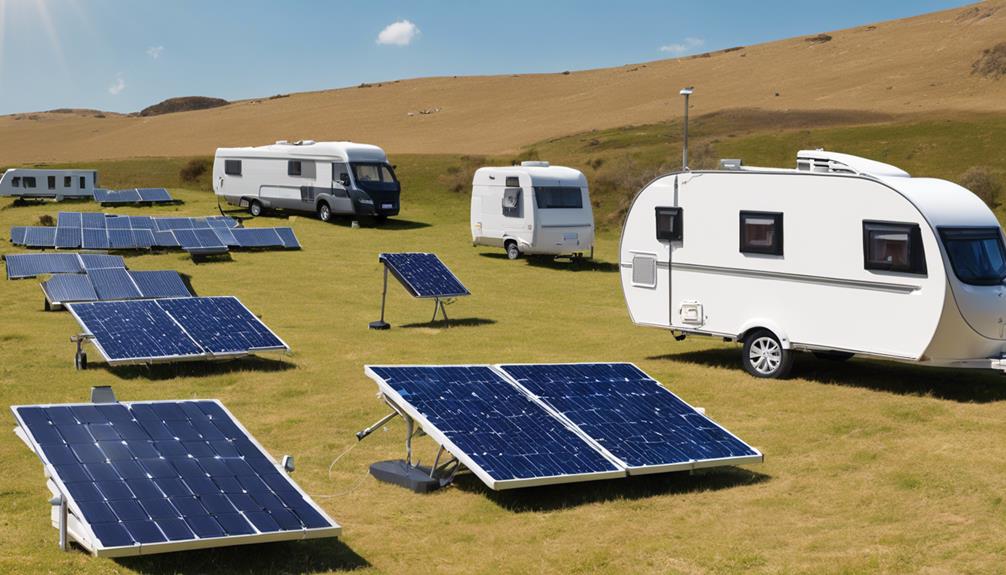
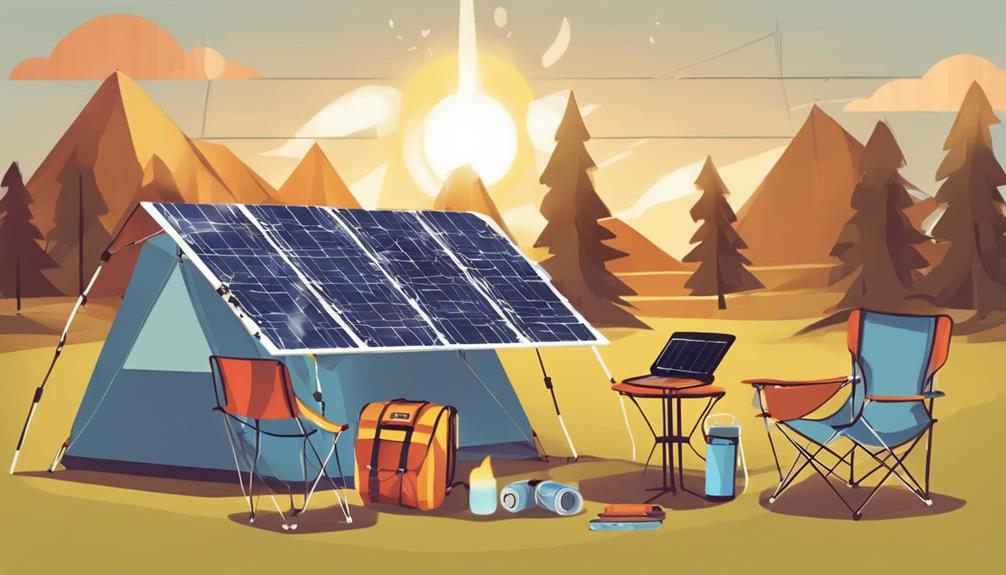
- Portable systems for an RV, boat, or camping
- Powering a remote sensor, security camera, or small fan
- A small battery-backed station for tools or charging devices
By contrast, a rooftop grid-tied system, a whole-home PV array, or any installation that interfaces directly with your service panel usually requires professional design, code compliance, permits, and utility approval.
Safety warning
Before reading component or wiring descriptions: Solar modules produce electricity whenever they are illuminated. Working with PV equipment can create serious shock, arc-flash, fire, battery hazards, and fall risks. Do not perform service-panel work or grid interconnection without a qualified electrician. Never improvise fuses, grounding, or disconnects.
What you need for a small off-grid system
For a safe, limited off-grid setup (shed, RV, or portable station), you’ll usually need the following types of components. This is a conceptual checklist, not a wiring diagram.
- One or more certified PV modules (commercial solar panels) sized for the intended load
- Mounting hardware suitable for the installation environment
- PV-rated cable and connectors
- Charge controller to manage battery charging safely
- Battery or battery bank with appropriate battery-management and ventilation
- Inverter if you need AC power (choose between a microinverter, string inverter, or off-grid inverter depending on architecture)
- Overcurrent protection (fuses or breakers), disconnects, and enclosures appropriate to local code
- Proper grounding and bonding per local electrical requirements
Estimating energy needs
Start by listing appliance wattage and daily hours of use to calculate daily watt-hours. Use that to size battery capacity (allowing depth-of-discharge and reserve), and estimate required PV nameplate power based on local sunlight, tilt, orientation, and system losses. For location-specific production estimates, use a reputable solar production tool rather than relying on fixed rules of thumb.
Why homemade panels usually aren’t suitable for rooftop or whole-home use
- Certification: Permanently installed PV modules for homes are expected to meet safety and durability standards. Homemade modules lack those listings.
- Weather resistance: Commercial modules are sealed against moisture, UV, and thermal cycling. DIY modules often fail faster from water intrusion or mechanical stress.
- Safety features: Rooftop PV systems need rapid shutdown, proper grounding, and approved connectors to reduce fire and shock risk.
- Long-term performance: Manufactured modules typically have 20–25 year performance expectations; homemade builds rarely match that lifespan.
Permits, inspection, and grid connection
Grid-tied and rooftop systems commonly require building and electrical permits, inspections by the local authority, and an interconnection agreement with the utility that grants permission to operate (PTO). Utilities may ask for technical documentation and test reports for listed equipment. Attempting to connect homemade modules to a household panel or the grid without this process is unsafe and likely illegal.
Basic safety rules
- Never work near overhead power lines; use fall protection on roofs.
- Treat illuminated modules as energized—disconnects reduce but do not always eliminate hazard.
- Use PV-rated components and follow battery manufacturer guidance.
- Do not improvise electrical protection; follow code and local inspector guidance.
- Seek professional help for service-panel modifications, rooftop mounting, or grid interconnection.
Homemade panel vs. commercial PV module (summary)
- Cost: DIY may save component costs on small demos but can be more expensive once tools, weatherproofing, and failures are included.
- Durability: Commercial modules are designed for outdoor life; homemade modules rarely are.
- Efficiency and safety: Commercial modules and balance-of-system equipment are engineered, tested, and certified.
- Suitability: Homemade work is fine for learning and small off-grid uses; permanent rooftop or grid-tied systems should use certified equipment and professional installation.
Conclusion
Building a small, well-scoped off-grid system is a reasonable DIY project if you respect safety, use appropriate components, and avoid connecting improvised modules to household wiring or the grid. For rooftop arrays, whole-house systems, or anything requiring service-panel changes or interconnection agreements, consult a qualified solar professional and follow permitting and inspection rules. Finally, check current incentives and tax-credit rules for your installation date before relying on them.