Introduction: what solar PV systems do for homes and small businesses
Solar photovoltaic (PV) systems convert sunlight directly into electricity. For homeowners and small-business owners, the main benefit is reducing the amount of electricity purchased from the utility by generating on-site electricity. Results vary by location, roof or site conditions, system design, and utility rules.
How a solar panel works
A PV cell is a semiconductor device—most commonly made from silicon—that absorbs sunlight. When photons hit the cell they free electrical charges and create a direct current (DC). Many cells are connected inside a PV module (panel), and modules wired together form a PV array. That DC electricity is collected by conductors and—if you want to run household appliances or send power to the grid—is converted to alternating current (AC) by an inverter.
Key terms to remember: nameplate capacity (power, in kilowatts or kW) describes the system’s rated output under standard test conditions, while energy production is the electricity produced over time (kilowatt-hours or kWh).
Main parts of a typical home solar PV system
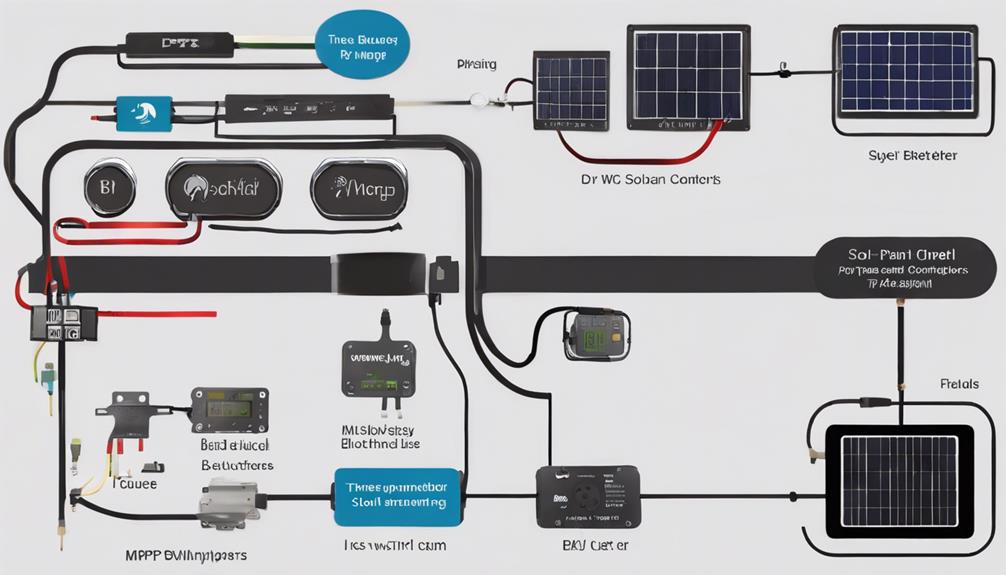
- PV modules/panels: Contain interconnected PV cells that generate DC electricity.
- Mounting and racking: Hardware that secures modules to a roof or ground mount and resists weather loads.
- Inverter or module-level power electronics: Convert DC to AC and may provide monitoring and optimization.
- Electrical protection and monitoring: Fuses, breakers, surge protection, and meters for safety and performance data.
- Battery energy storage system (BESS) — optional: Stores electricity for later use; batteries do not generate electricity.
- Utility connection and meter: For grid-tied systems, interconnection equipment and a meter enable measured flows to and from the grid.
What determines how much electricity a system produces?
- Sunlight availability (solar irradiance): Geographic location, season, and weather are primary drivers of production.
- Orientation and tilt: In the Northern Hemisphere, south-facing fixed arrays often produce the most annual energy, but optimal design depends on the site.
- Shading: Trees, chimneys, nearby structures, or soiling (dirt and debris) can significantly reduce output.
- Temperature: Higher operating temperatures usually reduce PV voltage and can lower real-world output compared with nameplate ratings.
- System size and component efficiency: Rated module power, inverter efficiency, wiring losses, and the system’s performance ratio determine delivered energy.
- Household demand and usage timing: When your home consumes electricity relative to when the system produces affects how much utility electricity you displace.
What happens to unused electricity?
Generated electricity can be used immediately in the home, stored in a battery if the system includes one, or exported to the utility. How exported electricity is valued depends on local policies—net metering, net billing, and other export-compensation programs differ by utility and state. These arrangements may provide bill credits rather than cash payments and vary in how and when they apply.
PV panels versus solar-thermal collectors
Solar PV panels produce electricity. Solar-thermal collectors capture heat for water or space heating. They are different technologies with different components and performance characteristics and should not be conflated.
Benefits and limitations
- Benefits: Can reduce grid electricity purchases, lower a home’s reliance on utility power, and provide predictable generation during sunny periods.
- Limitations: Output is variable (time of day, weather, season), installation requires upfront cost and site suitability, and a standard grid-tied system usually won’t provide backup power during outages unless paired with storage and appropriate controls.
- Environmental note: PV systems produce electricity without on-site combustion, but manufacturing, transport, installation, maintenance, and end-of-life handling have environmental impacts.
Is DIY installation appropriate?
Installing a PV array involves structural work, roof penetrations, high-voltage electrical connections, permitting, and utility interconnection. Professional design and installation are generally advisable to meet electrical and building codes, preserve product warranties, and ensure safety. Avoid performing high-voltage or roof work unless you are a qualified, licensed installer.
Costs, incentives, and evaluating proposals
System performance and economic outcomes depend on local solar resources, utility rates, system size, ownership or financing method, and export compensation rules. Use multiple local quotes that show expected kW capacity and annual kWh production for your site rather than national cost averages.
Time-sensitive incentives can change. As of August 14, 2026, the IRS states that the federal Residential Clean Energy Credit is not available for qualifying residential clean-energy expenditures made after December 31, 2025. Always verify current federal, state, and local incentives and consult a qualified tax professional for eligibility and tax advice.
Conclusion
Solar photovoltaic systems can meaningfully reduce the electricity you buy from the grid, but outcomes depend on site-specific factors, system design, utility policies, and how you use electricity. Start with a site assessment, get multiple qualified proposals, and confirm permitting, interconnection, and incentive details before moving forward.