TL;DR: Photovoltaic (PV) panels turn sunlight into direct current (DC) at a semiconductor junction; an inverter converts that DC to usable alternating current (AC). This article explains the basic physics, main components, performance factors, common consumer questions, and current technology trends (sources dated in text).
Quick summary
PV (photovoltaic) systems convert sunlight into electricity using semiconductor solar cells. You’ll learn how a cell makes current, what a full rooftop or ground‑mounted system includes, realistic lifetime and performance expectations, how modern panel types differ, and where emerging technologies stand (sources: DOE, NREL, SEIA, Fraunhofer — dates noted below).
How PV actually works (simple physics)
At the heart of a PV cell is a semiconductor p–n junction. When photons from sunlight hit the cell they can knock electrons loose; the junction and metal contacts guide those electrons into an electrical current (DC). That DC is collected from many cells wired in a module (panel) and routed to the inverter and building or grid. For a consumer explanation, think “light frees electrons → flow is captured → inverter makes it usable at home.” (U.S. Department of Energy: How does solar work?)
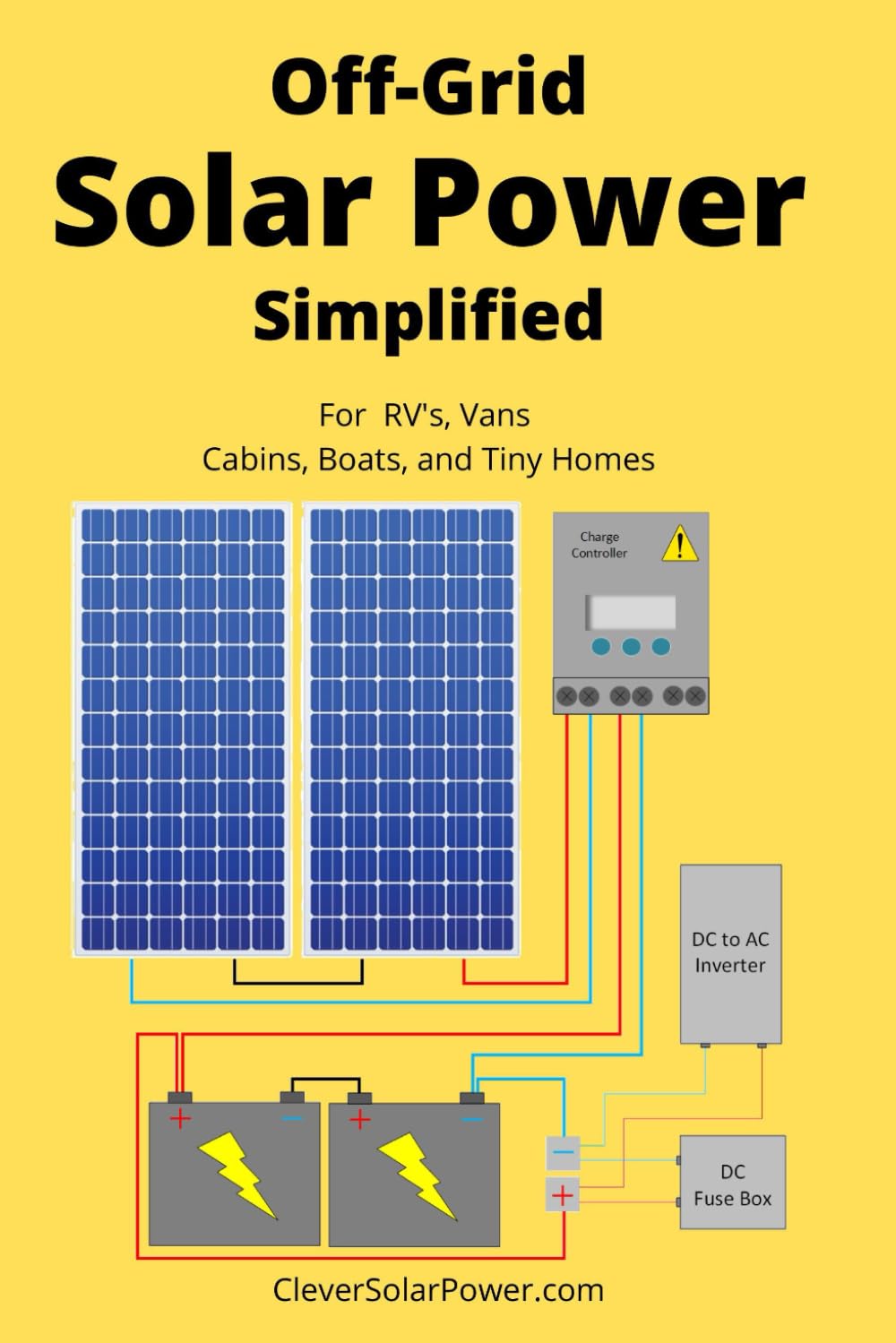
PV cell + wiring → Module / Panel → Inverter (MPPT + DC→AC) → Meter / Controls → Home & Grid
Alt text: Text diagram showing PV cell to module to inverter to meter to home and grid.
Main system components and what they do
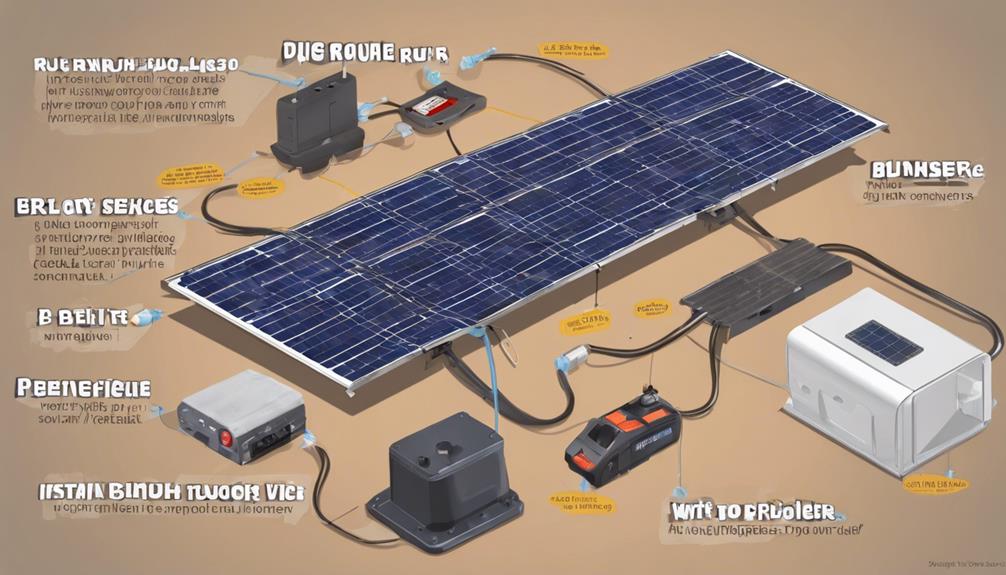
- Solar panels (modules): Collections of cells packaged for outdoors. They produce DC electricity and are rated by nameplate power (W). Consumer implication: panels are low‑maintenance but degrade slowly over time.
- Inverter(s): Convert DC → AC and often perform MPPT (maximum power point tracking). Choices include string/central inverters (cost effective) and microinverters or power optimizers (better per‑panel performance under shading) — pick based on shading, roof layout and budget (DOE inverter guidance).
- Balance of System (BOS): Racking, wiring, combiner boxes, meters, safety devices and monitoring. These are required for safe, code‑compliant installation.
- Optional battery storage: Stores excess energy for nighttime or backup. Adds cost and some maintenance but can increase self‑consumption.
(System breakdown and roles summarized from DOE system design guidance.) https://www.energy.gov/…
Key factors that affect performance
- Irradiance & angle: More direct sun → more power. Tilt and orientation affect annual yield.
- Temperature: Higher cell temperature reduces output; module nameplate power is measured at Standard Test Conditions (STC) and real‑world production is often lower.
- Shading and soiling: Even partial shading can reduce string inverter output; microinverters or optimizers mitigate this.
- Degradation: Modules slowly lose output year‑to‑year; typical field degradation rates are often ~0.3–0.8% per year, but exact numbers vary by technology and climate (see lifetime section).
Types of panels and what they mean for consumers
- Monocrystalline / polycrystalline: Common silicon panels; mono typically has higher efficiency and price.
- PERC, TOPCon, HJT: Process improvements in silicon cells that raise efficiencies and lower degradation versus older designs.
- Bifacial: Generates electricity from both faces when there is reflective ground or a light‑colored surface beneath.
- Tandem / perovskite‑silicon: Emerging approach layering a perovskite cell over silicon to exceed single‑junction limits. Tandem cells show strong lab and pilot results but require more field validation before broad commercial rollout (see NREL and Fraunhofer pilot work; example: Fraunhofer/Ford Oxford tandem module pilot, 2024).
For high‑efficiency choices today, look for TOPCon or HJT modules from reputable manufacturers; consider bifacial only if your site benefits from reflected light. (See NREL and Fraunhofer notes on tandem and module trends: NREL PV research and Fraunhofer ISE press release, 2024.)
Lifetime, warranties, and realistic expectations
Most modern commercial modules carry 25– to 30‑year power warranties (commonly guaranteeing ~80–90% of rated power at 25 years). Field studies report median degradation rates often in the ~0.3–0.8%/year range, but site and technology matter — check manufacturer datasheets for exact warranty terms and dates (see a 2024 review on module degradation for representative figures).
Inverters typically have shorter lifetimes (often 10–15 years), so budget for replacement or extended warranty. Systems also have small ongoing O&M costs (cleaning, periodic inspections).
Sources: module warranty norms and degradation studies (example review: MDPI, 2024) MDPI, 2024.
Safety, standards, and permitting
Modules and systems are tested to international and national standards (examples: IEC 61215, IEC 61730; UL 61730 in the U.S.) and installations must comply with local electrical code (U.S.: National Electrical Code (NEC) editions apply). Always use a licensed electrician/installer and follow permit requirements for your jurisdiction (DOE system integration guidance).
Reference: DOE system integration and safety guidance energy.gov.
Common misconceptions (short FAQ)
- PV vs solar thermal: PV makes electricity. Solar thermal collects heat for water/heating; they are different technologies.
- Do panels make free electricity? Sunlight is free, but panels, inverters, installation, and maintenance cost money — evaluate payback using local energy prices and incentives.
- Are batteries required? No. Batteries add flexibility and backup, but many grid‑tied systems run without storage.
Where to learn more (authoritative resources)
- DOE — “How does solar work?” and system design pages (U.S. Department of Energy).
- NREL — PV research, degradation and tandem roadmaps (National Renewable Energy Laboratory) NREL PV.
- SEIA — Solar Market Insight: 2025 Year‑in‑Review (market context, U.S.) SEIA 2025.
- Fraunhofer ISE — reports on pilot tandem modules and technology trends (example 2024 release) Fraunhofer, 2024.
Conclusion & next steps for homeowners
If you’re considering solar: get an on‑site assessment, compare multiple installers and warranties, ask about inverter type and expected maintenance, and check current incentives and net‑metering rules (cite local utility and the SEIA 2025 report for U.S. context). For technical decisions, consult product datasheets and a licensed installer.
Disclaimer: This article is general information, not electrical advice. For installations, consult a licensed electrician/installer and check local code and incentives (see DOE and local NEC guidance).
Selected references: U.S. Department of Energy (How does solar work? / system design pages); NREL (PV research and tandem roadmap); SEIA (Solar Market Insight, 2025 Year‑in‑Review); Fraunhofer ISE press release (2024); MDPI review on module degradation (2024).