Introduction
Solar energy turns sunlight into usable electricity and heat through two main approaches: photovoltaics (PV), which convert photons directly into electric current, and concentrating solar power (CSP), which concentrates sunlight to make heat for turbines or thermal storage. This primer explains the basic physics, the main system components, and practical considerations for homeowners, developers, and curious readers.
Two main ways of harvesting the sun
Photovoltaics (PV)
Photovoltaics use semiconductor materials (most commonly silicon) to convert photons into direct current (DC) electricity via the photovoltaic effect. A PV cell has a p–n junction that creates an internal electric field; when sunlight frees electrons, that field directs them into an external circuit so current flows. Cells are assembled into modules (panels) and mounted on roofs or in ground arrays. Modern commercial silicon modules typically have efficiencies in the low‑ to mid‑20% range, while advanced and laboratory cells can reach higher efficiencies (NREL research).
Concentrating solar power (CSP)
CSP plants use mirrors or lenses to focus sunlight onto a receiver that heats a working fluid. That heat drives a conventional heat engine (usually a steam turbine) or is stored in thermal media such as molten salt for dispatchable generation. CSP is typically used at utility scale where large, sunny flat sites are available, and it complements PV when long‑duration thermal storage is needed.
How a typical PV system produces usable electricity (step by step)
- Sunlight (photons) hits PV panels and is converted into DC electricity inside cells.
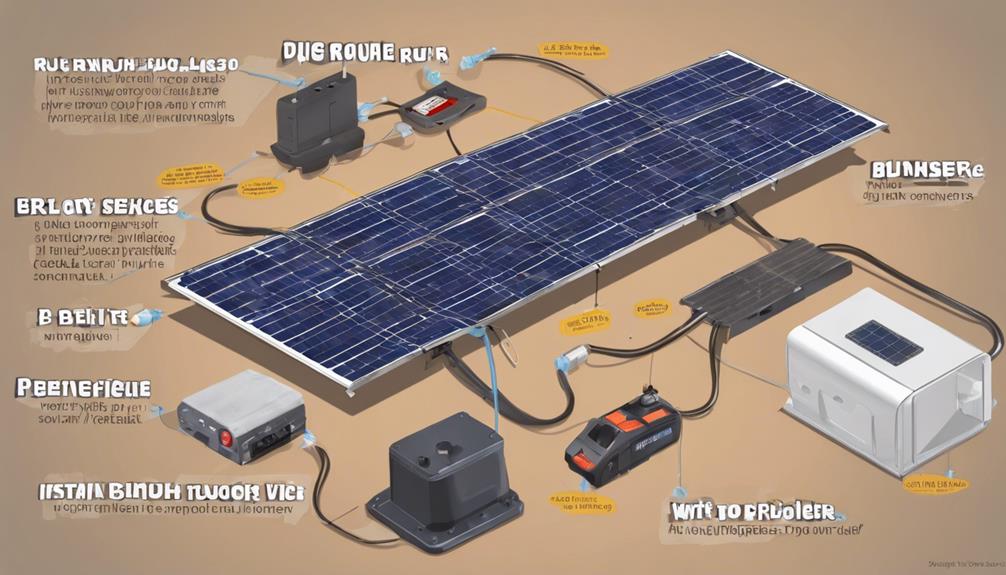
- DC output from panels is combined and routed to an inverter. The inverter performs Maximum Power Point Tracking (MPPT) to get the most energy from the array and converts DC to AC for household use.
- AC electricity feeds home circuits and/or the grid. A meter tracks flow to enable net metering or feed‑in arrangements where applicable.
- If the system includes batteries, surplus energy charges the Battery Energy Storage System (BESS) for later use; hybrid inverters or dedicated battery inverters manage charging and discharging.
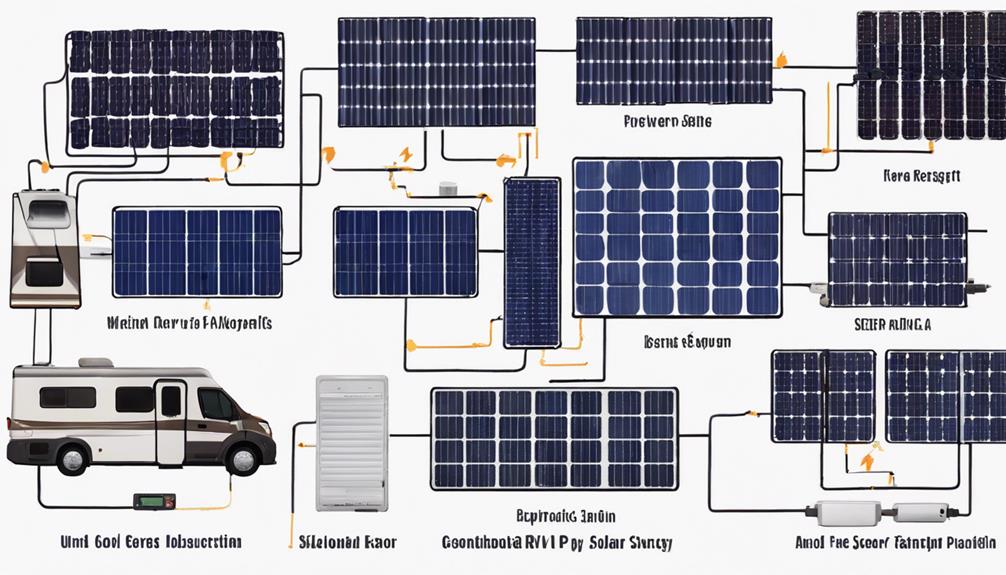
Systems are typically grid‑tied (operate with the utility, shutting down if the grid goes down unless paired with backup), off‑grid (fully independent with enough storage and controls), or hybrid (grid connection plus batteries and smarter energy management).
Energy storage and batteries: why and how
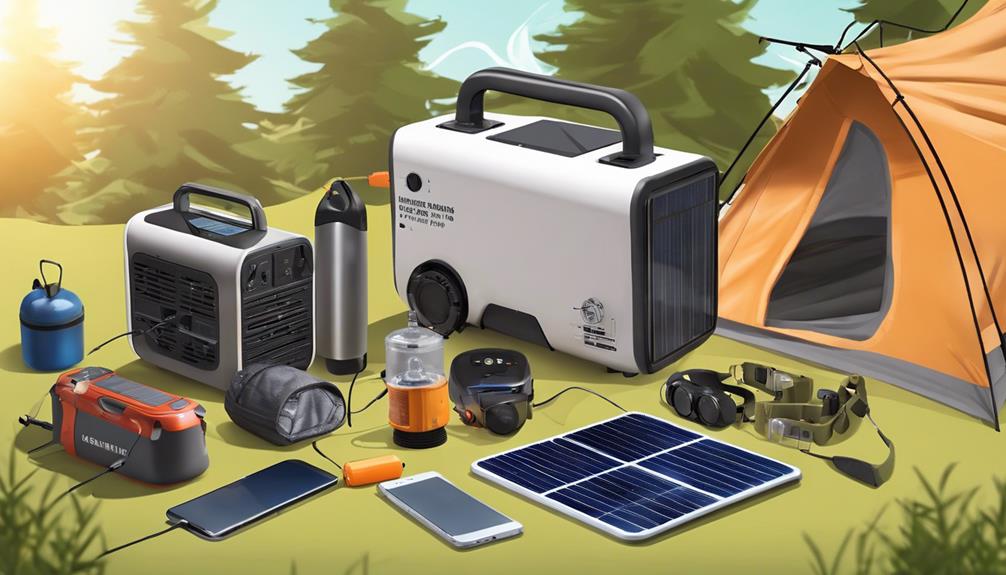
Batteries store surplus solar power for evening use, backup during outages, or to shift consumption for economic benefit. Residential and many grid projects use lithium‑ion chemistries; LiFePO4 (LFP) is increasingly common for homes because of safety, long cycle life, and cost trends. Important storage attributes include round‑trip efficiency (how much energy you get back), usable capacity, cycle life, and degradation. There is no universal battery count or size—storage is sized to match energy needs, system output, and budget.
Performance, lifetime, and what affects output
- Solar irradiance (sunlight intensity), panel orientation and tilt, shading, and local climate determine how much energy a system produces.
- Panels perform better when cool; high temperatures reduce output per watt of sunlight.
- Degradation: most modules come with 25– to 30‑year performance warranties and often degrade around 0.3–0.8% per year, depending on product and conditions.
- Regular maintenance — cleaning heavy soiling, inspecting mounts and wiring — helps preserve output.
Environmental and practical considerations
Solar generation has much lower lifecycle greenhouse‑gas emissions than fossil fuels, but manufacturing, transport, and end‑of‑life recycling matter. Many manufacturers and programs now focus on module recycling and material recovery. Siting decisions should weigh shading, roof condition, local permitting, and available incentives, which strongly affect project economics and payback.
Quick FAQ / Myth‑busting
Do PV panels collect protons or release particles?
Myth: PVs collect protons. Fact: PV cells convert photons into electron flow; protons (nuclei of hydrogen) are not mobilized or collected. The electric output is a flow of electrons in a circuit controlled by semiconductor junctions (DOE).
Is there a fixed number of batteries a system needs?
No. Battery count and capacity depend on your energy use, how much solar you generate, desired backup duration, and budget. A designer calculates storage in kilowatt‑hours (kWh) required for the intended application.
Is solar a waste of money?
Solar economics vary by location, retail electricity rates, system cost, incentives, and financing. Levelized costs have fallen sharply; many homeowners see attractive paybacks, but results are site‑specific. Use a local production and cost estimate to evaluate your situation.
Technical deep dive (for advanced readers)
Key components and terms: MPPT (Maximum Power Point Tracking) inverts variable DC to stable AC; inverter types include string, micro‑inverters (panel‑level), and hybrid inverters for battery integration. Emerging cell technologies include tandem and perovskite architectures that aim to exceed single‑junction silicon limits. Capacity (kW) measures instantaneous power; energy (kWh) measures delivered work over time; capacity factor reflects average output relative to nameplate capacity and depends on location and system design.
Further reading and resources
- U.S. Department of Energy — How Does Solar Work? (DOE)
- NREL — Photovoltaic research and efficiency charts (NREL)
- IEA / IEA‑PVPS — Snapshot reports on global PV deployment (IEA PVPS)
- NREL / SAM — Concentrating Solar Power resources
Disclaimer: This article is for general information only. For system design, safety, and installation do not attempt electrical work yourself—hire a licensed installer or qualified electrician.
What to do next
If you’re considering solar: get a site assessment from a reputable installer, use an online production estimator for your location (for example PV production tools provided by national labs), and compare quotes that include warranties, expected production, and any available incentives.
Suggested images / captions:
- PV cell diagram — alt text: “Diagram of a photovoltaic cell showing photons freeing electrons at a p–n junction and electron flow to a circuit.”
- System block diagram — alt text: “Panels produce DC → inverter with MPPT converts to AC → meter sends/receives to grid or battery storage.”
- Infographic comparing PV vs CSP — alt text: “Comparison of photovoltaic (rooftop and utility PV) and concentrating solar power (large mirror fields with thermal storage).”