Last updated: June 30, 2026. This article explains the difference between solar photovoltaic (PV) systems and solar water‑heating (solar thermal) systems, how they work, what they typically cost, and practical next steps for homeowners. Information is informational only — consult the IRS, your state agency, and a tax professional for your situation.
PV vs. solar water heating — which is right for your home?
Both technologies use sunlight, but they solve different needs:
- Solar photovoltaic (PV): Generates electricity (measured in kW nameplate, energy in kWh/year). PV can offset household electric bills, pair with batteries for backup or time‑of‑use optimization, and can run appliances, HVAC, EV chargers and more.
- Solar water heating (SWH / solar thermal): Uses collectors to heat water directly or via a heat‑transfer fluid. Typically focused on meeting hot‑water demand (showers, laundry, dishwashers) and can be very cost‑effective where hot‑water load and solar access match.
Typical use cases:
- Choose PV if you want broad electricity savings, plan to install EV charging, or want the flexibility to add battery storage.
- Choose solar water heating if your main goal is cutting gas or electric water‑heating bills and you have good unshaded roof or wall exposure; evacuated‑tube collectors are common for colder climates or where higher temperatures are needed.
How PV works (plain language)
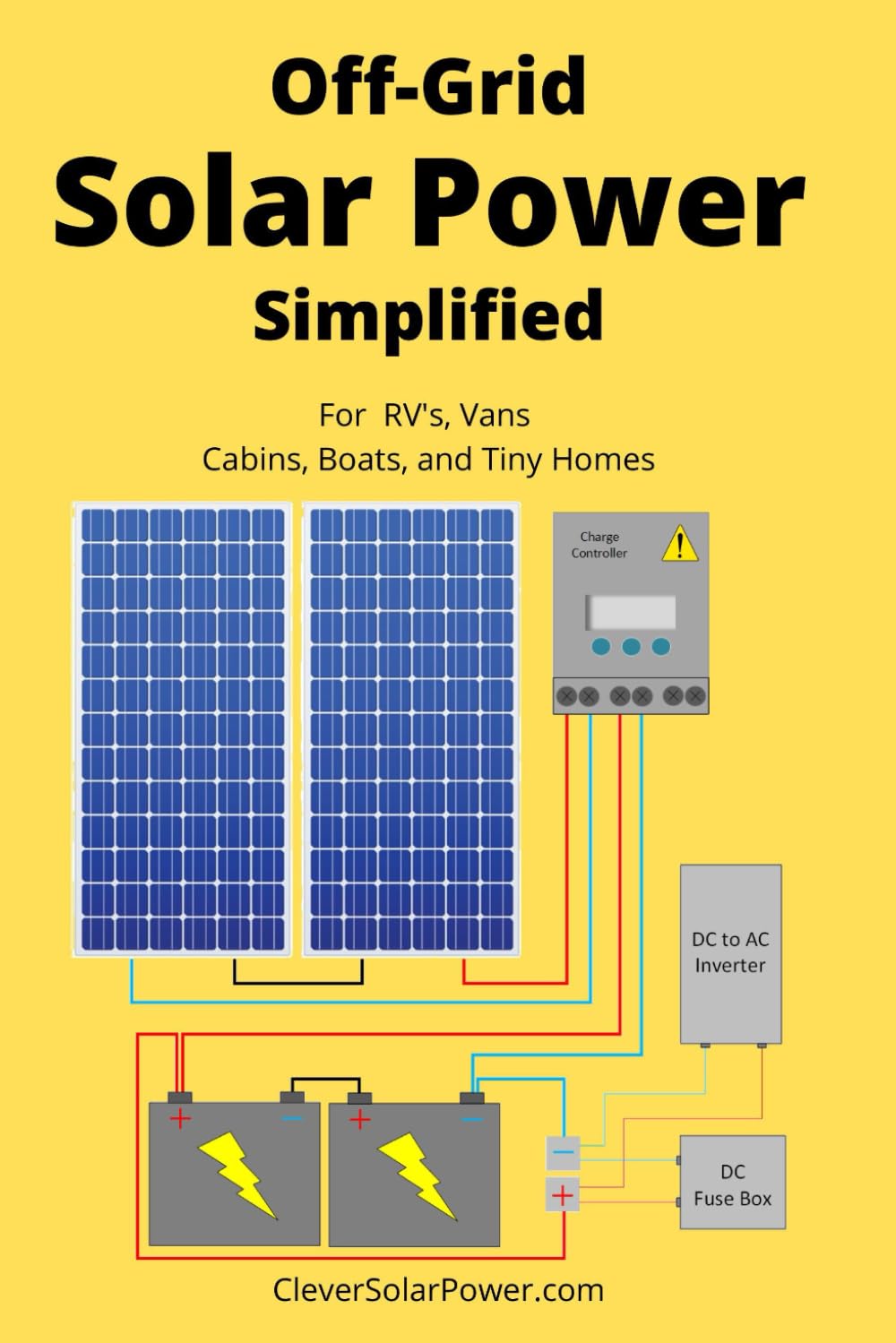
PV panels contain semiconductor cells that convert sunlight into DC electricity. An inverter converts DC to AC for household use. System size is expressed in kilowatts (kW or kWp for nameplate peak). Real energy production is measured in kilowatt‑hours per year (kWh/yr) and depends on local sunlight (insolation), tilt, orientation, shading and system losses.
Useful metrics:
- 1 kW of PV produces roughly 1,000–1,600 kWh/year depending on location — check local production estimates.
- Panels commonly carry 25‑year power warranties; median degradation rates are small (~0.3–0.6%/yr), so many modules still deliver 80–90%+ of rated output after 25 years (see NREL summaries).
- Batteries (home storage) increase self‑consumption and can improve value under time‑of‑use (TOU) rates, but they add cost and complexity.
How solar water heating works
Solar water heaters use flat‑plate or evacuated‑tube collectors to capture heat. Systems are either direct (potable water flows through collectors) or indirect (a heat‑transfer fluid circulates through collectors and a heat exchanger warms potable water). Indirect systems with antifreeze (glycol) are common in freezing climates.
Performance notes:
- Solar water heating can meet a large share of a household’s hot‑water use; the exact fraction depends on collector size, system design, and climate (see U.S. Department of Energy guidance).
- Systems are mechanically simpler than PV but require pumps, controls and occasional maintenance to protect against freezing or stagnation in summer.
Costs, savings and three simple examples
Benchmarks change by market. Recent marketplace data showed U.S. average installed PV prices around $2.58 per watt before incentives — use local quotes for your situation (EnergySage marketplace data).
Illustrative example for a representative household using ~10,000 kWh/year (rounded numbers; illustrative only):
- Estimate system size: 10,000 kWh ÷ 1,300 kWh/kW ≈ 7.7 kW. Round to an 8 kW system.
- Installed cost (approximate): 8,000 W × $2.58/W = $20,640 before incentives.
Value under three compensation scenarios (simplified, excludes incentives and battery cost):
- Full net metering (export credited at retail; retail rate $0.18/kWh): 8 kW → ~10,400 kWh/yr × $0.18 = $1,872/year. Simple payback ≈ 11 years.
- Export at low wholesale credit (export paid $0.04/kWh, 30% self‑consumption): 10,400 kWh × [0.30×$0.18 + 0.70×$0.04] ≈ $853/year. Simple payback ≈ 24 years.
- Battery + TOU optimization (self‑consumption rises to 70%, exported at $0.04): 10,400 kWh × [0.70×$0.18 + 0.30×$0.04] ≈ $1,435/year. Simple payback ≈ 14 years (battery costs extra).
These are first‑order examples to show how net‑metering, export rates and batteries affect payback. Local retail rates, incentives, and solar production determine real ROI.
Incentives and a critical recent change
Federal and local incentives materially affect payback. Important dated note: according to IRS guidance, the expanded federal Residential Clean Energy Credit (Investment Tax Credit variations under recent law) is not available for expenditures after December 31, 2025. Always verify current federal rules at the IRS and check your state/utility programs (DSIRE is the database of state and local incentives). This page is informational only — consult a tax professional for eligibility and filing guidance.
Net‑metering, export credits, and interconnection rules vary by utility and state — ask installers how your utility compensates exported energy and what interconnection steps are required.
Choosing an installer — quick vetting checklist
- Ask for local licensing and proof of insurance.
- Prefer installers with NABCEP‑certified personnel (NABCEP consumer resources) and strong local references.
- Get at least three written proposals that list panel/inverter models, production estimates (kWh/yr), degradations/warranties (product vs. performance), and permitting responsibilities.
- Confirm who handles interconnection, inspections and utility paperwork.
Maintenance, warranties and end‑of‑life
Maintenance is usually minimal: keep panels reasonably clean and free of shade; replace inverters after 10–15 years in many systems; check plumbing and controllers on thermal systems. Panels typically carry 25‑year warranties and degrade slowly; check manufacturer specs and maintain warranty records. For end‑of‑life, recycling options are growing — ask your installer about decommissioning plans.
Practical next steps
- Get a free site assessment from two or three installers who will provide energy production estimates for your roof and a written proposal.
- Check local incentives and interconnection rules (search DSIRE by ZIP code and consult your utility).
- Talk to a tax professional about credits and the effect of the federal credit expiration (post‑2025 expenditures) on your calculations.
- Use marketplace services (e.g., EnergySage) or certified professional directories (NABCEP) to compare installers if you need help vetting vendors.
Short FAQs
- Will panels heat water in winter? PV produces electricity year‑round but output is lower in winter; solar water heating performance depends on collector type and freeze protection—evacuated tubes perform better in cold climates.
- How long do panels last? Modern modules generally keep 80–90% of original output after 25 years; check manufacturer warranties for specifics.
- Will solar raise my home value? Many studies show well‑documented PV systems can increase resale value, but local market conditions matter.
If you’d like, I can produce downloadable checklists for installer interviews, a worksheet that turns your electric bill into an estimated system size, or a concise version focused only on incentives and tax timing.