Quick summary
If you’re exploring solar energy solutions home options, this guide explains practical choices for lighting and cooking, rooftop PV (grid‑tied and solar‑plus‑storage), solar water heating, and passive solar measures. It highlights costs, incentives, resilience tradeoffs, and next steps for U.S. homeowners.
Why consider solar now
Residential solar has become more affordable and accessible: installed PV prices have fallen substantially over the past decade, with median quoted prices in recent U.S. markets around the low dollars per watt (roughly ~$2.50/W prior to incentives in 2024–2025 markets) (U.S. Department of Energy) (https://www.energy.gov/cmei/systems/solar-photovoltaic-system-cost-benchmarks?utm_source=openai). At the same time, federal and state incentives, reducing carbon emissions, and interest in resilience make solar a practical choice for many homeowners.
Overview of residential options
Solar PV (grid‑tied)
How it works: rooftop photovoltaic (PV) panels generate electricity that flows through an inverter into your home’s electrical panel. Grid‑tied systems export excess power to the utility under net‑metering or buyback agreements and import power when solar production is low.
- Pros: lower upfront cost than systems with batteries; simple operation and high reliability.
- Cons: without battery backup, most grid‑tied systems won’t power the home during a grid outage.
Solar + storage (solar‑plus‑storage)
Pairing PV with battery storage provides backup power during outages and greater load-shifting capability. Batteries are sized in kilowatt‑hours (kWh); a common residential reference pairing is a ~5 kW inverter with ~12.5 kWh of battery capacity, though sizes vary by household needs and budget (Solar.com) (https://www.solar.com/learn/can-i-use-solar-panels-without-a-battery/?utm_source=openai).
- When it makes sense: frequent outages, high time‑of‑use rates, or a desire for partial or whole‑home backup.
- Tradeoffs: adds significant upfront cost and requires careful sizing and warranty review.
Off‑grid systems
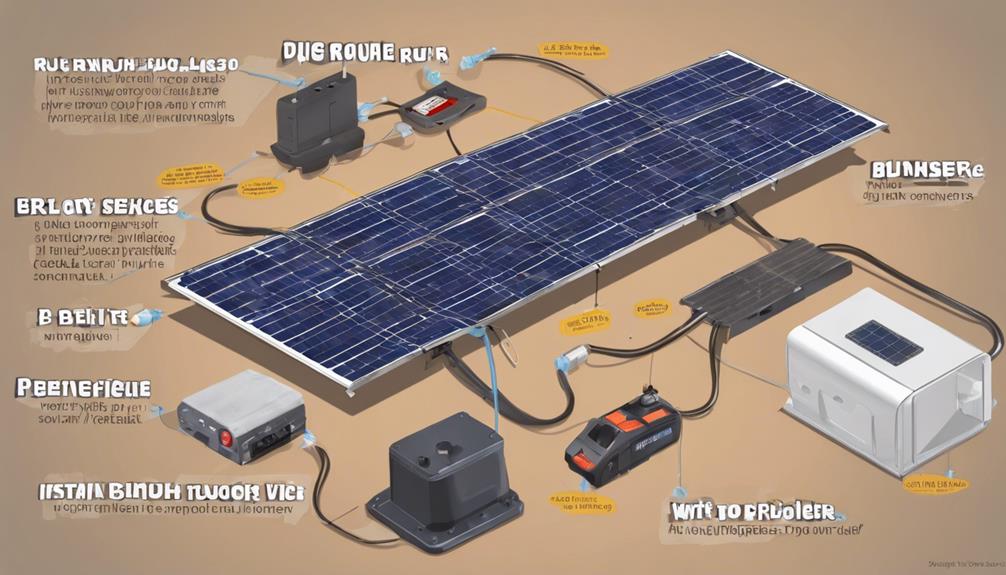
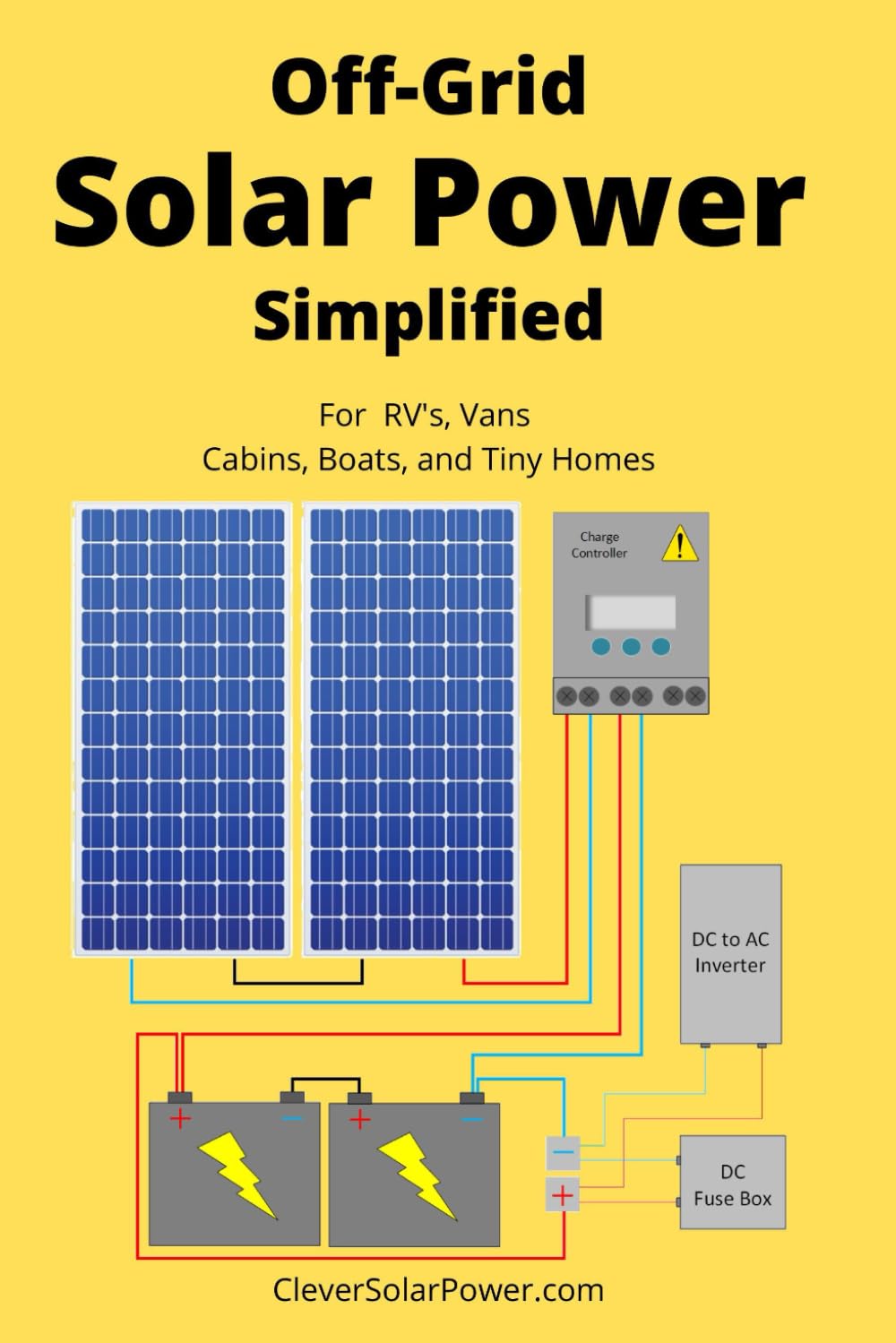
Off‑grid solar systems are sized to meet all household energy needs without a utility connection and require substantial battery storage and often a backup generator. They are appropriate only in specific contexts (remote sites, desire for full independence) because of higher costs and complexity.
Solar water heating and active solar thermal
Solar water heating uses dedicated collectors to heat water directly. Active solar thermal and other heat recovery measures reduce energy used for domestic hot water and space heating; they are different from PV and can be cost‑effective depending on climate and hot water demand (U.S. Department of Energy) (https://www.energy.gov/sites/prod/files/2013/12/f5/sustainable_guide_ch4.pdf?utm_source=openai).
Passive solar design
Passive solar design uses house orientation, glazing, insulation, and thermal mass to reduce heating and cooling needs. Many measures are low‑cost or included in renovations and reduce the size and cost needed for active systems (U.S. Department of Energy) (https://www.energy.gov/sites/default/files/2014/06/f16/basics_secondaryenergyinfobook.pdf?utm_source=openai).
Small systems: solar cookers and solar lighting
Solar cookers/ovens are low‑cost options for direct‑sun cooking and can reduce fuel use and indoor pollution in appropriate contexts, but they are weather dependent, slower than conventional cooking, and require safe handling (Wikipedia; WHO guidance on household air pollution) (https://en.wikipedia.org/wiki/Solar_cooker?utm_source=openai; https://www.who.int/teams/environment-climate-change-and-health/air-quality-energy-and-health/sectoral-interventions/household-air-pollution/strategies?utm_source=openai).
Costs and incentives: how to estimate
Typical installed PV price points vary by state, system size, and installer. Industry studies in 2024–2025 reported median pre‑incentive quoted prices in the low dollars per watt (about $2.50/W), but your local prices may differ (U.S. Department of Energy) (https://www.energy.gov/cmei/systems/solar-photovoltaic-system-cost-benchmarks?utm_source=openai). A 6 kW system at $2.50/W would cost about $15,000 before incentives; incentives, utility rates, and production will affect payback and savings.
The federal Residential Clean Energy Credit (commonly called the ITC) covered 30% of qualified residential solar property placed in service during 2022–2025 per current IRS documentation; rules and amounts after 2025 have been subject to legislative and regulatory changes, so verify eligibility and effective dates before relying on the credit (IRS) (https://www.irs.gov/credits-deductions/residential-clean-energy-credit?utm_source=openai).
Resilience and operation
Grid‑tied PV without battery typically cannot power your home during a grid outage because safety standards prevent exporting power to a downed grid (islanding protection). Adding a certified battery system or an approved backup inverter enables limited or whole‑home backup, but costs and runtime depend on battery size and load (Solar.com) (https://www.solar.com/learn/can-i-use-solar-panels-without-a-battery/?utm_source=openai).
Maintenance is generally low: periodic cleaning, inverter checks, and roof/attachment inspections. Batteries have separate warranties and expected replacement timelines.
Decision checklist
- Roof condition and age: replace or repair before installing panels.
- Orientation and shading: request a shading analysis and production estimate.
- Local rules and net‑metering: check your state/utility policies.
- Estimate energy use and realistic system size: consider future EVs or heat pumps.
- Installer vetting: get multiple quotes, check licenses, insurance, and references.
- Incentives: research federal, state, and local incentives and confirm tax credit eligibility with the IRS or a tax professional (https://www.irs.gov/credits-deductions/residential-clean-energy-credit?utm_source=openai).
Next steps
Get three written quotes, request a site shading and production analysis, check state/local incentives, and consult a licensed installer. For tax questions or to confirm eligibility for the Residential Clean Energy Credit, consult the IRS guidance and a tax professional (https://www.irs.gov/credits-deductions/residential-clean-energy-credit?utm_source=openai).
Quick FAQ
Will solar eliminate my electric bill? It can significantly reduce bills but not necessarily eliminate them—savings depend on system size, local rates, and net‑metering rules. (U.S. Department of Energy) (https://www.energy.gov/cmei/systems/solar-photovoltaic-system-cost-benchmarks?utm_source=openai)
Do I need a battery to run during outages? Yes—most grid‑tied systems without batteries cannot power your home during outages (Solar.com) (https://www.solar.com/learn/can-i-use-solar-panels-without-a-battery/?utm_source=openai).
Call to action: Start by requesting three quotes and a shading analysis; also check state and federal incentives that apply to your installation date. Consult a licensed installer and a tax professional before making financial decisions.
Disclaimer: This article provides general information and does not constitute tax, financial, or legal advice. Verify current incentive rules (IRS) and consult licensed professionals for personalized recommendations (https://www.irs.gov/credits-deductions/residential-clean-energy-credit?utm_source=openai).