Quick takeaways (as of June 30, 2026)
- Residential solar is materially cheaper than a decade ago: typical U.S. installed costs (pre-incentive) are about $2.50–$3.50 per watt. (energyranked, industry reports)
- The federal Residential Clean Energy Credit (Section 25D) will not apply to expenditures made after December 31, 2025 — installations in 2026 cannot claim this credit. (See IRS guidance: irs.gov.)
- DIY is fine for small off-grid or accessory projects and certified kits; full grid-tied rooftop systems are usually best left to licensed professionals because of permits, interconnection and safety rules.
Intro: solar panels cheaper — what that means for your home
Solar panel energy is cheaper now than many homeowners realize. Falling module prices, technology gains, and better inverters have driven down costs in the last decade. This article explains typical prices in 2025–2026, what changed with federal incentives, whether DIY makes sense, and practical next steps for homeowners (data current as of June 30, 2026).
How much will a system cost?
U.S. residential installed-cost averages (pre-incentive) have clustered around $2.50–$3.50 per watt in 2025–2026, though prices vary by state, roof complexity, and installer. Using that range, sample pre-incentive system prices:
- 6 kW system: $15,000–$21,000
- 8 kW system: $20,000–$28,000
- 12 kW system: $30,000–$42,000
These are ballpark figures. Your net cost after state/local incentives, rebates, and utility programs may be lower. Ask installers for an itemized quote (module cost, inverter, racking, labor, permits, and interconnection fees) so you can compare apples to apples.
Why prices have fallen
Several supply- and demand-side trends have reduced costs:
- Module manufacturing scale and improved cell technologies cut per-watt module costs; many trackers reported module spot prices well under $0.10–$0.30/W in 2024–2025. (See IRENA/IEA market analyses.)
- Inverter and BOS (balance-of-system) innovations, plus more efficient project design, lowered overall system cost.
- Utility-scale and distributed PV benefit from declining LCOE (levelized cost of energy), keeping solar competitive for new generation. (See IRENA and Lazard LCOE reports.)
- In the U.S., however, soft costs — permitting, customer acquisition, labor and interconnection — remain a large share of the residential price. Reducing soft costs is the main way to bring homeowner prices down further. (U.S. DOE/NREL analysis.)
What changed for incentives
Important federal policy update: the IRS has said the Residential Clean Energy Credit (commonly called the Section 25D tax credit) will not apply to expenditures made after December 31, 2025. That means homeowners installing in 2026 generally cannot claim that credit for post‑2025 spending. Always verify with a tax professional and check the IRS FAQ for the latest guidance: irs.gov.
State and local incentives still vary widely. Use a local incentive finder like DSIRE or your state energy office to see rebates, property tax exemptions, or performance-based incentives.
DIY vs professional installation
Can you save by going DIY? It depends.
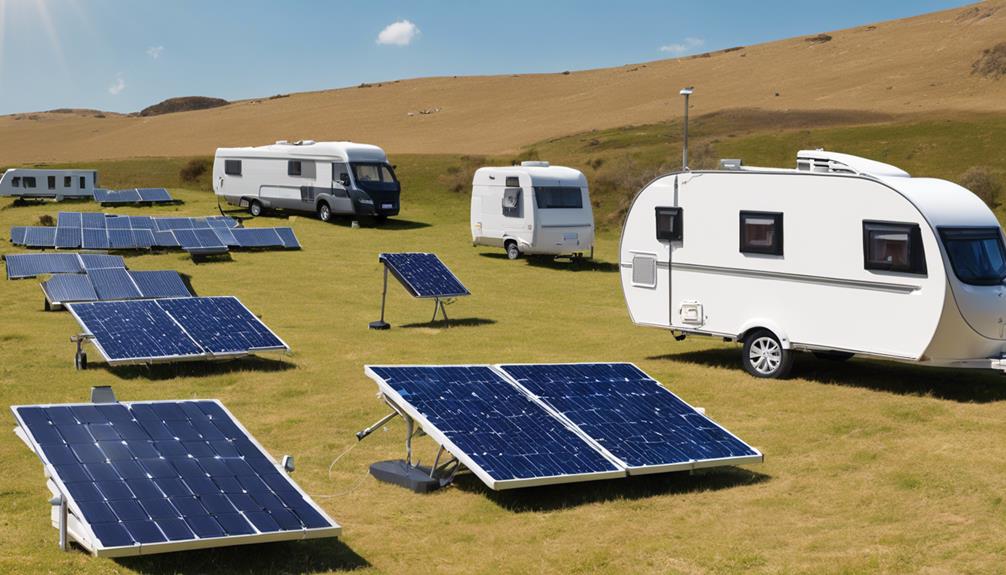
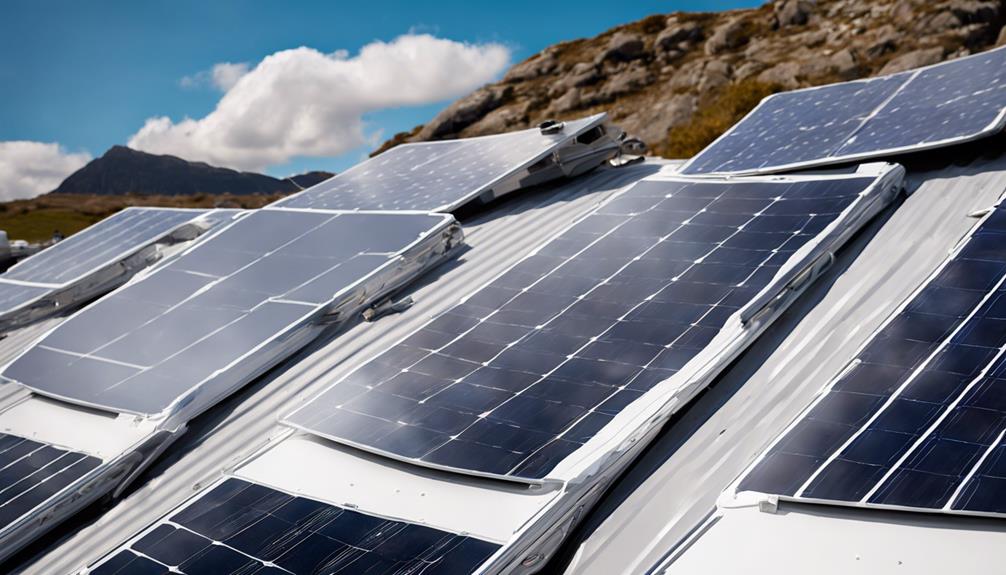
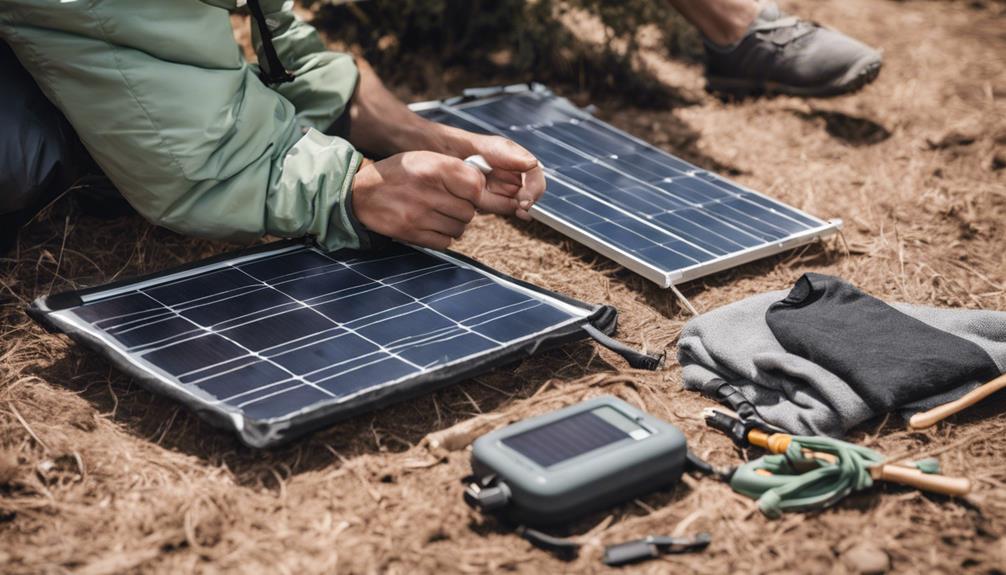
- Reasonable DIY projects: small off-grid systems, RV/boat systems, shed power, and some pre-packaged kits using certified components.
- Not recommended DIY: full rooftop grid-tied systems in most U.S. jurisdictions. Regulations frequently require permits, licensed electricians, code-compliant rapid-shutdown devices, and a utility interconnection agreement. Improper installation risks safety, voided warranties, failed inspections and denial of interconnection.
- Checklist before attempting DIY or hiring an installer: check local Authority Having Jurisdiction (AHJ), confirm utility interconnection rules and net-metering policy, use UL/IEC-listed modules and inverters, and ensure components meet rapid-shutdown and fire-access requirements.
Savings math & payback — realistic caveats
Payback depends on:
- Local retail electricity rates and future rate trajectories.
- System size, orientation, shading, and performance warranties.
- Net metering or export-compensation rules — reduced net-metering credits can lengthen payback.
- Adding batteries increases installed cost and typically extends payback, but may provide resilience value.
To evaluate savings, get at least three itemized quotes and run them through a basic financial comparison (simple payback and lifetime savings). Many utilities and NREL tools can model expected production for your address.
Short technical primer: PV vs solar thermal
Photovoltaic (PV) panels convert sunlight into electricity for your home — the standard rooftop systems most homeowners think of. Solar thermal (solar water heating) uses collectors to heat water directly and can be very efficient for domestic hot water and space heating needs. PV-T hybrid systems exist (combined electricity + heat) but are less common for U.S. residences.
Choose PV if your goal is reducing electric bills or charging batteries. Consider solar thermal if your primary goal is reducing water‑heating fuel and you have high, year‑round hot-water demand. Local climate, roof space and mechanical systems affect the right choice; consult a qualified installer or energy auditor.
What to do next
- Get 3 installer quotes with itemized costs (modules, inverters, BOS, labor, permits, interconnection fees).
- Check state/local incentives and utility net-metering at DSIRE or your state portal.
- Ask about warranties, expected production, and the installer’s licensing and insurance.
- If considering DIY, verify permit and interconnection rules and limit DIY to small, off-grid or kit-based projects.
Sources & further reading
IRS Residential Clean Energy Credit FAQ: irs.gov
SEIA Solar Market Insight Q4 2025: seia.org
IRENA Renewable Power Generation Costs (2024/2025): irena.org
DOE / NREL info on solar technologies and soft costs: energy.gov
Local incentives and rebates: dsireusa.org
Data note: Prices and policy statements in this article are current as of June 30, 2026. The federal Residential Clean Energy Credit will not apply to expenditures made after December 31, 2025, per IRS guidance. This article is informational and not tax or legal advice — consult your tax advisor, local AHJ, or a licensed installer before proceeding.