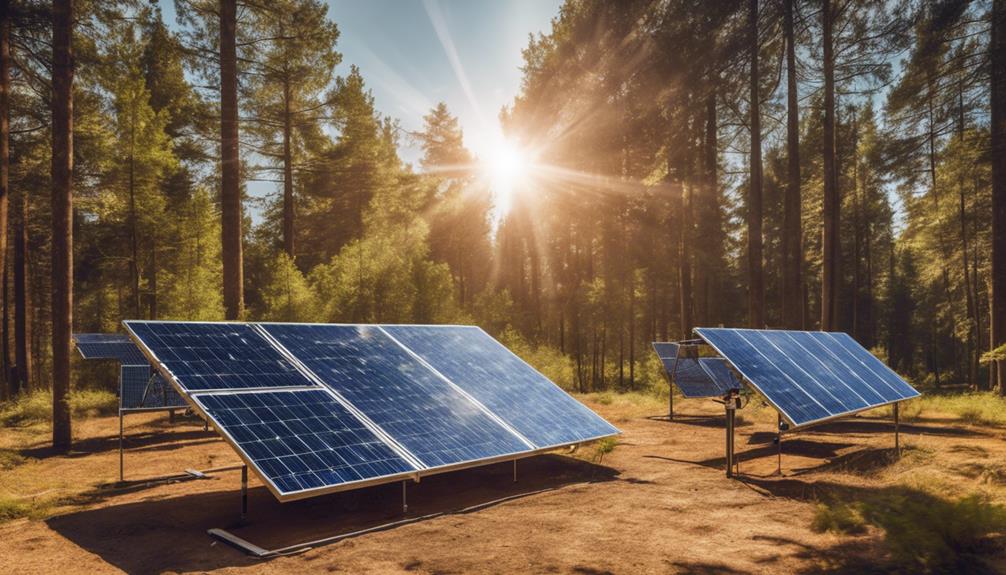
Updated July 2026. This guide explains the practical benefits of residential solar (rooftop solar PV), what a typical system includes, how to check if your roof is suitable, estimated costs, incentives, and sensible next steps.
Why consider home solar?
Solar panels convert sunlight into electricity to lower your utility bills, reduce household carbon emissions, and—when paired with a battery—provide backup power during outages. For many homeowners solar also acts as a hedge against future electricity rate increases and can improve resale value. The U.S. Department of Energy provides a practical community guide that covers these benefits in depth (DOE Solar Power in Your Community).
Quick benefits
- Lower monthly electric bills and potential long‑term savings.
- Reduced greenhouse gas emissions compared with grid electricity.
- Increased resilience with optional battery backup.
- Potential increase in property value and eligibility for local incentives.
- Typical U.S. residential system sizes: 6–10 kW.
- Installed prices (before incentives): commonly about $2.50–$3.50 per watt nationally; final cost varies by location and site conditions (LBNL Tracking the Sun).
- Use NREL’s PVWatts to estimate local production: pvwatts.nrel.gov.
How residential solar works (plain language)
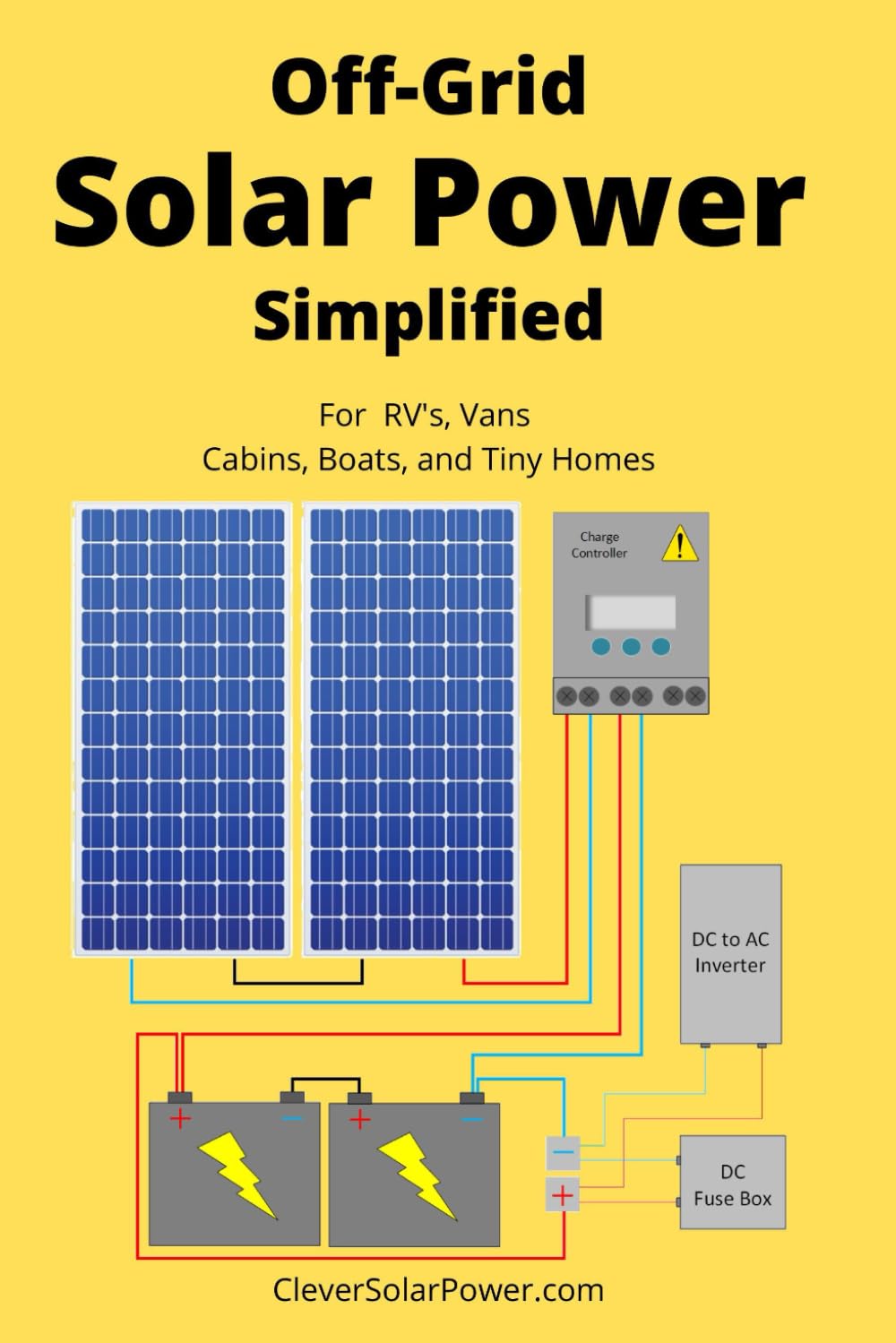
A rooftop solar system is a set of PV modules (solar panels) that produce DC electricity when exposed to sunlight. An inverter converts that DC into AC electricity your home uses. In a grid‑tied system, excess production flows back to the grid and your utility may credit or compensate you for exported energy. If you add batteries, a hybrid (battery‑backed) system stores excess energy for use at night or during outages. Off‑grid systems are sized to meet all loads independently and generally require larger battery banks and backup generators.
What a residential system includes
- PV modules (panels): mounted on roof or ground racks.
- Inverter: string inverter, microinverters, or power optimizers.
- Racking and mounting: roof attachments or ground‑mount frames.
- Balance of System (BOS): wiring, disconnects, conduit, meters, permits, and labor.
- Batteries and gateway (optional): usable kWh capacity and round‑trip efficiency matter for backup performance.
- Monitoring: performance software to track production and detect issues.
Soft costs—permits, interconnection paperwork, labor and sales—are a large share of total installed cost. DIY kits exist for small systems, but full rooftop installations generally require licensed professionals for code compliance and warranties.
Is your roof suitable?
Quick checklist:
- Roof orientation: south‑facing panels typically produce the most in the U.S.; west/east can be effective depending on load profile.
- Shade: shading from trees or nearby buildings reduces output—get a shading analysis.
- Tilt and azimuth: near your latitude tilt is a good starting point; PVWatts lets you model variations (pvwatts.nrel.gov).
- Roof condition and age: replace or repair a roof that needs imminent work before installing panels.
- Structural capacity: installers will assess if racking is safe for your roof framing.
- Local rules: HOA, historic district, and permit requirements can affect installation options.
Costs, incentives, and example math
National average installed prices vary by state and contractor, but recent datasets show a typical range near $2.50–$3.50 per watt before incentives. For example, a 7 kW system at $3.00/W would cost about $21,000 before incentives; after applicable federal and state incentives that figure can fall significantly.
Important incentive note: the IRS Residential Clean Energy Credit page (reviewed July 4, 2026) states the federal credit applied to systems placed in service through Dec. 31, 2025. Verify current tax rules on the IRS page and consult a tax professional before claiming credits: IRS Residential Clean Energy Credit.
Financing options include cash purchase, home improvement loans, solar loans, and third‑party models (PPA/lease in some markets). Prices and payback depend heavily on local electricity rates and incentive availability; use PVWatts and get multiple quotes to compare estimates.
Net metering and grid interaction
Policies for export compensation vary by state and utility. Some utilities offer full retail net energy metering (NEM), while others use export rates, time‑of‑use credits, or alternative credit formulas. Check current state and utility rules at DSIRE: dsireusa.org. The DOE community guide also covers common compensation structures (DOE guide).
DIY vs. professional installation
Pros of professional installers: permit handling, structural and electrical safety, interconnection paperwork, performance guarantees, and warranties. DIY may be feasible for small off‑grid projects or experienced owners, but most homeowners benefit from licensed installers for rooftop grid‑tied systems.
Maintenance & warranties
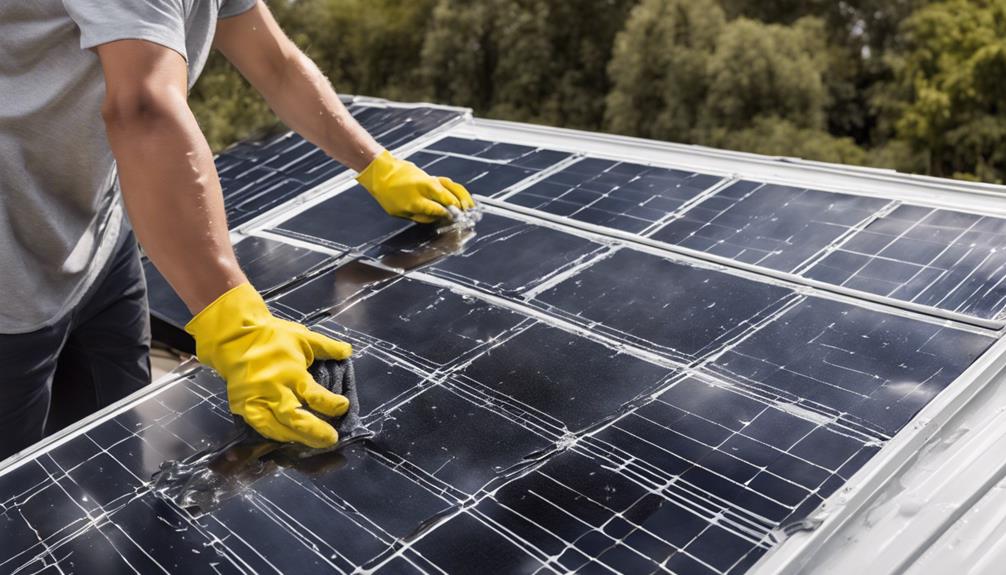
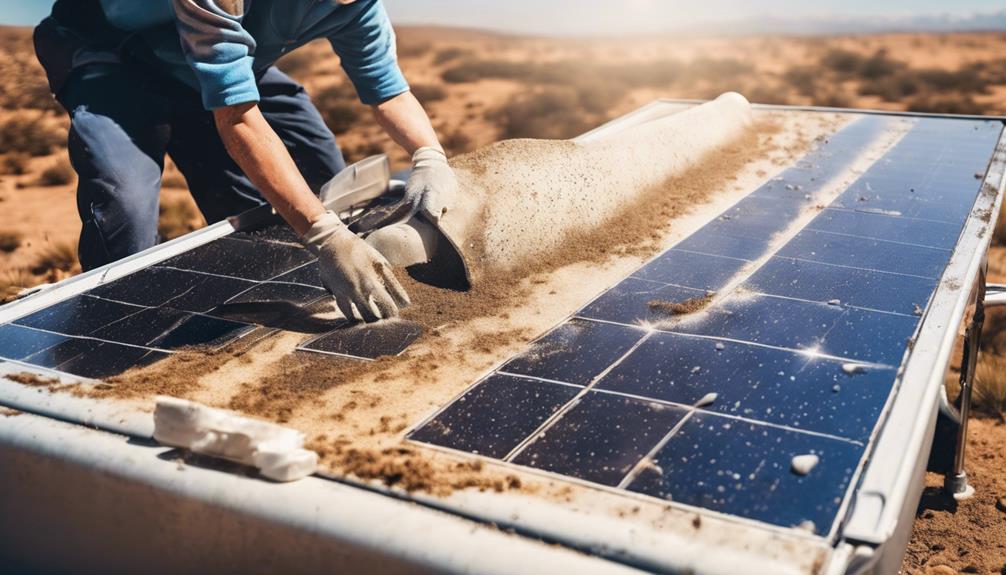
Solar panels commonly carry 25‑year performance warranties; inverters often have shorter warranties (5–15 years) and may require replacement during the system lifetime. Batteries have separate warranties measured in usable kWh cycles. Keep panels reasonably clean, monitor production with the system portal, and schedule periodic inspections.
How to check local rules (quick)
- Search DSIRE for state/utility incentives: dsireusa.org.
- Call your utility to confirm interconnection and export compensation rules.
- Run a PVWatts estimate for expected annual production: pvwatts.nrel.gov.
- Get at least three written quotes from licensed installers and consult a tax professional about incentives and credits.
Common misconceptions
- “Solar never works in cloudy places” — solar still produces on cloudy days; production scales with irradiance and peak sun hours.
- “DIY will always save thousands” — professional permitting, labor, warranties, and interconnection needs often justify hiring a licensed installer.
- “Federal tax credit lasts forever” — read the IRS page for exact in‑service date rules and consult a tax advisor: IRS Residential Clean Energy Credit.
Next steps
- Estimate production with NREL PVWatts: pvwatts.nrel.gov.
- Check local policies and incentives at DSIRE: dsireusa.org.
- Review recent price data from LBNL to set expectations: LBNL Tracking the Sun.
- Request 3 competitive quotes from qualified installers and speak with a tax professional about incentives.
Short FAQ
How long do panels last? Expect useful production for 25+ years; most manufacturers guarantee a percentage of rated output over 25 years.
Will solar eliminate my electric bill? It can significantly reduce it; whether it eliminates the bill depends on system size, home use, local rules, and whether you add storage.
Where can I learn more? Start with NREL PVWatts, DSIRE, the IRS page on the Residential Clean Energy Credit, LBNL market data, and the DOE community guide (links above).
Sources and further reading: IRS Residential Clean Energy Credit (reviewed July 4, 2026) — irs.gov; NREL PVWatts — pvwatts.nrel.gov; DSIRE — dsireusa.org; LBNL Tracking the Sun — emp.lbl.gov; DOE Solar Power in Your Community — energy.gov.
Caveat: Federal and state incentives change. The IRS page linked above is the authoritative source for federal credits—consult it and a tax professional for current eligibility.