One-sentence summary
Solar energy is power from sunlight captured and used directly as heat or converted into electricity; it now plays a major and rapidly growing role in electricity systems worldwide, especially via photovoltaic (PV) panels and, to a lesser extent, concentrating solar technologies.
Intro
Solar energy comes from the Sun and can be harnessed in several ways for heat and electricity. Over the 2010s and 2020s solar installations expanded rapidly: photovoltaic (PV) systems now dominate deployments, costs have fallen sharply, and solar paired with batteries is a leading source of new generation capacity—making solar central to efforts to decarbonize electricity.
How solar energy works
Photovoltaics (PV)
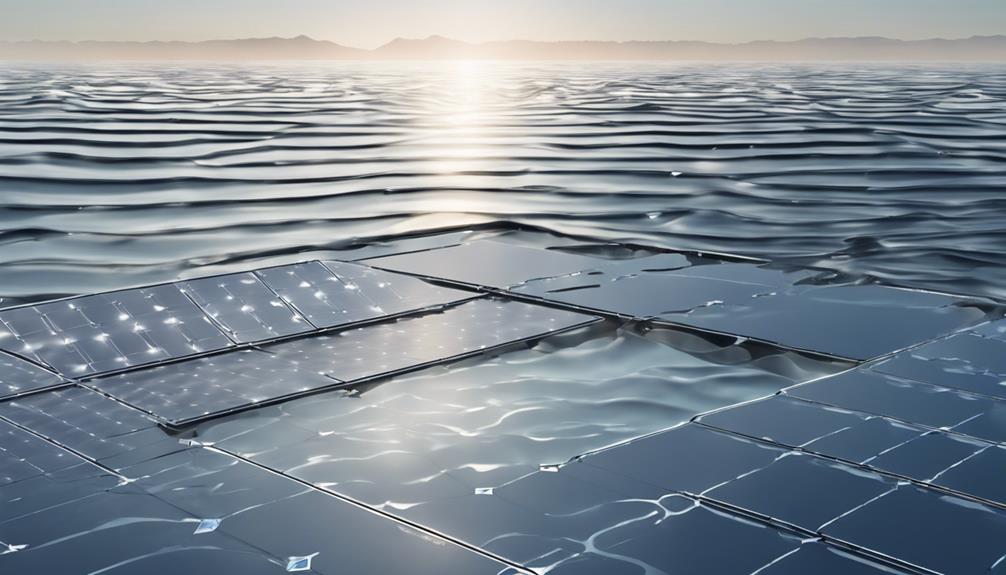
Photovoltaic systems turn sunlight directly into electricity using semiconductor cells. Common PV types include crystalline silicon (the most widespread), thin-film, and newer lab-to-market materials like perovskites. PV is flexible: rooftop systems serve homes and businesses (distributed solar), while utility-scale PV farms supply the grid. PV generates direct current (DC) that an inverter converts to alternating current (AC) for buildings and the grid.
Pros: modular, rapidly declining costs, wide geographic suitability. Limits: output varies with sun and requires land, rooftops, or tracking systems; grid integration and storage are often needed for reliability.
Concentrating solar power (CSP) and solar thermal
CSP (concentrating solar-thermal) uses mirrors to focus sunlight to heat a fluid and drive a turbine or produce steam—similar to conventional thermal power plants but using concentrated sunlight. CSP plants are most economical where direct sunlight (direct normal irradiance) is strong. Solar thermal also refers to lower-temperature systems for hot water and space heating using flat-plate or evacuated-tube collectors.
Pros: CSP can be coupled with thermal storage for dispatchable power; solar thermal is efficient for water and space heating. Limits: CSP is geographically constrained and less widely deployed than PV.
Passive solar and building-scale heating
Passive solar design harnesses building orientation, glazing, insulation, and materials to collect and store heat without mechanical systems. Active solar water heaters use collectors and heat exchangers to deliver hot water. These approaches reduce energy demand and work alongside electric and fossil-fuel heating options.
Solar in the broader energy system
Solar electricity complements other resources and interacts with natural energy flows:
- Wind and much hydropower are ultimately driven by solar heating of the atmosphere and the hydrologic cycle—so in that sense they are indirectly solar-powered.
- Biomass and, over geological time, fossil fuels originate from ancient plant energy captured via photosynthesis (solar-driven), though fossil fuels are stored chemical energy extracted today.
- Exceptions: geothermal energy comes from the Earth’s internal (radiogenic and primordial) heat, and nuclear energy comes from atomic processes—these are not solar-derived. Tidal energy is driven by gravitational forces from the Moon and Sun rather than solar radiation.
Because PV output varies with sunlight, grids increasingly pair solar with batteries, demand management, and complementary generators (wind, hydro, or thermal) to maintain reliability.
Current scale & trends (snapshot)
Global installed solar PV capacity reached the multi-terawatt range in the mid-2020s: roughly 2.2–2.4 terawatts (TW) of PV capacity worldwide by the mid-20200s (international agency estimates, 2024–2025). PV accounts for the majority of new renewable capacity added annually, and solar + storage installations have become a major share of new power builds. In the United States, solar capacity and electricity generation have grown strongly through the early 2020s, with distributed rooftop and utility-scale PV both expanding (U.S. federal energy data and industry reports, 2023–2025).
Note: exact capacity and generation numbers are updated frequently; check the latest IRENA, IEA, EIA, or national industry reports for current figures at publication time.
Quick myth check: “Is everything solar?”
Short answer: mostly—but not entirely. Many energy flows are ultimately driven by the Sun:
- Wind results from solar heating of the atmosphere.
- Evaporation and precipitation in the water cycle (the source of most hydropower) are powered by solar radiation.
- Biomass and so fossil fuels originated from ancient photosynthesis that captured sunlight.
However, geothermal and nuclear energy do not depend on sunlight, and tidal energy is gravitational. So while much of Earth’s surface energy is linked to the Sun, several important energy sources are independent of direct solar input.
Why solar energy matters
- Decarbonization: Solar is a low‑carbon electricity source that helps reduce greenhouse gas emissions when it replaces coal or gas generation.
- Falling costs: Module and system costs have dropped dramatically over the past decade, improving competitiveness.
- Energy security and distributed benefits: Rooftop and community solar can provide local resiliency and economic opportunities.
Common questions (short)
Is wind energy the same as solar?
No—wind converts atmospheric motion into electricity, but that motion is largely driven by solar heating of the atmosphere; the two technologies are distinct but complementary.
Can solar replace fossil fuels right away?
Solar can replace a large share of electricity generation over time, but doing so at scale requires storage, grid upgrades, flexible demand, and other low-carbon resources. Transition timelines depend on policy, investment, and technology deployment rates.
Glossary & image notes
- Photovoltaic (PV): devices that convert photons into electricity.
- Concentrating solar power (CSP): systems that concentrate sunlight to produce heat and drive turbines.
- Direct normal irradiance (DNI): measure of direct sunlight relevant for CSP siting.
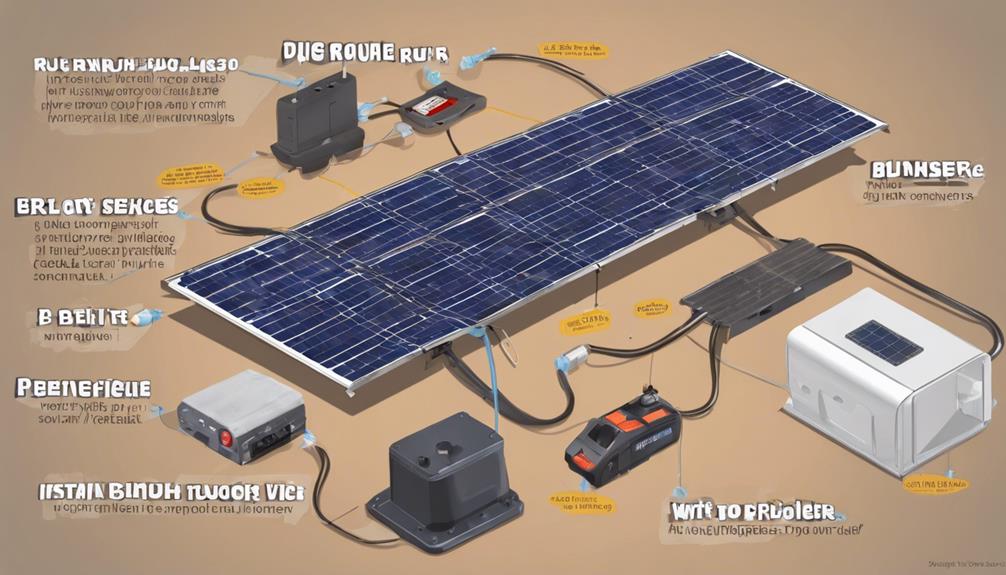
Suggested diagram alt text: “diagram: sunlight hitting PV cells generating DC current, inverter converting to AC, then to grid and battery storage.” Another diagram: “schematic showing Sun → atmosphere → wind and Sun → ocean evaporation → river flow → hydropower (illustrating solar-driven processes).”
Further reading
For up-to-date capacity and generation statistics, consult the latest publications from IRENA, the International Energy Agency (IEA), the U.S. Energy Information Administration (EIA), and national solar industry associations.
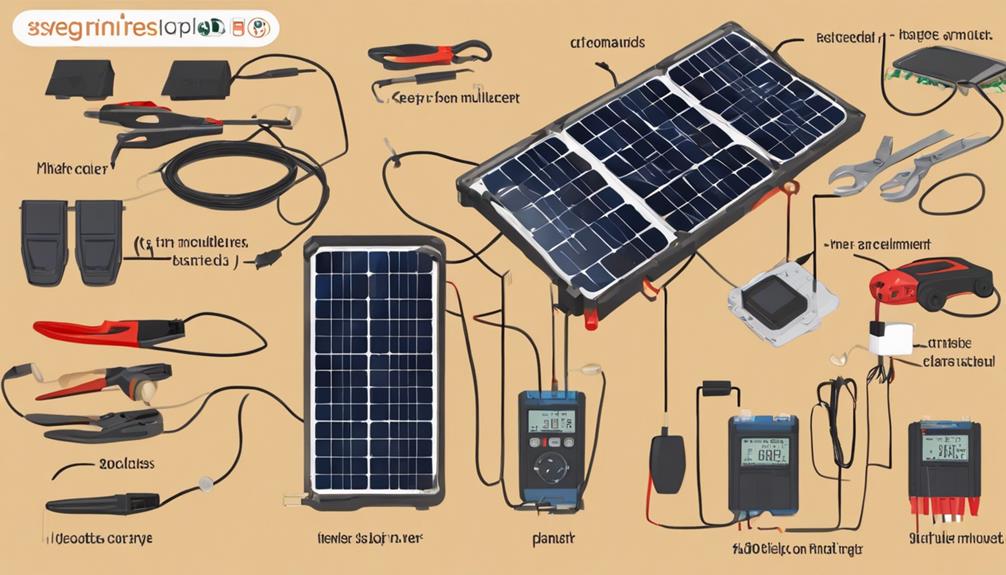
Want a deeper dive? Consider reading focused guides on rooftop installation options, solar + storage systems, and the differences between PV and CSP technologies.