Solar energy is now a mainstream source of electricity. Photovoltaic (PV) panels and concentrating solar power (CSP) systems convert sunlight into usable energy at scales from rooftop systems to multi‑gigawatt solar farms. This article explains how the main solar technologies work, summarizes current deployment and cost trends, and gives practical steps for homeowners, businesses, and community planners considering solar or solar-plus-storage.
Quick facts (short snapshot)
- Global PV capacity: about 2.2 TW cumulative by early 2025 (IEA‑PVPS, Trends 2025).
- PV contribution: PV supplied more than 10% of global electricity in recent reporting (IEA/IEA‑PVPS, 2024–2025).
- Costs: utility‑scale PV LCOE fell substantially between 2010–2024; most analyses show continued cost declines driven by modules, BOS, and financing (IRENA/NREL, 2024–2025).
- Solar‑plus‑storage: rapidly growing as batteries enable shifting, resilience, and higher solar penetration (SEIA storage brief, 2026 Q1).
- End‑of‑life and recycling: panel waste volumes are rising and regulators are issuing guidance and rulemaking (U.S. EPA; IRENA forecasts, 2024–2025).
Key terms (short glossary)
- Solar PV (photovoltaics): semiconductor panels that convert sunlight to DC electricity.
- CSP (concentrating solar power): mirrors/heliostats concentrate sunlight to make heat that drives turbines or thermal storage.
- Solar thermal: systems that capture sunlight as heat for hot water or space heating (not electricity).
- BESS: battery energy storage system (electrochemical storage paired with generation or the grid).
- Distributed generation (DG): local generation sited near consumption — rooftops, carports, community arrays.
- Front‑of‑meter (utility‑scale): large grid‑connected solar farms supplying wholesale electricity.
How solar technologies work
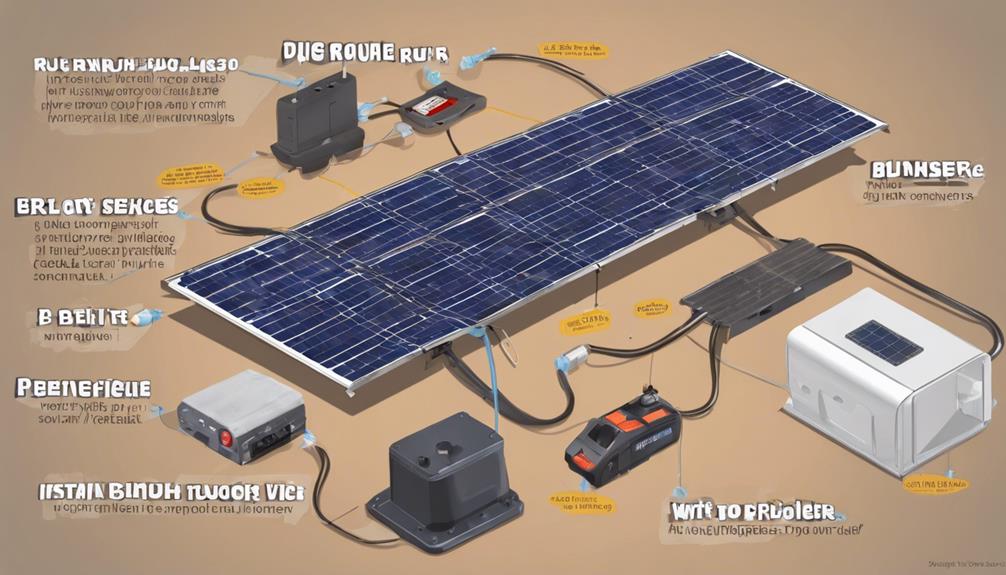
Solar PV converts sunlight directly to electricity using semiconductor cells. Modules produce direct current (DC); in most installations an inverter turns DC into alternating current (AC) for use in buildings or export to the grid. PV works well on rooftops, building‑integrated surfaces, and ground‑mounted arrays.
CSP uses mirrors to focus sunlight to a receiver; the concentrated heat produces steam or drives a heat engine, often paired with thermal storage (molten salt) so electricity can be generated after sunset. CSP is most common in high‑insolation regions and where long‑duration thermal storage is valuable.
Solar thermal systems (solar hot water) capture sunlight as heat for domestic hot water or process heat and are an efficient option when the primary need is heat rather than electricity.
Where and how solar is used today
- Residential rooftops: most common behind‑the‑meter DG for homeowners seeking bill reductions or resilience.
- Commercial and industrial rooftops: lower energy bills, demand charge management, and corporate sustainability goals.
- Community solar: shared arrays that allow renters or people with shaded roofs to subscribe to a local project.
- Utility‑scale farms: ground‑mounted installations that supply large amounts of grid electricity.
- Agrivoltaics: co‑locating panels and crops or grazing to boost land productivity and provide shade benefits.
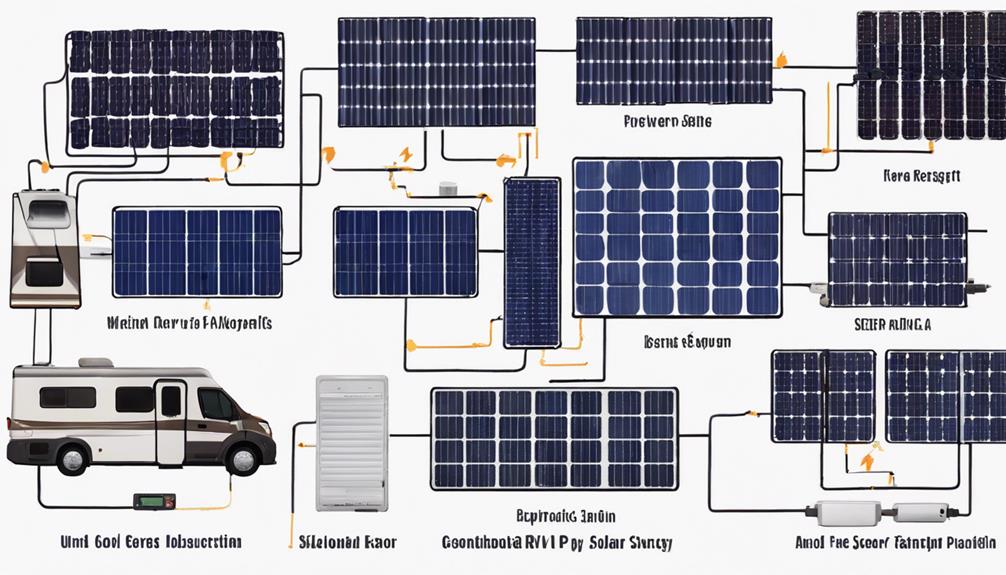
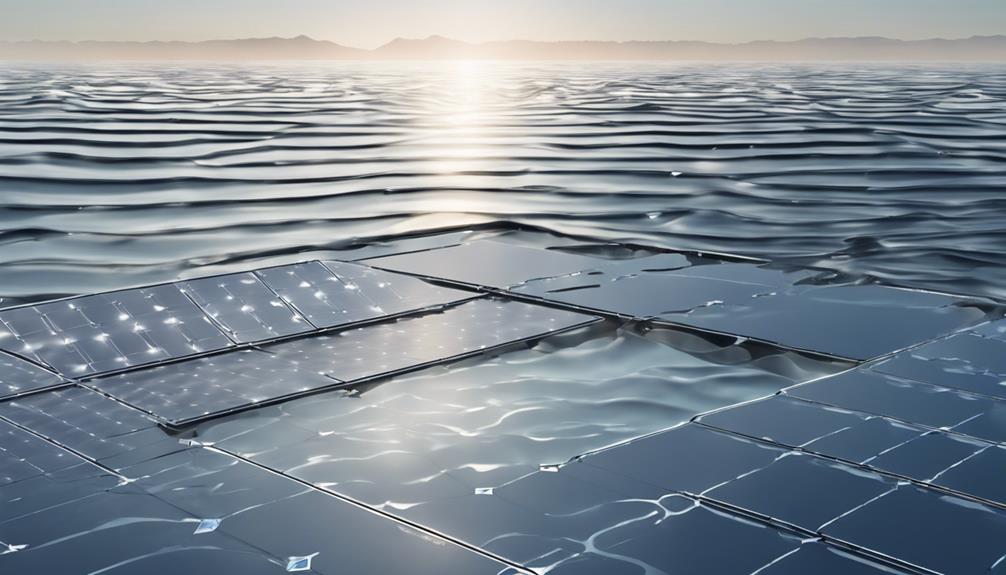
- Specialized uses: floating PV (on reservoirs), carport arrays, and hybrid systems paired with wind or storage.
Costs, economics, and incentives
Costs for PV have fallen sharply over the past decade. Global LCOE analyses from IRENA and national studies (NREL, Lazard) show utility‑scale PV became one of the lowest‑cost sources of new electricity by the mid‑2020s (IRENA, 2024–2025). Key cost components are modules, balance of system (BOS: racking, inverters, wiring), and soft costs (permitting, customer acquisition, interconnection).
For homeowners and businesses, financial outcomes depend on system size, installation cost, local electricity rates, export compensation (net metering or net billing), incentives, and financing terms. Net export compensation varies widely by jurisdiction: some areas still offer full retail net metering while others use time‑varying or reduced credits — always check local utility and state rules (see SEIA market reports for U.S. specifics).
Solar‑plus‑storage and grid integration
Batteries change the value proposition by shifting solar output to evening peak hours, providing backup power, and offering grid services. Solar‑plus‑storage adoption rose quickly in the mid‑2020s as battery costs fell (SEIA storage brief, 2026 Q1). For planners, higher solar shares require attention to grid flexibility, dispatchability, and interconnection planning; system operators and regulators are updating rules to enable greater distributed and utility‑scale solar integration (IEA/IEA‑PVPS).
Siting, environmental, and lifecycle issues
Solar has relatively low lifecycle emissions compared with fossil fuels, but siting decisions matter. Utility‑scale projects should avoid high‑value habitats and consider dual‑use approaches (agrivoltaics) to reduce land‑use impacts. As panels approach end‑of‑life, recycling and responsible disposal are growing priorities. U.S. EPA and international agencies are developing guidance and rulemaking for solar‑panel waste management; follow EPA resources for evolving regulatory requirements (U.S. EPA, 2024–2025).
Practical checklist: homeowners and businesses
- Site assessment: evaluate roof condition, orientation, shading, and structural capacity.
- Get multiple quotes: compare system size (kW), estimated annual production, warranties, and installer credentials.
- Understand export rules: confirm local net metering/net‑billing, time‑of‑use rates, and interconnection requirements.
- Consider storage: for resilience or time‑shifted value, add a BESS sized to your outage needs and economics.
- Review warranties & lifetime: panels commonly have 25‑year performance warranties; inverters and batteries have shorter warranties — factor replacement costs.
- Plan for disposal/recycling: ask installers about end‑of‑life options and manufacturer take‑back programs.
Policy and market outlook — what to watch
Near‑term growth drivers include continued module and BOS cost reductions, supportive procurement (PPAs), tax incentives, and expanding solar‑plus‑storage deployments. Barriers include permitting and interconnection delays, grid upgrade needs, and emerging rules on panel recycling and waste management. Keep an eye on the annual IEA/IEA‑PVPS and SEIA market reports for updated capacity and policy trends.
Key sources and further reading
- IEA‑PVPS Trends 2025 (global PV data and markets): https://iea-pvps.org/
- SEIA Solar Market Insight 2025 Year‑in‑Review (U.S. market): https://seia.org/
- IRENA Renewable Power Generation Costs (2024/2025): https://www.irena.org/
- NREL summaries of PV cost reductions and RD&D: https://research-hub.nrel.gov/
- U.S. EPA guidance on solar‑panel recycling: https://www.epa.gov/
SEO and publication notes
Suggested meta description (110–150 chars): Concise 2025 overview of solar PV, CSP, costs, solar‑plus‑storage, recycling, and practical steps for homeowners and planners. Focus keywords: solar energy, solar panels cost 2025, solar plus storage, solar panel recycling. Alt text examples: “Rooftop solar array on a suburban house, aerial view”; “Schematic: solar PV + battery storage behind the meter”. Include a “last updated” date and refresh quick facts annually with IEA/SEIA/IRENA figures.