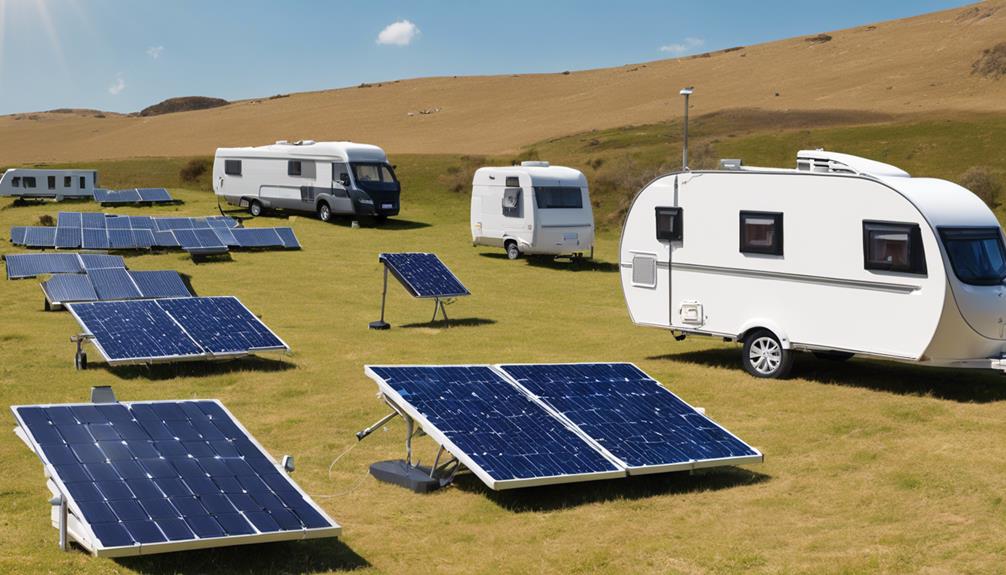
Who this guide is for: homeowners and small commercial decision‑makers who want a clear, actionable overview to evaluate grid‑connected PV options, prepare for installer quotes, and make financing and storage choices.
TL;DR
- PV modules convert sunlight to DC electricity; an inverter converts DC to AC for building use or export.
- Gather 12 months of utility bills, check roof condition/shading, and get at least three site‑specific quotes with modeled annual production.
- Federal Residential Clean Energy Credit (Section 25D) applied at 30% for qualified residential property placed in service from 2022 through December 31, 2025; confirm current federal and state incentives with the IRS, DSIRE, or a tax professional.
1. How solar PV works (short)
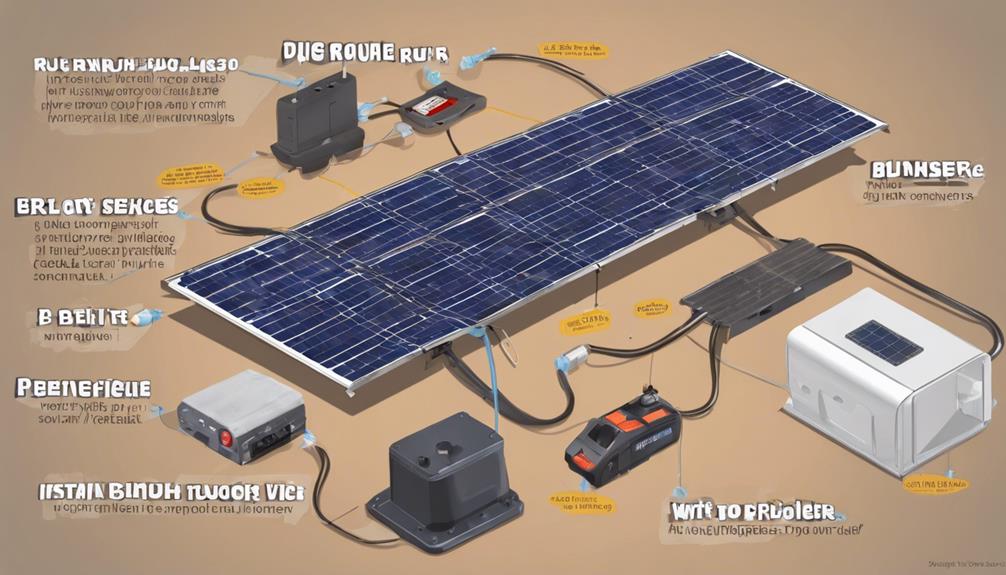
Photovoltaic (PV) modules turn sunlight into direct current (DC) electricity; an inverter converts that DC to alternating current (AC) for your home or to export to the grid. A basic diagram is sunlight → PV cells → DC → inverter → AC → building loads/grid. This is the system core; balance‑of‑system components enable safe, code‑compliant operation.
Quick glossary
- PV module / panel — assembly of solar cells.
- Inverter — central, string, microinverter; provides grid connection and often monitoring.
- BESS — battery energy storage system (solar‑plus‑storage).
- Grid‑tied, off‑grid, hybrid — common system types.
- Net metering / net billing — how utilities compensate exported energy (varies by jurisdiction).
2. Main system components
- PV modules and racking/mounting (roof or ground).
- Inverter(s): central/string inverters (lower cost) versus microinverters or power optimizers (better shade performance and module‑level monitoring).
- Wiring, disconnects, combiner boxes, monitoring hardware (balance of system).
- Optional battery (BESS) and associated controls for backup or time‑shifted use.
- Meter, interconnection equipment, permits and inspection paperwork.
3. System types and who they suit
- Grid‑tied (no battery): lowest cost, best for customers on high retail electric rates who don’t need backup.
- Solar‑plus‑storage (hybrid): higher cost but provides backup and energy shifting; valuable on time‑of‑use (TOU) rates or where export compensation is low.
- Off‑grid: rare for typical homes—requires substantial batteries and a backup generator; used where no reliable grid exists.
- Third‑party ownership (PPA/lease) and community solar: options when rooftop installation isn’t feasible or for renters.
4. Practical planning checklist
- Gather 12 months of utility bills (kWh and rates).
- Check roof age, orientation, tilt, and major shading (trees, nearby buildings).
- Decide whether you want backup power and whether batteries are required.
- Set financing goals (cash, loan, PPA) and acceptable payback horizon.
- Request at least three site‑specific quotes; ask for modeled annual production (using site data and shading analysis).
- Get equipment specs and warranties (modules, inverters, batteries) and written details on who pulls permits and handles interconnection.
- Confirm local interconnection rules, export compensation (net metering vs net billing), and any local incentives via DSIRE or your utility.
5. Costs, incentives & a sample estimate
National market benchmarks in 2025–2026 are roughly $2.50–$3.50 per watt installed before incentives (varies by region and system size). Example (illustrative): a 6 kW system at $3.00/W → $18,000 before incentives. If the system qualified for the federal Residential Clean Energy Credit (Section 25D) at 30% and was placed in service by December 31, 2025, that could reduce the cost by $5,400 (30% of $18,000). Local incentives, export compensation and retail rates materially change the result — do not assume a single payback period. Always label such examples as estimates and verify current incentive rules with the IRS and DSIRE.
6. Policy, interconnection and export compensation
Export compensation differs by state and utility: some utilities still offer full retail net metering, others use net billing, value‑of‑solar, or lower export credits. Policy changes (and grandfathering windows) can significantly affect economics — check your utility tariff and DSIRE for current rules. Interconnection timelines and required equipment vary; installers commonly manage the permitting and interconnection paperwork.
7. Safety, codes & installer credentials
Follow NEC requirements for PV (e.g., Article 690) and use UL‑listed equipment. Hire licensed electricians and installers; check for NABCEP certification and local licensing. Do not attempt to wire grid‑connected systems yourself — unlicensed work can be unsafe and violate codes.
8. Performance, lifetime & end‑of‑life
Expect modern crystalline modules to degrade roughly 0.5–1% per year; useful life typically 25–30+ years. Inverters often need replacement sooner (10–15 years). Recycling infrastructure is growing, but planners should ask installers about end‑of‑life management and responsible disposal options.
9. Quick decision flow
- Do you own your roof? No → consider community solar or third‑party options.
- Is the roof heavily shaded? Yes → consider fewer modules, optimizers/microinverters, or a ground mount if possible.
- Do you need backup? Yes → plan for batteries and specify required outage duration and critical loads.
- Are you on TOU or facing low export credits? Yes → storage or load shifting may improve economics.
10. What to ask your installer
- Provide three written quotes with modeled annual production and assumed export credits.
- List equipment make/model, efficiency, and warranty terms (modules, inverters, batteries).
- Who handles permits and utility interconnection? What is the expected timeline?
- What monitoring and maintenance are included? What are replacement cost expectations for inverters/batteries?
- Do you help identify local incentives and confirm eligibility?
Next steps & resources
Confirm federal tax credit status with the IRS (Residential Clean Energy Credit, Section 25D) and check state incentives and net‑metering rules via DSIRE or your utility. Use DOE/NREL resources for technical basics and EnergySage or local marketplace trackers for current cost benchmarks. Consult a tax professional before claiming incentives and hire a licensed, credentialed installer to complete design, permitting and interconnection.
Accessibility note: include a simple system diagram (alt text: “Diagram showing sunlight to PV panels to inverter to home and grid”) and a printable checklist of the planning steps above for on‑site use.