Lead
Solar-powered gear can do more than save on batteries: the right devices make time outdoors safer and more comfortable, help maintain evening routines, and—in some cases—support evidence-based treatments like bright-light therapy. This guide explains which solar gadgets are genuinely useful for people living with mental illness, what they realistically deliver, and how to buy them safely.
Quick take
- Use certified bright‑light therapy boxes (follow clinical guidance) for seasonal depression.
- Carry a power bank with solar recharging only as a backup—expect trickle charge from small integrated panels.
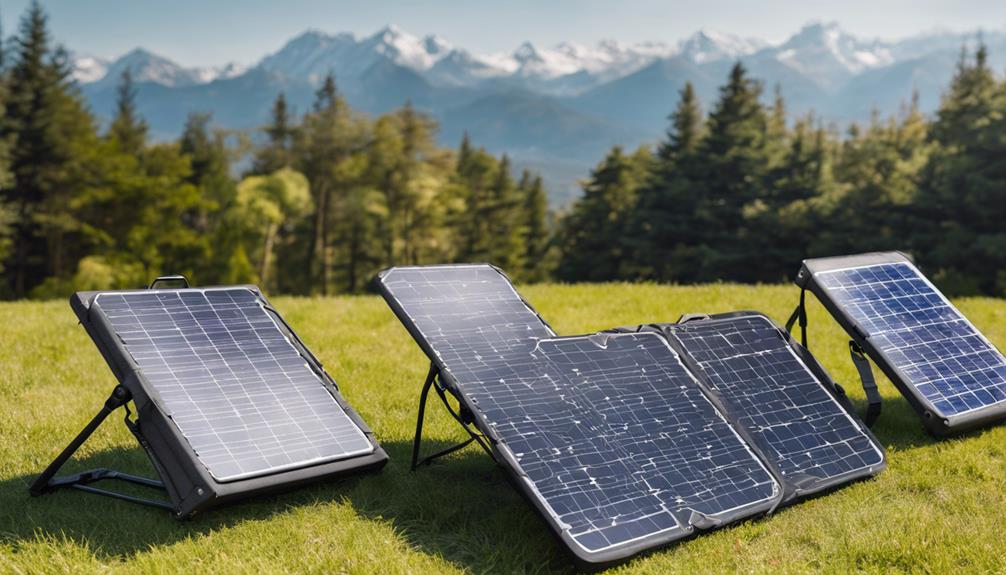
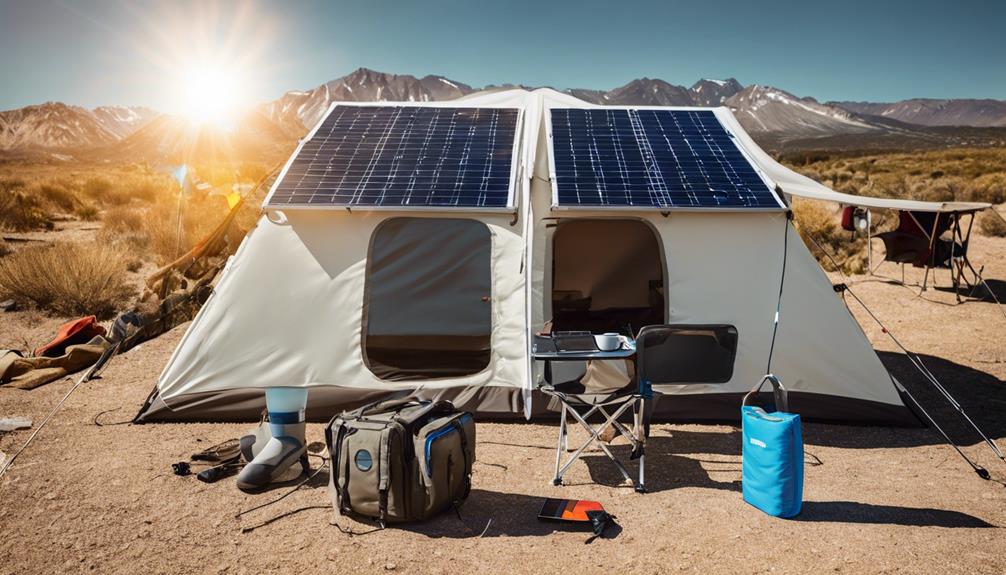
- Choose 50–200 W foldable panels + a power station for multi-day outdoor stays.
- Solar lanterns and tent lights improve safety and evening routines at low cost.
How solar gadgets can help mental health
Exposure to daylight and time in nature have measurable benefits for mood and energy: short outdoor visits (~20 minutes) can improve subjective well‑being and cognitive focus (Frontiers in Public Health, 2026). For people managing mood disorders and anxiety, solar gadgets lower barriers to spending time outside—by keeping phones charged for safety, powering lights for predictable evening routines, and enabling longer, self‑directed outdoor therapy or camping trips.
Bright‑light therapy is an evidence‑based first‑line treatment for seasonal affective disorder (SAD) when used according to clinical recommendations; light boxes should meet intensity and UV‑safety guidelines and be used under clinician advice (Cleveland Clinic clinical guidance, reviewed 2024).
Practical solar gadgets and how to use them
1. Bright‑light therapy (light boxes)
What it does: Delivers high‑intensity (usually 10,000 lux at specified distance) broad‑spectrum light to shift circadian rhythm and improve seasonal low mood. Use under clinician supervision rather than substituting for other treatments.
Buying checklist: look for lux rating, UV filtering, and vendor clinical information. Avoid decorative “sun lamps” that don’t meet medical specifications.
2. Solar lanterns and tent lighting
What it does: Reliable, weather‑rated lighting for evenings outdoors or in emergency situations. Good lighting reduces disorientation at night, supports safe movement, and helps establish calming bedtime routines when away from home.
What to expect: Rechargeable lanterns with integrated PV are common; many combine solar charging and USB charging. Choose a model with clear runtime specs (hours at low/bright modes) and an IP weather rating if used outdoors often.
3. Solar power banks and portable panels
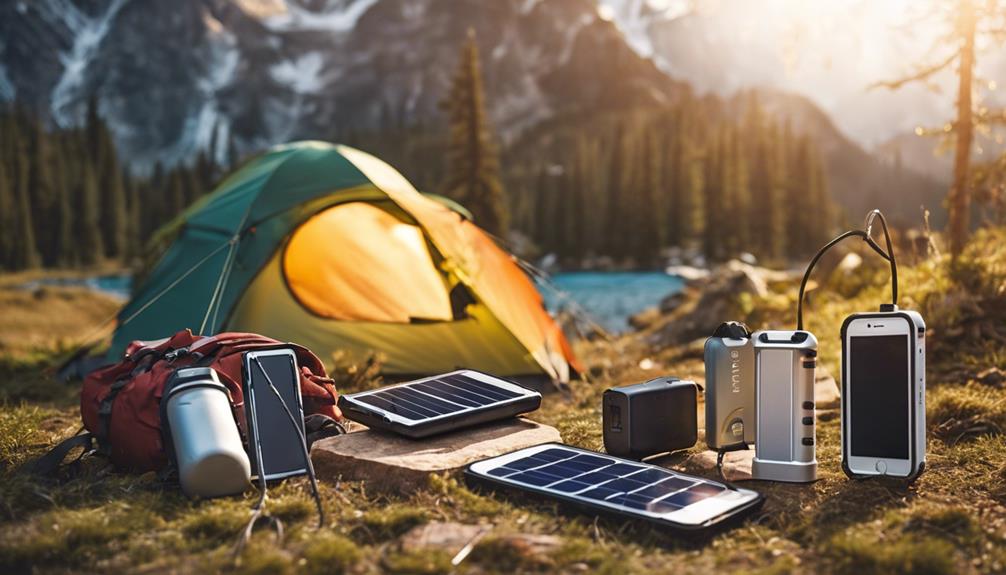
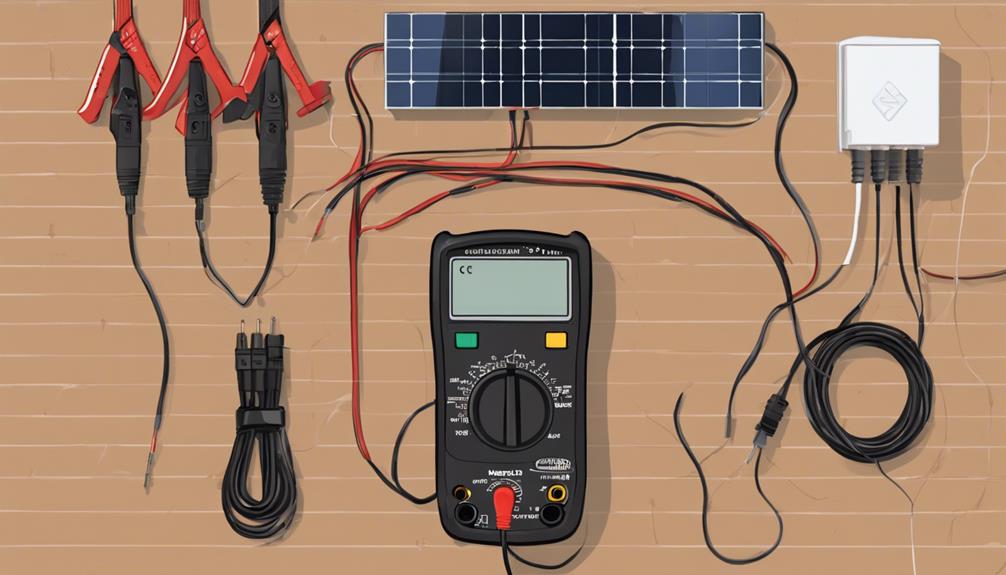
What it does: Keeps phones and medical devices charged for safety and connection. Important distinction: small integrated solar cells (on novelty items or backpacks) often produce single‑digit watts and only trickle‑charge; they are backups, not primary chargers. For reliable off‑grid use, pair foldable panels (50–200 W) with a battery/power station sized to your devices.
Practical specs: expect tiny panels at 5–20 W; meaningful camping setups use 50–200 W panels and a battery measured in watt‑hours (Wh). As of July 13, 2026, portable panel + power‑station combos are mainstream in outdoor reviews (OutdoorGearLab, 2026).
4. Solar backpacks and wearables
What it does: Offers on‑the‑go trickle charging and hands‑free carry. Current commercial wearables typically provide limited power; choose packs that include a built‑in battery if you need reliable charging. Flexible/organic PV is promising but still limited in continuous output as of June 2026.
5. Solar car ventilation fans and safety items
What it does: Reduces parked‑car heat buildup, improving comfort and lowering risk for those hypersensitive to heat or who use their car as a rest space. These are simple, low‑power solar fans designed for intermittent use.
What to check before you buy (quick buying checklist)
- Does the product include a battery (Wh/mAh) or only a panel? Panel‑only needs a separate battery.
- Panel wattage: small panels 5–20 W; serious needs 50–200 W (paired to a battery).
- Output ports & protocols: USB‑C PD and QC for fast phone charging.
- Weather/IP rating and weight for outdoor gear. Check real‑world run‑time specs.
- For light therapy: lux rating (e.g., 10,000 lux), UV filtering, and clinician guidance.
Tips: angle panels toward the sun, keep panels clean, and store batteries at recommended temperatures. Treat “solar” logos with skepticism—many novelty devices underperform in real conditions (REI expert advice, July 2026).
Safety and clinical cautions
Solar gadgets are tools, not treatments. For SAD or other mood disorders, consult a clinician before relying on light therapy as a sole intervention (Cleveland Clinic guidance, reviewed 2024). If you or someone you care for is in crisis or at risk of self‑harm, contact emergency services or crisis lines immediately—these products are not substitutes for urgent care.
Avoid overstating benefits: small integrated panels usually won’t keep a smartphone charged for long, and wearables with built‑in PV are generally supplemental. Read product specs and trusted reviews carefully.
Emerging tech: what’s coming
Research into flexible photovoltaics, organic PV, and perovskite cells is progressing quickly (academic reviews as of June 2026). These technologies promise lighter, textile‑integrated charging, but commercial garments delivering continuous, phone‑grade power remain limited for now. Expect incremental improvements over the next few years rather than immediately transformative consumer products.
Images and alt‑text recommendations
- Feature image (solar camping lantern): alt=”Solar lantern illuminating a tent at dusk”.
- Product photo (foldable panel): alt=”Foldable solar panel angled toward sun on campsite”.
- Product photo (light therapy box): alt=”Light therapy box on a bedside table with instructions”.
Conclusion — next steps
Start small: if mood is a concern, discuss light therapy with your clinician and look for certified light boxes. For outdoor time and safety, a mid‑range power bank plus a 50–100 W foldable panel will cover most day trips; choose weather‑rated lanterns for reliable evening light. Read specs, check real‑world reviews (OutdoorGearLab, REI, July 2026), and remember these devices are supports—not replacements—for clinical care.
If you’d like, I can draft a product‑level buying guide with current models and pros/cons tested as of July 2026.