Lead: Power outages and off‑grid conditions put lives at risk by cutting lighting, communications and cold‑chain services. Small solar devices—when certified and properly sized—can restore those services quickly and safely (WHO; FEMA).
The problem: why power matters in emergencies and off‑grid health
Medical care, emergency communications and basic safety depend on electricity. Without lights, clinicians cannot safely deliver maternity care at night; without reliable refrigeration, vaccines and some medicines spoil; without charged phones, people cannot call for help. Decentralized renewable energy and small solar kits have been deployed to fill these gaps in low‑resource and disaster settings (USAID; WHO) (USAID, WHO/peer review).
Which solar gadgets can reduce risk and save lives
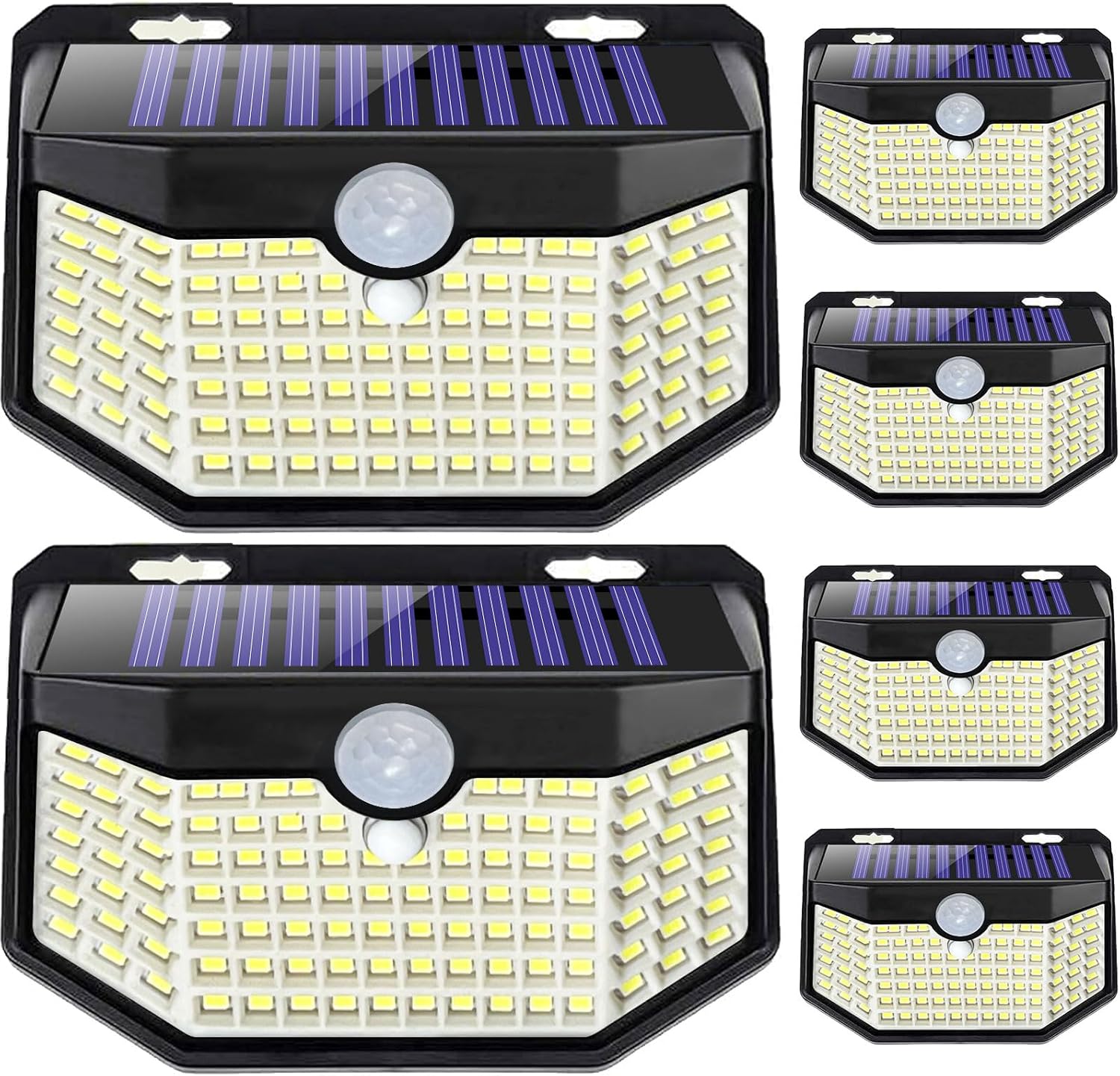
- Solar lanterns / pico‑PV lights — small certified lighting kits that replace kerosene lamps and reduce fire and indoor air pollution risks (Lighting Global) (Lighting Global).
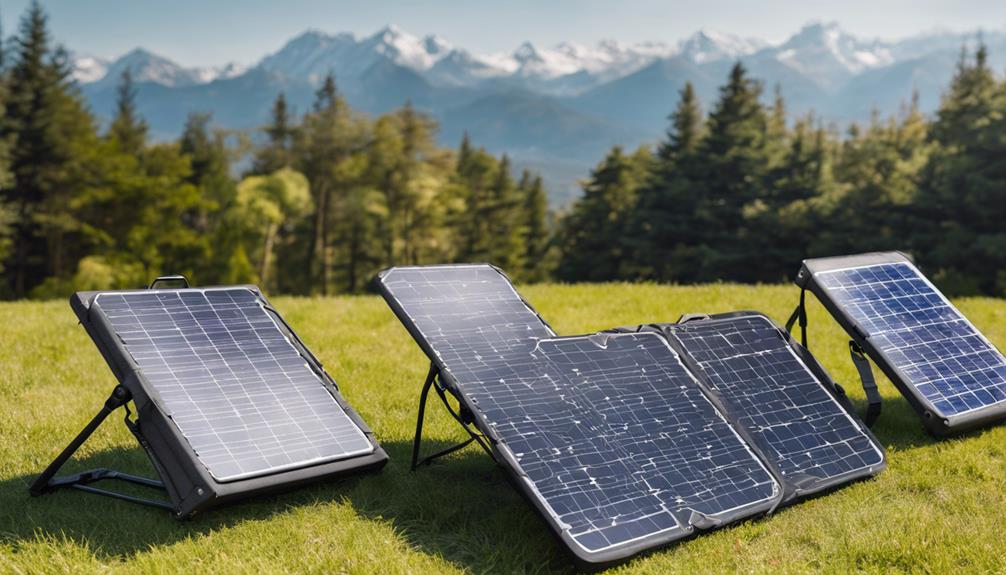
- Solar chargers / power banks — keep phones, radios and emergency lights charged so people can call for help or receive alerts (FEMA, American Red Cross) (FEMA).
- Portable power stations (solar generators) — integrated battery and AC/DC outputs that can run small medical devices (CPAP, suction, pumps) in short‑term outages; care is needed to size systems to device wattage and clinical autonomy needs (USAID) (USAID).
- Solar medical kits and direct‑drive clinic systems — preconfigured systems (e.g., “Solar Suitcase” style kits) provide lighting and power for maternal/newborn care in clinics and have shown measurable improvements in care availability (peer‑reviewed trials; WHO) (PMC).
- Solar‑powered cold chain / vaccine refrigerators — WHO PQS‑qualified systems exist for immunization programs; these require WHO performance verification for clinical use (WHO PQS) (WHO PQS).
Evidence & case studies
Trials and program evaluations show concrete benefits: targeted clinic solarization projects have improved night‑time delivery care and reduced reliance on kerosene lamps (Solar Suitcase trials; WHO) (PMC 2022). Broader reviews find that off‑grid solar lighting displaces kerosene and can reduce costs and some health risks, though measured long‑term health outcomes depend on product quality and sustained use (systematic review). Humanitarian distributions reach millions, but programs must manage quality assurance and e‑waste to avoid creating new hazards (Lighting Global; UNHCR) (Lighting Global, UNHCR guidance).
How to choose a reliable device
Not all solar gadgets are equal. For safety and impact, look for independent verification and clear specs:
- Certified listings: Lighting Global/IEC verification for pico‑PV; WHO PQS for medical refrigeration and clinical systems (Lighting Global, WHO PQS).
- Readable specs: lumen output at usable setting, battery capacity in Wh, panel watt‑peak (Wp), battery chemistry and rated cycle life, and IP rating for water/dust resistance.
- Warranty and service: replaceable batteries or authorized service partners for institutional purchases.
- Context fit: estimate local peak sun hours and whether the device will be used daily—these affect battery degradation and necessary sizing (USAID guidance).
- Choose certified products (Lighting Global, WHO PQS where relevant).
- Check battery capacity in Wh and panel Wp; avoid vague claims about “hours of sun”.
- Prefer lithium batteries with rated cycle life and replaceable parts; note warranties.
- Confirm IP rating before using in wet/disaster conditions.
- Plan for e‑waste recycling or take‑back, especially in humanitarian distributions (UNHCR guidance).
Safety, maintenance & disposal
Batteries age and performance falls with cycling; avoid promises like “never buy batteries again.” Typical small solar lights may show significant degradation in 1–5 years depending on chemistry and use—check rated cycle life and follow manufacturer care guidance (Battery University). Store devices charged at about 50% if long‑term storage, rotate devices into use so batteries remain healthy, and include safe e‑waste plans when procuring at scale (Battery University; UNHCR).
How to estimate runtime (simple graphic/ formula)
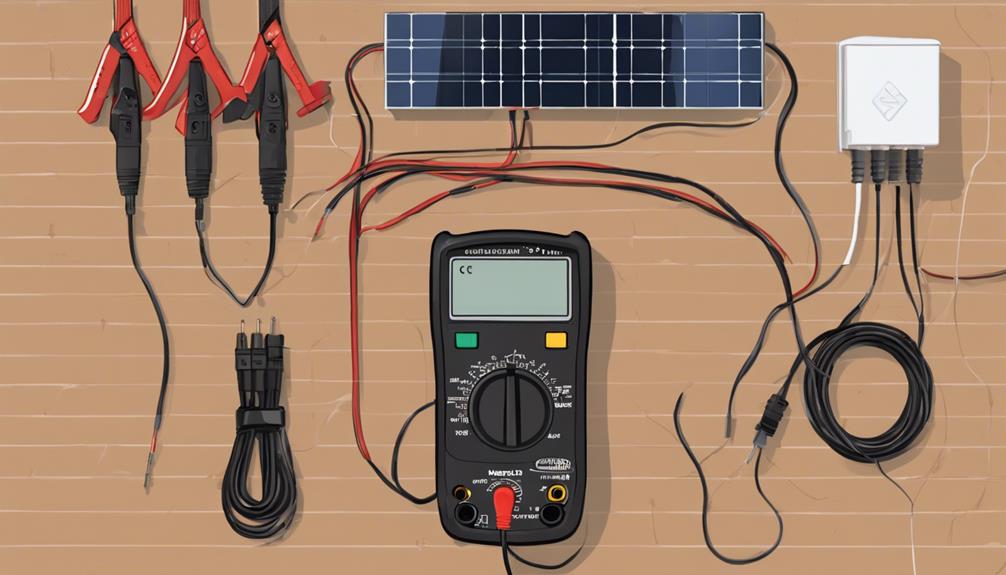
Graphic idea (accessible): a one‑line formula—Runtime (hours) = battery capacity (Wh) ÷ device power (W). Example: a 50 Wh battery powering a 5 W light runs ~10 hours (actual runtime depends on inverter losses, battery age, and settings).
Practical tips and next steps
- Keep at least one charged power bank in emergency kits and rotate it into daily use to preserve battery health (FEMA advice).
- For clinics, engage technical assistance and require WHO PQS or equivalent for cold chain and medical devices before purchase.
- Plan logistics: warranties, spare parts, and e‑waste disposal before large distributions to avoid creating new risks.
Small solar gadgets can and do save lives—when matched to the need, verified by independent testing, and supported with maintenance and disposal plans (WHO; Lighting Global; FEMA). Start by choosing certified products, sizing systems realistically, and including long‑term service and recycling in procurement decisions.
Key sources: WHO/peer‑review on solar for health facilities (PMC); Solar Suitcase trial in Uganda (PMC 2022); Lighting Global quality standards (Lighting Global); USAID guidance on powering health (2022) (USAID); FEMA/Red Cross preparedness guidance (FEMA); WHO PQS for vaccine refrigeration (WHO PQS); Battery University on battery care (Battery University); UNHCR guidance on e‑waste (UNHCR).