Why teach solar energy?
Solar energy connects a visible natural source (the Sun) to everyday technologies, community resilience, and local career pathways. For K–12 educators, solar lessons offer hands‑on, standards‑aligned opportunities to teach energy concepts, engineering design, and civic awareness while engaging students and families.
Short context: relevance for schools
Climate goals, expanding local solar programs, and workforce demand make solar education timely. Lessons on Solar PV, solar thermal/CSP, PV + storage, and community/shared solar help students see how technologies work, who benefits, and what careers exist in the energy system.
What students can learn by grade band (NGSS‑aligned)
- K–2: The Sun is a major source of energy; students observe light, warmth, and shadows. (Example PE: K‑PS3‑1)
- Grades 3–5: Energy conversions—sunlight to heat and electricity; basic PV behavior and simple systems. (Example PE: 4‑PS3‑2)
- Grades 6–8: Electricity basics, circuits, measuring power/efficiency, and designing PV devices or a model solar home. (Example PE: MS‑PS3‑3; include MS‑ETS design tasks.)
- Grades 9–12: System integration (PV + storage), grid interactions, policy and equity implications, and pathways to CTE and postsecondary careers. (Example PE: HS‑ESS3‑4; HS‑ETS1 engineering challenges.)
Hands‑on activity menu (classroom‑ready)
Choose activities that match grade-level goals and scaffold abstract ideas with concrete experience.
- Solar oven — Build a simple box oven to explore heat transfer, insulation, and albedo. Learning outcome: sunlight → thermal energy; design iteration. (Grades 3–8)
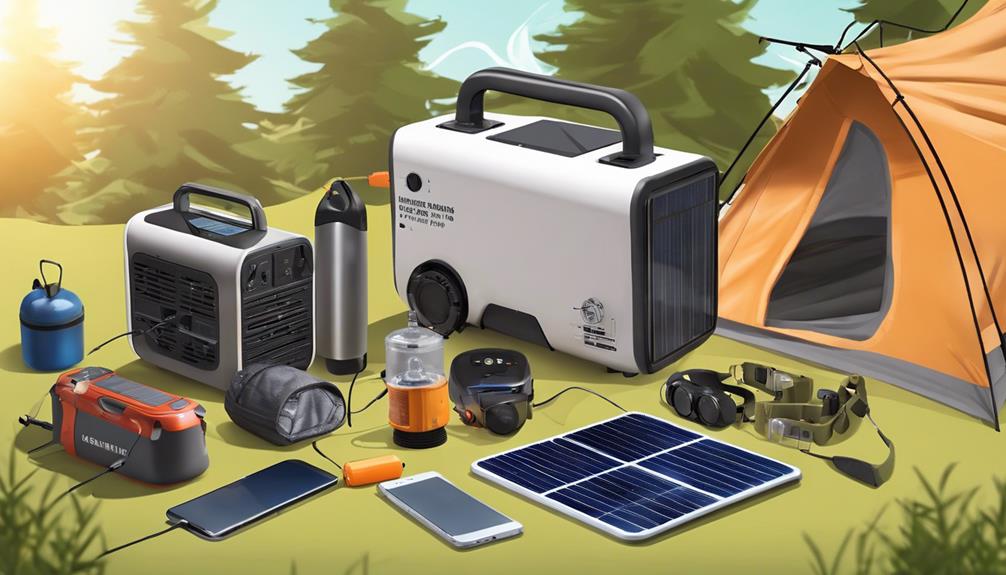
- Small PV kits — Use mini solar panels to power an LED, motor, or fan while testing panel angle and shading. Learning outcome: PV converts sunlight to electricity; orientation and irradiance matter. (K–8)
- Solar home model — Students size panels and batteries for a model house, choose efficient appliances (LEDs), and balance loads. Learning outcome: distributed generation, storage tradeoffs, and decision‑making. (Grades 6–12)
- Pedal vs. panel kinesthetic demo — Compare human‑powered energy to PV output (pedal generator vs solar panel powering a device). Learning outcome: magnitude of power and experiential understanding. (K–8)
Recommended kits, suppliers & professional development
- KidWind — solar and wind kits plus teacher PD and project challenges; good for hands‑on labs and competitions.
- NEED (National Energy Education Development) — K–12 curriculum modules, activity guides, and classroom-ready lessons including the solar oven and energy audits.
- NREL resources — experiments and inventories for classroom use, plus research‑based practice notes on kinesthetic learning.
Tip: many utilities, state programs, and community solar projects offer grants or donated kits—check local incentives (DSIRE/state energy offices) to fund materials.
Assessment & teaching tips
- Map student outcomes to NGSS performance expectations and use evidence statements for assessment (explain, model, measure, design).
- Use simple data collection: light meters, multimeters (with supervision), and temperature probes to turn observations into evidence.
- Scaffold vocabulary (solar irradiance/insolation, PV, CSP, distributed generation, PV + storage) and connect terms to classroom phenomena.
Safety, equity & community connections
- Safety: Supervise electrical work, use low‑voltage kits for younger students, and enforce sun‑safety during outdoor sessions.
- Equity: Use community solar/shared solar examples and school partnership programs to show renters and low‑income families how solar benefits can be shared without rooftop installs.
- Community relevance: Connect lessons to local energy employers, installers, utilities, and histories (including coal or fossil communities) in a neutral, skills‑focused way to highlight transferable careers.
Careers & pathways
Point students to internships, summer programs, technical certificates, and competitions (Solar Decathlon outreach, DOE and national lab programs). Emphasize transferable skills—electrical fundamentals, measurement, construction, design—that open multiple pathways without implying instant replacement of local industries.
For teachers: quick resource box
- DOE Energy Literacy Quick‑Start Guide — systems framing and lesson ideas.
- NEED curriculum — downloadable K–12 modules and activity guides (solar oven, home audits).
- KidWind — kits, PD, and solar/wind challenge materials.
- NREL classroom resources — experiments and guidance for standards alignment.
Getting started: three simple steps
- Pick one hands‑on activity that fits your grade band (start small: a PV kit or solar oven).
- Map the activity to a clear NGSS performance expectation and an assessment task.
- Seek funding or partnerships (utility grants, community solar sponsors, local installers) to scale kits and family take‑home activities.
Solar education is flexible: it engages young children with observable phenomena, deepens into systems thinking in middle school, and connects to careers in high school. With a few well‑chosen kits, clear NGSS mapping, and community partnerships, teachers can build lasting, equitable pathways from curious learners to informed citizens and future workers.