Introduction
Portable solar power can keep phones, lights, cameras, coolers, and medical gear running while you camp — but the right setup depends on your trip length, mobility, and devices. Think of a camping solar system as three linked stages: solar source → battery storage → device or appliance. A panel can charge a device directly in good sun, but a battery or portable power station makes the system useful when sunlight is limited or at night.
How a Camping Solar Power System Works
Basic components:
- Solar panel (portable or vehicle-mounted) that converts sunlight to DC power.
- Charge controller or the power station’s built-in solar input (often MPPT) to optimize charging.
- Battery or portable power station that stores energy (capacity measured in watt-hours, Wh).
- Outputs to devices: USB, USB-C PD, 12‑volt DC, and AC via an inverter (power output measured in watts, W).
Remember: Wh tells you how much energy is stored; W tells you how much power can be delivered at one time. A large Wh rating doesn’t help if the inverter’s continuous W rating is too low for the appliance you want to run.
Do You Need Solar for Your Camping Style?
- Backpackers: usually stick to compact power banks or single small solar chargers; weight and packability matter most.
- Car or base campers: foldable panels plus a small-to-mid portable power station (100–600 Wh range) cover many needs.
- Van/RV campers: vehicle-mounted arrays, MPPT charge controllers, and auxiliary batteries sized to 12‑volt loads are common.
- Remote or multi-day trips: plan energy budgets, bring reserve capacity, and consider alternate charging (vehicle or small generator) for extended overcast periods.
Types of Camping Solar Equipment
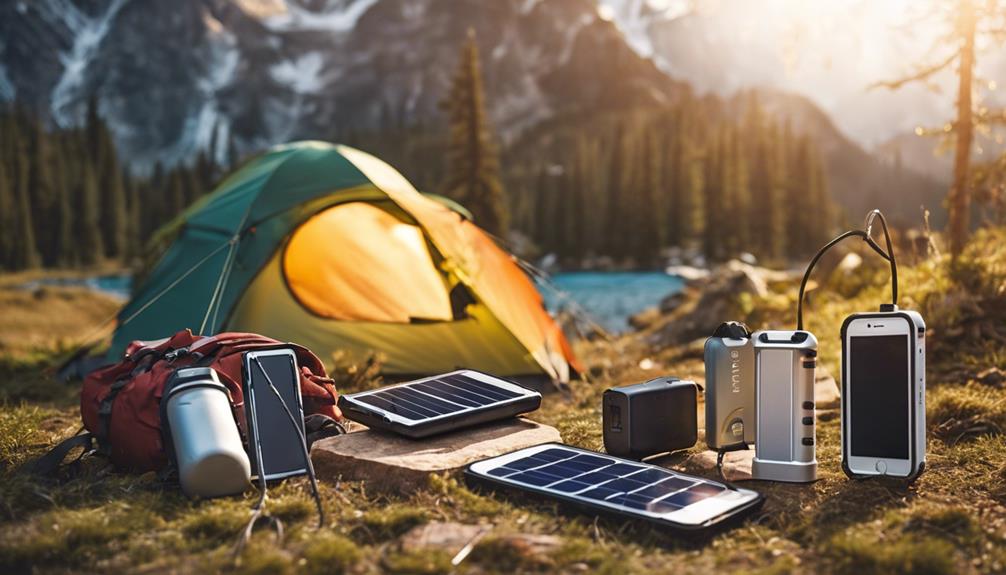
Small solar chargers and power banks
Best for phones, GPS, and headlamps. Lightweight but limited Wh and often slow in poor light.
Foldable portable panels
Easy to carry and deploy at camp. Pair with a power station or power bank that accepts solar input.
Rigid and vehicle-mounted panels
Higher output for vans/RVs or semi-permanent setups. Heavier and require mounting hardware and wiring.
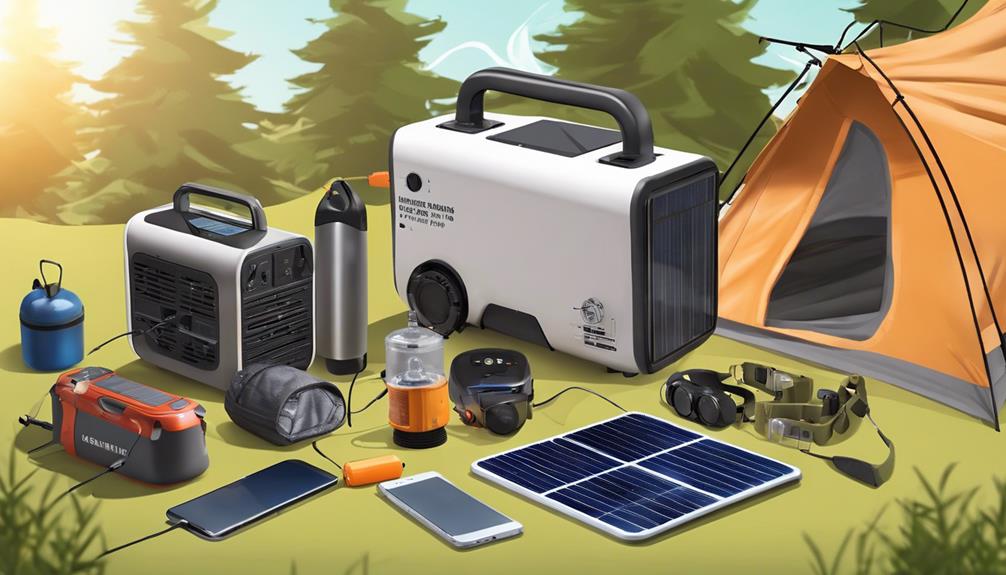
Portable power stations
Rechargeable battery systems with USB, 12‑volt, and AC outputs. Convenient and safe when used within their rated input/output limits. “Solar generator” is a common marketing label for a power station plus panels, but it’s a battery — not an engine-based generator.
Auxiliary 12‑volt battery systems
Useful for running DC appliances in vehicles; select compatible charge controllers and wiring sized for the load.
How to Choose the Right System
- List every device you want to run and find each device’s power draw (in watts) or energy use (Wh/day).
- Estimate total daily Wh needs and apply a system-efficiency factor to account for inverter and conversion losses. Useful formula: Estimated battery capacity needed = total device watt-hours ÷ estimated system efficiency.
- Add reserve capacity — don’t rely on consuming the battery to 0% advertised Wh.
- Compare continuous and surge watt ratings for appliances with motors or compressors.
- Match the panel’s rated watts and the power station’s solar-input voltage/current limits; confirm connector compatibility and MPPT support.
- Consider weight, weather resistance, and whether the panel or station can expand later.
Battery Chemistry and Practical Trade-Offs
Lithium iron phosphate (LiFePO₄ or LFP) is increasingly common in portable power stations for its long cycle life and thermal stability. Other lithium-ion chemistries may be lighter for the same Wh but have different longevity and safety profiles. AGM lead‑acid batteries are heavier and less suited for backpacking but may fit vehicle setups where cost and compatibility are priorities. Always check the specific product’s documentation for temperature limits, usable capacity, and recommended discharge depth.
Setting Up Panels at Camp
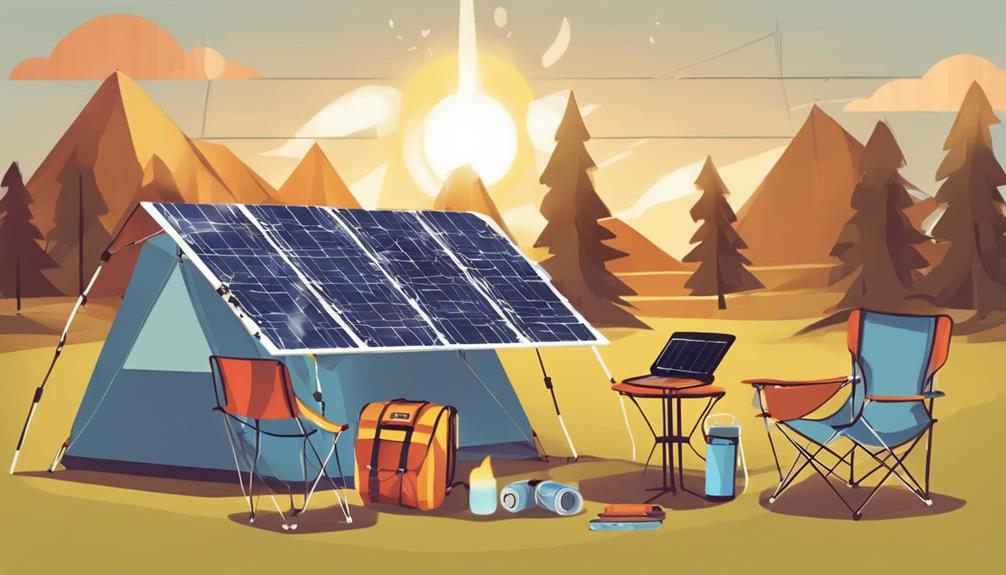
- Place panels where they receive the least shade and can be pointed toward the sun; a tilt or repositioning during the day improves output.
- Use stable mounts or ground stakes and secure cables to prevent wind stress.
- Verify connector polarity and the power station’s solar-input rating before connecting.
- Keep the battery shaded and ventilated per the manufacturer; avoid leaving it in direct sun or near heat sources.
Improving Charging Performance
- Charge during peak sun hours and reduce loads while recharging.
- Charge devices directly via USB or 12‑volt DC when possible to avoid inverter losses.
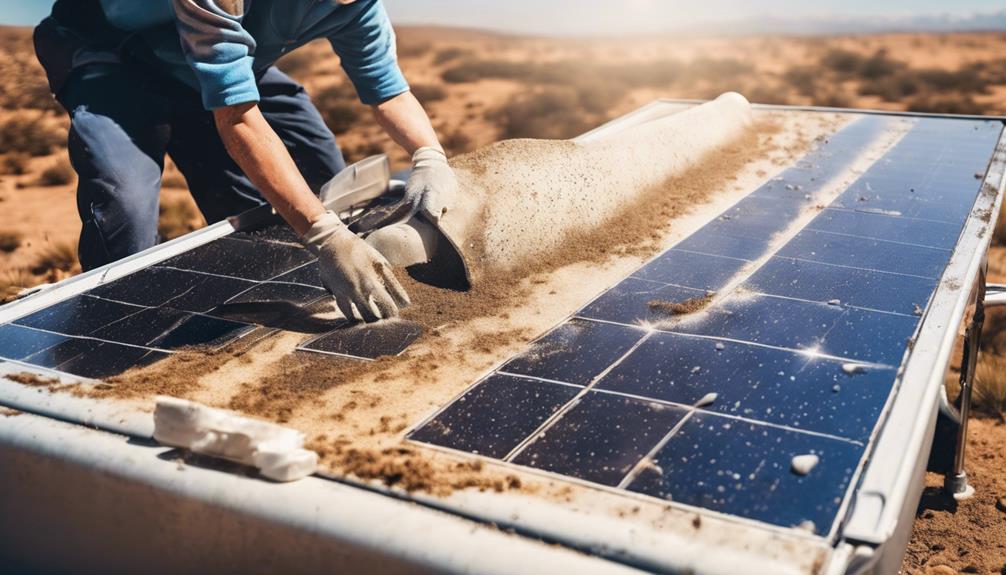
- Minimize shade and dust on panels; follow manufacturer cleaning recommendations.
- Bring an alternate charging option (vehicle or wall) for extended bad weather.
Lithium-Battery Safety (Concise and Essential)
- Use only manufacturer-approved cables and chargers. Inspect cables, connectors, and housings before use.
- Do not use swollen, cracked, leaking, or unusually hot batteries. Stop using and follow local hazardous-waste guidance if damaged.
- Keep batteries away from excessive heat, standing water, and direct flames. Do not block ventilation openings.
- Store batteries in a cool, dry place and follow the product manual for temperature and charging limits.
- Check for product recalls and certifications before trips; avoid modified or uncertified packs.
Quick Buying Checklist
- Required Wh (daily energy) and desired reserve.
- Required continuous and surge W for appliances.
- Solar-input voltage/current limits and connector type.
- Battery chemistry, usable capacity, and temperature limits.
- Available output ports (USB-C PD, 12V, AC) and inverter rating.
- Panel portability (foldable vs rigid), weather resistance, and warranty.
- Weight and whether you’ll need additional panels for expansion.
FAQ
Can a solar panel charge a phone directly? Yes in good sun with the right cable, but charging through a power station or power bank stores energy for dark periods and protects against shading variability.
Can a portable power station run a refrigerator or CPAP? Possibly — check the station’s continuous and surge watt ratings and the device’s startup draw. For medical devices, plan redundancy and confirm runtime needs.
Solar camping can greatly reduce reliance on fuel generators, but it requires realistic energy planning, proper setup, and attention to safety. Verify current product specs, certifications, and recall status before you buy or bring gear into the backcountry.