Introduction
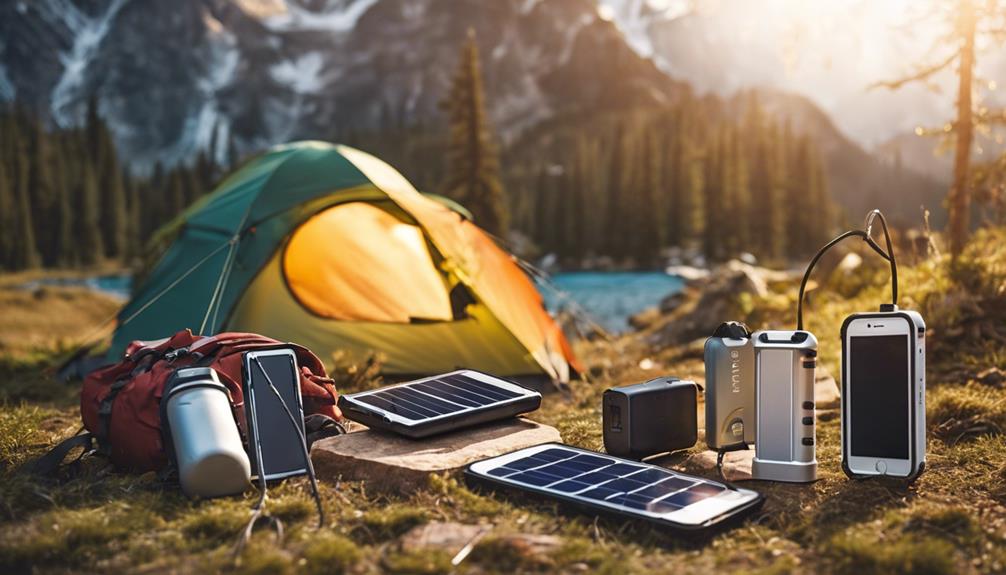
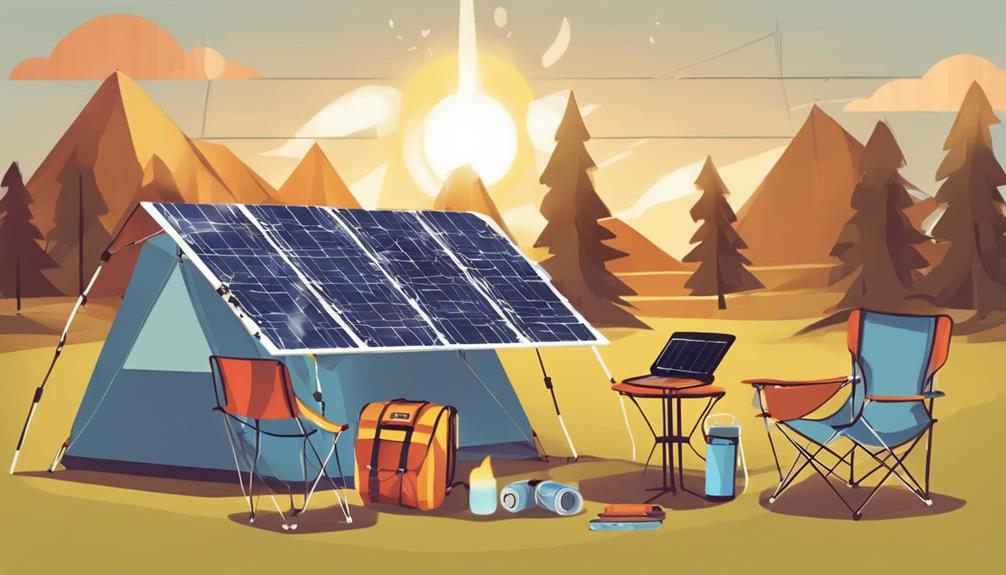
Portable solar makes it easy to recharge phones, lights, cameras, and small appliances at camp without a noisy generator. A camping solar system is usually a panel (folding, briefcase-style, or rollable) plus some way to store or regulate that energy—a power bank, a battery, or a portable power station. Remember: panels only produce electricity in light; batteries let you use that energy after sunset (U.S. Department of Energy).
Choose the right camping solar setup
- USB power bank or small solar charger: Lightweight for day hikers who only need phones and headlamps.
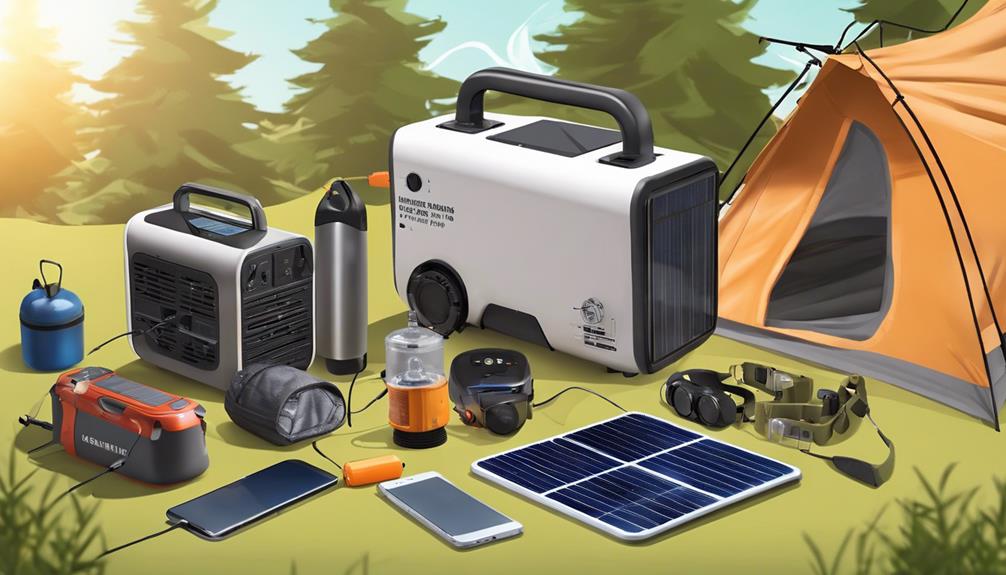
- Folding portable panel + portable power station: The most flexible option for car camping and vans. The power station contains a battery, charge controller, and multiple outputs (USB, DC, and often AC).
- Larger vehicle- or roof-mounted systems: For extended van/RV use; more complex and usually installed semi-permanently.
For most campers starting out, a folding solar panel paired with a portable power station is the simplest and safest approach.
Calculate how much power you need
Make a list of every device you plan to charge, its power draw (watts) or battery size (watt-hours), and how long you’ll use it each day. Use this formula:
Daily energy use (Wh) = watts × hours
Example: a phone charger drawing 10 watts for 2 hours uses 20 Wh. If you have two phones and a light (10 Wh), total might be ~50 Wh per day. Add 20–30% to cover conversion losses and cloudy days.
Key terms: panel watts = how fast you can collect energy; battery watt-hours (Wh) = how much energy you can store; inverter watts = the maximum AC load the power station can supply.
Compatibility warning: check before you connect
Never assume a bare panel can safely charge a phone or battery directly. Verify:
- Solar input voltage and maximum input wattage for the power station
- Connector type and polarity
- Whether the power station includes a charge controller (many do) or you need an external MPPT controller
Mismatching voltage, connectors, or exceeding solar input ratings can prevent charging or damage equipment. Treat “solar generator” as marketing language; the correct technical term for the battery unit is “portable power station.” Follow manufacturer wiring instructions.
Set up the panel at camp
Find unshaded, direct sunlight. Shade—even a small shadow—can sharply drop output depending on the panel design, so move the panel rather than leaving it in partial shade (NREL). Tilt and reorient the panel as the sun moves, and keep it clear of dirt and debris for best production.
Protect the power station and connections from rain (check ingress protection ratings) and avoid placing panels where people or vehicles could step on them or blow them over.
Charge devices efficiently
- Use USB-A or USB-C from the power station for phones, cameras, and lights—this avoids inverter losses.
- Use DC outputs when possible for efficient charging; reserve AC for devices that need it.
- Turn off unused outputs and the inverter when not in use to prevent parasitic drain.
- If sunlight is limited, charge vital items first (phones, navigation, medical devices).
REI and other outdoor experts recommend prioritizing direct DC/USB charging for efficiency and battery longevity.
Store energy for nighttime use
Panels can’t provide reliable night power—use a battery or power station sized to your evening needs. Estimate night loads (lights, phones, medical gear) and remember inverter conversion losses when planning AC use. A 500 Wh power station does not deliver 500 Wh to an AC device—check the usable capacity and inverter efficiency in the specs.
Maintenance and lithium-battery safety
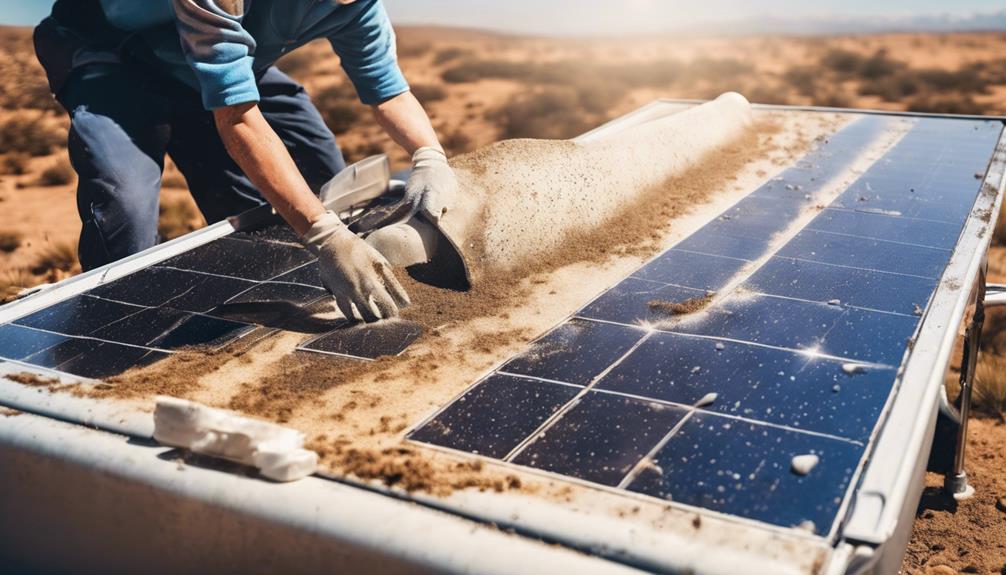
- Keep panels clean: wipe off dust, mud, leaves, and bird droppings per the manufacturer’s instructions (soiling reduces output).
- Inspect cables and connectors for damage or corrosion before each trip.
- Store batteries dry and protected from crushing, puncture, and extreme temperatures.
- Do not use or charge swollen, hot, leaking, or damaged batteries; follow manufacturer temperature and charging limits. OSHA warns that damage, heat, and improper charging increase lithium-ion failure risks.
Troubleshooting common problems
- Low solar input: Check for shade, dirty panel, poor orientation, or a loose cable.
- Power station not charging: Confirm panel matches the station’s solar input voltage/wattage and connector; check temperature protection and that the battery isn’t already full.
- Appliance won’t run: Verify inverter watt rating vs. startup surge and continuous draw; try a DC or USB alternative if available.
- Battery drains quickly: Look for high-wattage loads, an inverter left on, or an aged battery with reduced usable capacity.
Conclusion
A simple, reliable camping setup starts with a compatible folding panel and a portable power station sized to your watt-hour needs. Size from real device consumption, keep panels in direct sunlight, use USB/DC charging when possible, and follow basic lithium-battery safety. For technical background on solar-plus-storage, panel positioning, and battery safety, see the U.S. Department of Energy, NREL, and OSHA guidance cited below.
Sources: U.S. Department of Energy (solar-plus-storage and system components), NREL (panel positioning and soiling), REI (camping solar practices), OSHA (lithium-ion battery safety).