Short summary: Portable solar chargers can be a great solution for topping up phones, GPS units, and batteries when you’re off-grid, but performance depends on panel size, controller type, weather, and whether an internal battery is used. This guide explains types, key specs, realistic expectations, safety standards, and practical buying tips.
Quick takeaway
Use a portable solar charger when you need occasional off-grid power or as an emergency backup. For reliable, fast charging of laptops or power stations choose larger foldable panels (20–200 W) with an MPPT controller and, where needed, a battery (solar power bank or portable power station) to buffer intermittent sun.
Types of portable solar chargers
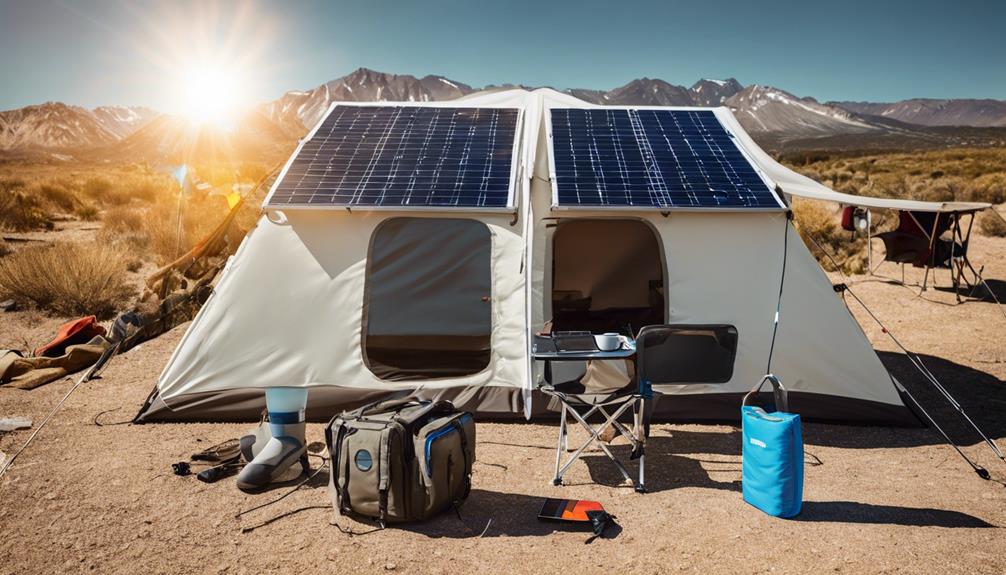
- Foldable USB panels (10–30 W): lightweight, packable, usually USB outputs for phones and small devices.
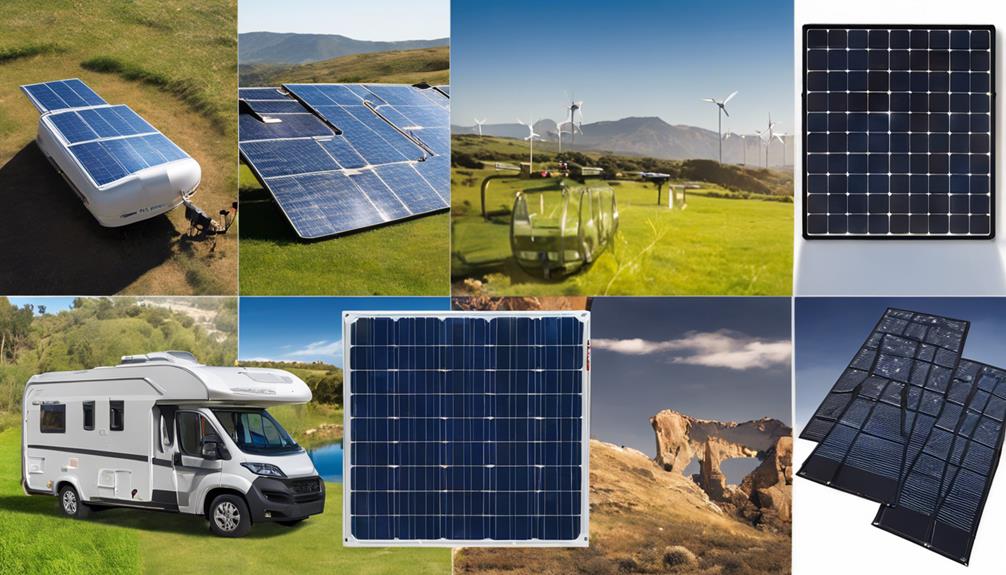
- Standalone portable panels / briefcase panels (30–200 W): higher output for charging power stations or running small appliances; often use MC4 or DC outputs.
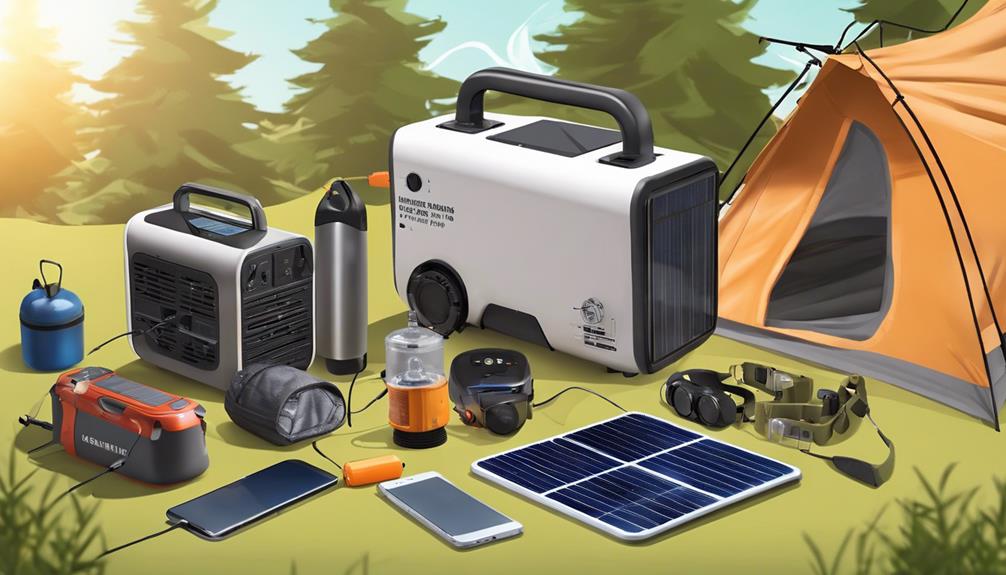
- Solar power banks: battery + small integrated panel. Good for emergencies, but the tiny panel often only trickle-charges the battery.
- Portable power stations (solar generators): large battery packs designed to be recharged by panels; look for MPPT input and matching connector types.
How they work (plain language)
Sunlight hits photovoltaic cells in the panel and produces DC electricity. That output goes through a charge controller — either a simple PWM or a smarter MPPT — which regulates voltage and current so batteries or devices receive the right charge. Devices are then fed through USB or DC ports; modern gear often uses USB-C with Power Delivery (USB‑PD) negotiation for fast charging.
MPPT vs PWM (short)
MPPT controllers extract more usable power in variable light and when panel voltage and battery voltage differ. For charging power stations or faster recharging, prefer MPPT-equipped systems (see technical explainer: Solar Panels Network).
Key specs to compare
- Panel wattage (W): peak output under ideal sun — determines how much energy you can collect per hour.
- Battery capacity (Wh): for power banks and stations — convert mAh to Wh using mAh × nominal voltage (≈3.7 V for Li-ion) / 1000.
- Open-circuit voltage (Voc) and nominal operating voltage — relevant when matching panels to charge inputs.
- Ports & protocols: USB-C PD for fast charging, USB-A for legacy devices; verify any USB-C port actually supports USB‑PD and stated wattage.
- MPPT vs PWM controller, IP rating (e.g., IP67), connectors (MC4, XT60, Anderson), weight and folded size.
Realistic performance & quick math
Don’t trust claims that a tiny built-in panel will recharge a power bank in a single sunny day. Use this method to estimate charge time:
- Energy needed = battery Wh × 1.2 (multiplying by ~1.2 accounts for angle, heat, wiring and conversion losses).
- Energy available per day = panel W × peak sun hours (PSH) for your location.
- Days to charge = Energy needed / Energy available per day.
Quick math — worked examples
Example A — Phone: typical phone ≈ 15 Wh. With a 10 W panel and 5 PSH: energy needed = 15 × 1.2 = 18 Wh; available/day = 10 × 5 = 50 Wh → ~0.36 day or ~4–5 hours in good sun.
Example B — 10,000 mAh power bank: 10,000 mAh ≈ 10,000 × 3.7 V / 1000 = 37 Wh. With a small integrated panel (1.5 W) and 5 PSH: energy/day = 1.5 × 5 = 7.5 Wh; energy needed = 37 × 1.2 = 44.4 Wh → ~5.9 days. That shows small built-in panels are for trickle top‑ups, not fast recharges.
Safety, certifications, and travel rules
Buy products with third‑party safety certifications (UL, EN/IEC equivalents). Portable power packs and solar-capable stations are subject to standards and testing — reputable products will list certifications (see UL guidance on portable power packs).
Air travel: most airlines follow FAA rules: batteries up to 100 Wh are allowed in carry‑on; 100–160 Wh often require airline approval; >160 Wh are typically prohibited. Check airline policies before flying with a power station.
Buying checklist by use case
- Day hiker / phone top-ups: 10–20 W foldable USB panel + USB-PD phone cable.
- Multi-day camper: 50–150 W foldable panel + small power station (MPPT input).
- Digital nomad / road warrior: high-watt panel (100 W+), MPPT charge controller, power station with AC and USB‑PD outputs.
- Emergency kit: solar power bank for essentials, but store with a charged battery — don’t rely on the tiny panel to replenish it quickly.
Common myths (short)
- Myth: “Any USB-C port is fast charging.” — False: confirm USB‑PD support.
- Myth: “A small integrated panel recharges a power bank in one day.” — Usually false; expect multi‑day trickle charge unless the panel is large.
- Myth: “Panel efficiency equals real‑world output.” — Efficiency is measured at standard test conditions; real output varies with angle, temperature and irradiance.
Maintenance & troubleshooting
- Keep panels pointed at the sun, avoid shade, and secure panels from wind.
- Keep panels cool — high temps reduce output; ventilate power stations while charging.
- Use a battery buffer if you need steady power; don’t directly connect unregulated panel outputs to sensitive devices.
Safety note
Never bypass charge controllers or connect raw panel outputs to sensitive electronics. Follow manufacturer instructions and choose devices with proper regulation and certifications.
FAQ (short)
Q: Can a small solar panel replace my wall charger?
A: Not usually. Sunlight varies, and small panels are slow. For routine fast charging, use wall power.
Sources & testing notes: UL guidance on portable power packs (UL), Consumer Reports reviews of solar panels and solar-capable power banks (Consumer Reports), MPPT/PWM and panel type explanations (Solar Panels Network), and solar charge-time methodology (OffGridBenchmark).
Last updated: 2026-06-21. Internal note: merged and fully rewritten from legacy article to correct outdated claims and improve accuracy.