Introduction
This guide explains how photovoltaic (PV) arrays produce electricity, what components a modern system includes, and practical steps for planning a home installation. It’s aimed at homeowners considering solar—readers should note that electrical work requires permits and a licensed installer or electrician.
How PV cells make electricity (brief)
A photovoltaic cell is a semiconductor device that converts sunlight into direct current (DC). Photons from sunlight free electrons in the cell’s semiconductor; a built‑in electric field at the p–n junction separates those charges and produces a DC voltage and current. Cells are packaged into modules (panels), and multiple modules joined together form an array. For a concise primer, see the Department of Energy’s PV overview: DOE: Solar Photovoltaic Technology Basics.
Simple system diagram (text)

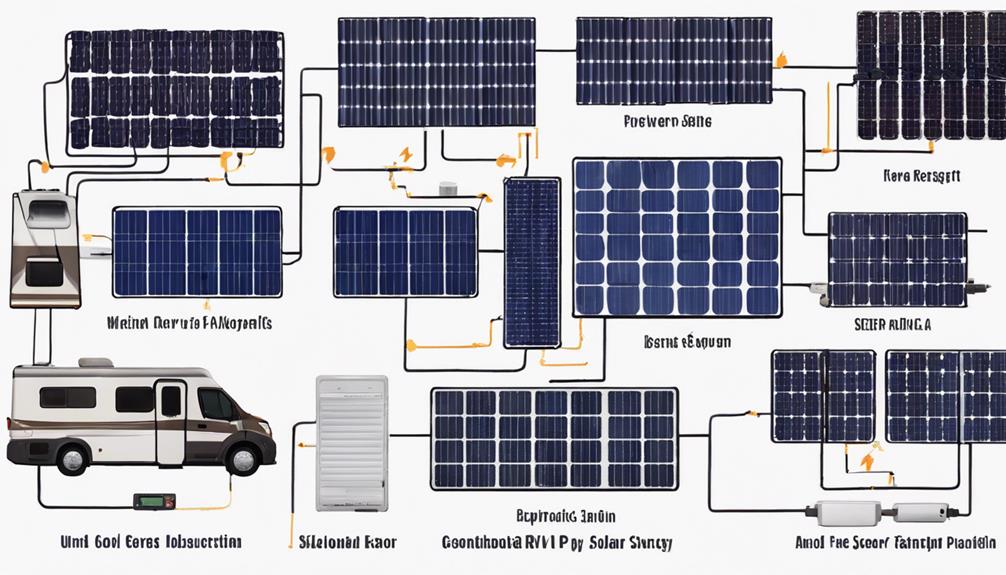
Sunlight → PV cell → Module (panel) → Array (many panels)
                                ↓
                              DC wiring → Inverter → AC for home / grid
Main components of a PV system
- Cells → Modules → Array: Individual cells are soldered into modules rated in watts. Modern residential modules commonly range ~380–450 W each (EnergySage).
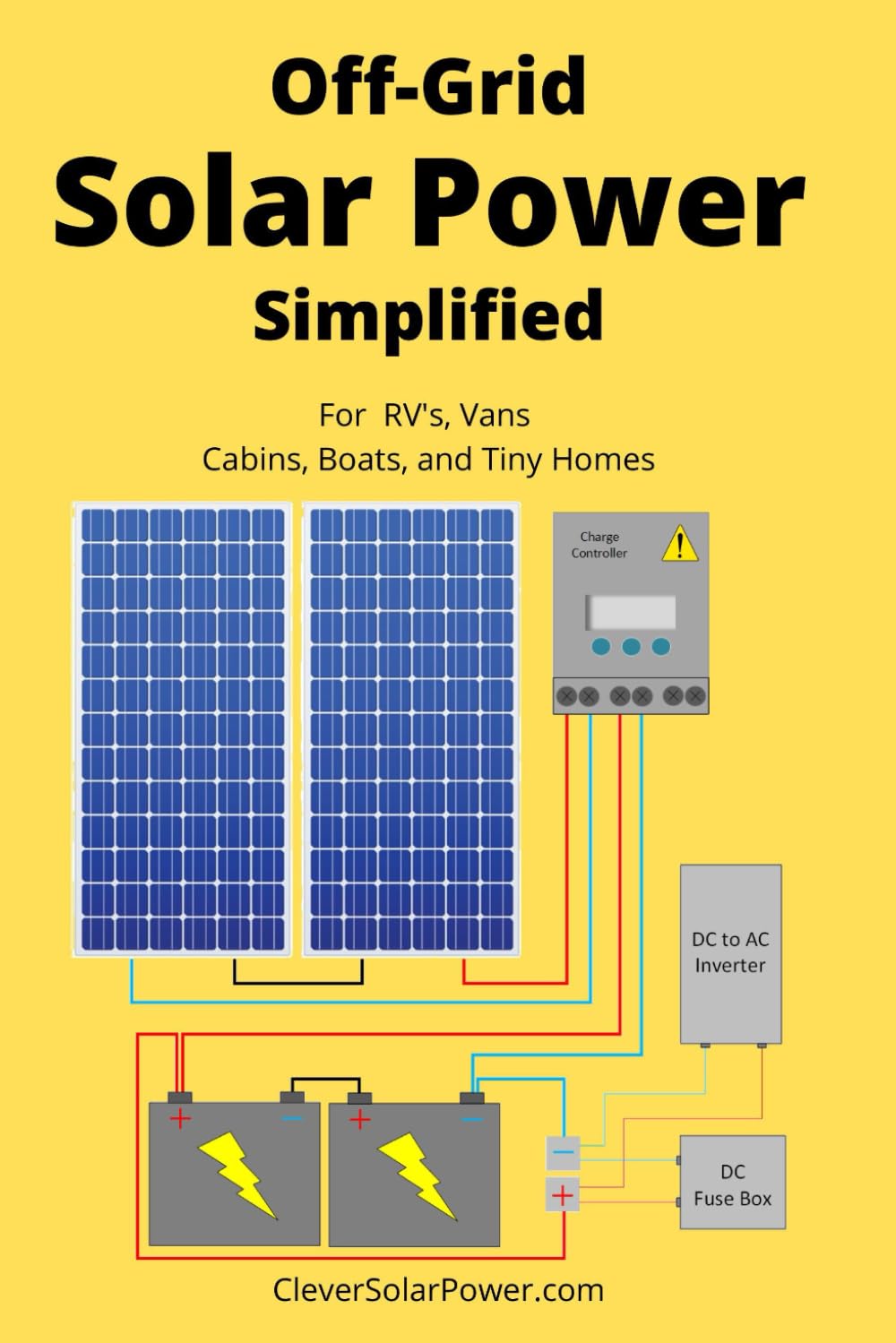
- Inverter: Converts DC to AC that your home and utility use. MPPT (Maximum Power Point Tracking) electronics maximize output under varying sun and temperature (NREL inverter research).
- Balance of System (BOS): Racking, wiring, disconnects, combiner boxes, overcurrent protection, monitoring, and grounding.
- Optional batteries: For backup or off‑grid operation; common chemistries now include lithium iron phosphate (LFP) for its longevity and safety.
Inverter options — quick comparison
| Type | Pros | Cons |
|---|---|---|
| String inverter | Lower cost, simple | Whole string affected by shading |
| Power optimizer + inverter | Better shade tolerance, module‑level MPPT | Higher component count, mid cost |
| Microinverters | Module‑level conversion, best shade/expansion | Higher upfront cost, many units on roof |
System types: grid‑tied, off‑grid, hybrid
Decide which system type fits your needs:
- Grid‑tied (on‑grid): Most residential systems. They feed your home first; excess can be exported to the utility subject to interconnection rules and compensation policies. Grid‑tied systems usually do not require batteries to operate.
- Off‑grid: Not connected to the utility. Requires appropriately sized battery storage and a charge controller; system sizing must cover peak loads and desired autonomy.
- Hybrid / AC‑coupled: Combines PV and battery storage with grid connection. Can provide backup and partial islanding depending on equipment. Modern residential storage commonly uses Li‑ion or LFP batteries; LFP is popular for cycle life and safety (NREL storage data).
Siting, sizing and a worked example
Good siting maximizes sun exposure and minimizes shading. Factors include roof orientation, tilt, shading from trees or chimneys, and local solar resource. NREL provides solar position and resource tools useful for estimates (NREL solpos).
Worked example — rough sizing to offset household use:
- Assume monthly use: 900 kWh → annual 10,800 kWh.
- Assume production ~1,400 kWh per kW‑DC per year (a typical U.S. average; location will vary).
- Required DC capacity = 10,800 / 1,400 ≈ 7.7 kW.
- Using 430 W panels (typical modern module): 7,700 W / 430 W ≈ 18 panels.
This is an example; actual panel count and system size depend on local solar resource, roof area, tilt, shading, and inverter clipping. For current module wattages see EnergySage: EnergySage panel guide.
Safety, code and permitting
PV installations must meet local building and electrical codes. The National Electrical Code (NEC) includes requirements like rapid shutdown, labeling, and overcurrent protection; jurisdictions adopt NEC editions on their own schedule, so check your local authority having jurisdiction (AHJ). Recent NEC updates changed some rapid‑shutdown and labeling rules—work with a licensed installer or electrician and obtain permits and inspections (IAEI: 2023 NEC summary).
Grid interconnection and compensation
Interconnection policies determine how you connect to the utility and whether the utility credits exported energy. Net metering has been common but rules vary by state and utility; some areas use time‑of‑use credits or lower export rates. Check state policy resources (for example: SEIA net metering overview) and consult your utility before sizing and expecting compensation.
Operation, maintenance and expected life
Solar panels typically warrant performance for 25 years but produce beyond that with gradual degradation (roughly 0.5%–0.8%/year depending on module). Maintain systems by keeping panels reasonably clean, trimming shade sources, and using monitoring to spot underperformance. Periodic inspections of mounting, wiring, and inverter status are recommended.
Next steps
- Request at least three quotes from licensed installers.
- Ask for a site assessment, production estimate, and permit handling.
- Check local incentives and interconnection rules before signing a contract (state incentive databases and utility pages are good starting points).
FAQ
How much electricity will a PV array produce?
Production depends on system size (kW‑DC), location, tilt, shading, and system losses. Use the rough rule of 1,200–1,800 kWh per kW‑DC per year depending on location; NREL tools can provide precise estimates (NREL).
Do I need batteries?
Not for basic grid‑tied operation. Batteries are required for off‑grid systems or if you want backup during outages or time‑shifting energy use.
Are permits required?
Yes—permits and inspections are required in nearly all jurisdictions. Always use a licensed professional for electrical work and follow local AHJ requirements.
Further reading and sources
- DOE: Solar Photovoltaic Technology Basics — https://www.energy.gov/cmeii/systems/solar-photovoltaic-technology-basics?utm_source=openai
- NREL inverter research and tools — https://www.nrel.gov/docs/fy22osti/80991.pdf?utm_source=openai
- SEIA: Net Metering overview — https://www.seia.org/net-metering/?utm_source=openai
- EnergySage: Panel wattages and consumer guides — https://www.energysage.com/solar/how-many-solar-panels-do-i-need/?utm_source=openai
- IAEI: 2023 NEC changes — https://iaeimagazine.org/standards/powering-forward-major-changes-in-the-2023-nec/?utm_source=openai
Safety note: This article is informational. Always obtain permits and use licensed professionals for design and installation.