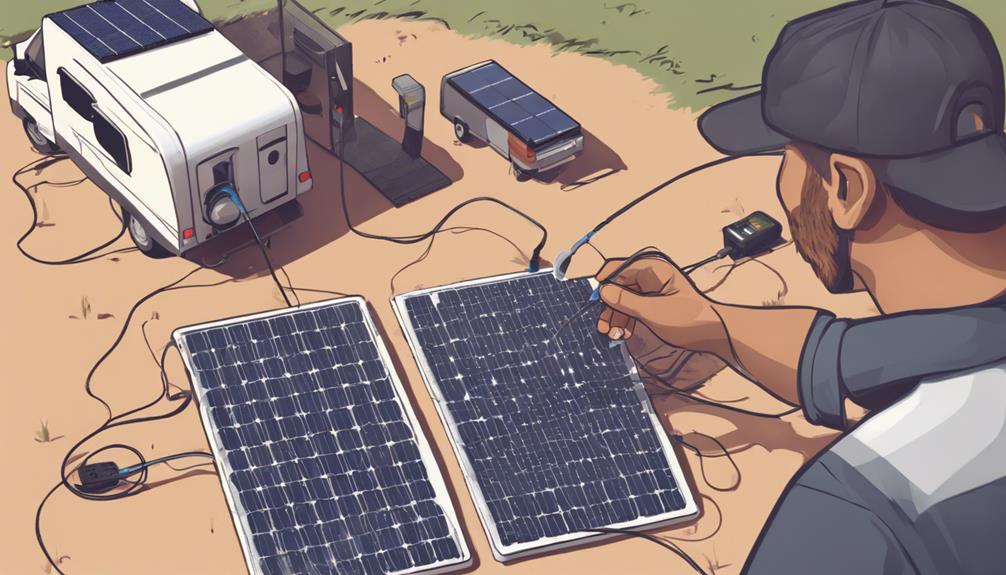
As of July 14, 2026 — Flexible (bendable or thin‑film) solar panels are increasingly practical for powering small toys, wearable gadgets and portable chargers. This guide explains what “flexible” means, recent technology progress, how to pick panels to match batteries and electronics, wiring tips, and safety/environmental caveats.
What “flexible solar panel” means
“Flexible solar panel” (aka flexible module or bendable panel) is an umbrella term for lightweight photovoltaic (PV) products that can conform to curved surfaces. Technologies include thin‑film PV (CIGS, CdTe, a‑Si, organic/OPV), flexible perovskite solar cells (FPSC), roll‑to‑roll printed photovoltaics, and semi‑flexible panels (rigid silicon cells laminated on a bendable backing). Key electrical terms to watch on specs:
- Vmp — voltage at maximum power; Voc — open‑circuit voltage; Imp — current at maximum power.
- MPPT — maximum power point tracking (smart converters that extract more power vs PWM/linear regulators).
How flexible panels differ from rigid panels
Flexible modules trade weight and form factor for some durability and long‑term stability. They typically have a smaller bend radius, lower areal stiffness, and different encapsulation strategies than framed crystalline silicon. Many consumer portable panels are semi‑flexible laminated silicon or thin‑film with integrated regulators for USB output. Expect shorter warranty terms and different degradation behavior compared with rooftop silicon modules.
Recent technology snapshot
Flexible thin‑film technologies have advanced rapidly in the lab. Flexible perovskite and printed cells have posted record efficiencies in the ~20–25% range in recent years, and specific module results were reported in 2023–2025 (research teams at institutions such as Tsinghua and others). For example, a 2024 RSC Journal article reported flexible perovskite results near 22.4%, and Tsinghua teams have publicized flexible perovskite/module records in the mid‑20% range — these are important milestones but do not automatically mean every consumer flexible panel will achieve those numbers or long lifetimes yet (see research links below). Earlier, CIGS flexible cells set durable high marks (Empa reported an 18.7% CIGS cell result in 2011), and printed/roll‑to‑roll manufacturing continues to improve throughput and cost potential.
In short: lab/module efficiencies have improved, but commercialization depends on encapsulation, stability, and scale.
Buying checklist for toys & gadgets (5 quick points)
- Rated power (W) and Vmp/Voc/Imp — choose a panel whose Vmp and wattage match your battery/charger expectations.
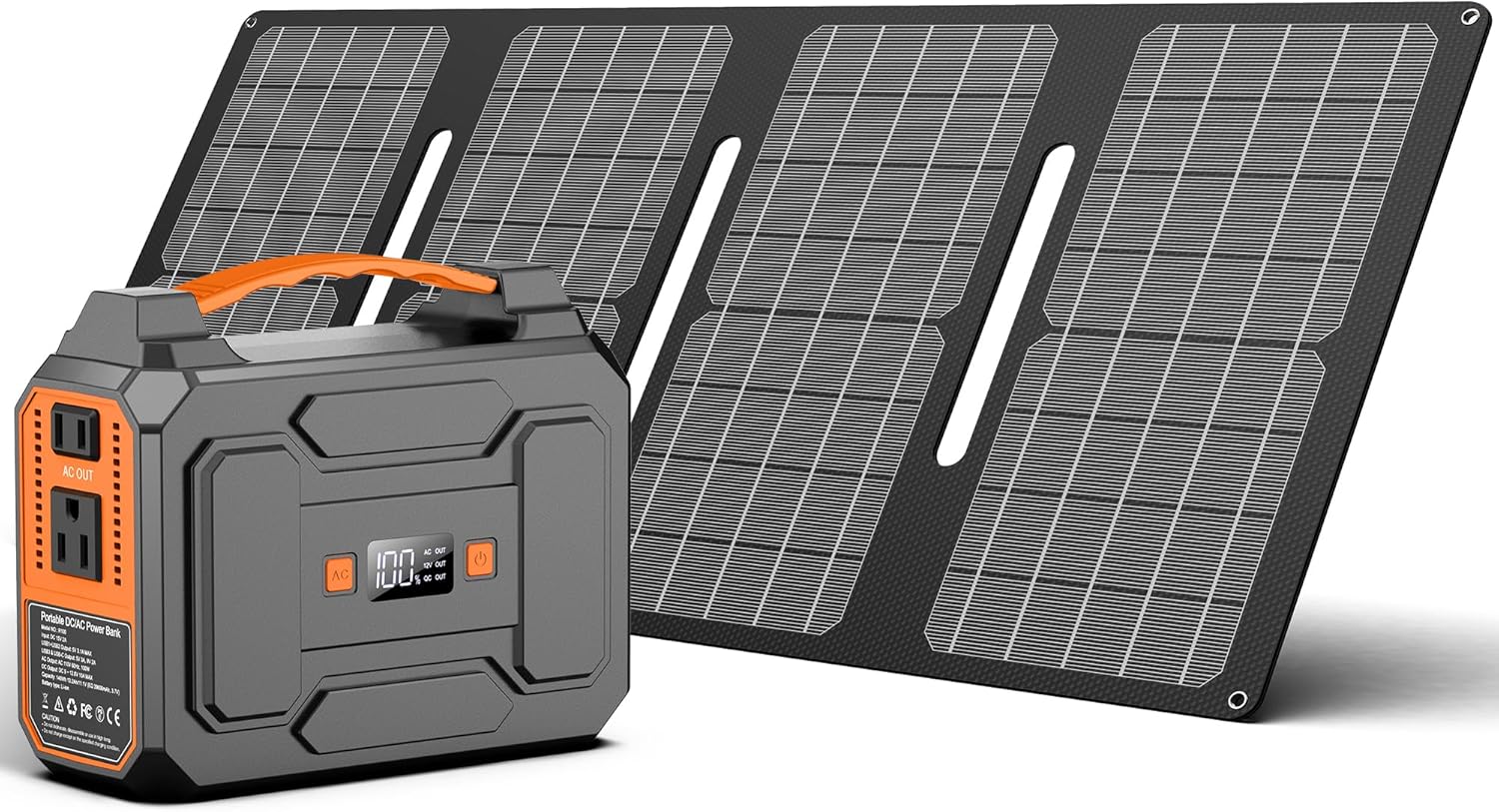
- Integrated regulator or USB output — if charging USB devices directly, buy panels that list a regulated 5 V USB output with current rating (e.g., 1 A).
- IP rating and bend radius — look for water/dust ratings and a stated minimum bend radius or cycle life if you’ll flex it often.
- Durability & tests — ask for manufacturer test reports (TC400‑class for flexible laminates) and warranty terms; flexible panels generally do not promise 25–30 year silicon lifetimes.
- Connector & compatibility — check connectors (USB, JST, bare leads) and whether a solar charge controller or regulator is recommended for battery charging.
Good vendor/spec guidance for USB panels and small consumer packs: https://linksolar.net/de/blogs/guide/usb-solar-panel
Wiring and charging basics (practical advice)
Match panel output to the battery chemistry and charging electronics. Simple rules:
- For direct USB gadget charging: use a panel with a regulated 5 V USB output. Small foldable packs commonly list Voc/Vmp >5 V but include electronics to regulate to 5 V.
- For charging a single 3.7 V Li‑ion cell (1000 mAh): two practical options —
- Use a 5 V regulated USB panel + a solar‑aware Li‑ion charger module (designed for variable input); expect ~0.5–2 W typical from small portable panels in good sun.
- Or use a small panel with Vmp ≈ 6–8 V plus a proper solar Li‑ion charger (MPPT or dedicated solar charging IC). Avoid feeding a TP4056 directly with an unregulated panel — the TP4056 expects a stable ~5 V input and can behave unpredictably with large voltage swings from sun/cloud transients (see TP4056 practical notes).
- Always include a blocking diode or confirm the module has one to avoid battery backfeed into the panel at night.
- MPPT modules recover more power under varied light and may be worth the extra cost for multi‑watt setups; for tiny keychain panels, a regulated USB output or simple charger is usually sufficient.
Example calculation (rule of thumb): usable energy ≈ P_panel × peak‑sun‑hours × system losses (50–70%). So a 2 W panel in 5 peak sun hours might deliver ~5–7 Wh — enough for charging a 1000 mAh (3.7 V) Li‑ion cell roughly once, accounting for conversion losses.
Safety and environmental notes
Emerging high‑efficiency chemistries such as perovskites can contain lead or other materials that require careful encapsulation and end‑of‑life handling. Do not use unencapsulated research samples in consumer toys. Look for RoHS/consumer safety compliance and vendor statements about encapsulation and recycling. Research on perovskite environmental impacts and recycling is active; commercialization includes containment and recycling strategies but unresolved end‑of‑life questions remain for some chemistries.
Typical use cases and expectations
- Classroom toy kits and small STEM projects: low‑power cells or 1–3 V modules; ideal for demos and low‑draw motors.
- Portable USB chargers and wearable strips: regulated 5 V outputs, 1 A or less for small packs.
- RC models and small electronics: use higher‑watt panels and appropriate solar‑aware charge controllers for Li‑ion or LiPo packs.
Future outlook
Near‑term advances will come from roll‑to‑roll printed perovskite and better encapsulation that boosts module lifetime, plus improved recycling pathways. These changes should broaden where flexible panels make sense — but check durability, safety and recycling claims before using cutting‑edge chemistries in toys.
Further reading
- Tsinghua flexible perovskite report (lab/module records): https://www.icon.tsinghua.edu.cn/en/info/1061/1054.htm
- RSC Journal flexible perovskite article (22.43%): https://pubs.rsc.org/pl/content/articlelanding/2024/ta/d4ta03926b
- Empa (CIGS record background): https://www.news.admin.ch/en/nsb?id=39249
- CSIRO news on printed/roll‑to‑roll solar advances: https://www.csiro.au/en/news/All/Articles/2024/March/printed-solar-efficiency-record
- USB/consumer panel buying guidance: https://linksolar.net/de/blogs/guide/usb-solar-panel
- TP4056 practical/parts notes: https://pcbwiki.com/parts/tp4056
- Perovskite environmental discussion: https://www.nature.com/articles/s41560-026-02037-2
If you want, I can produce a compact wiring diagram (panel → blocking diode → solar charge controller → battery → load) and a one‑page buyer’s checklist PDF tailored for a product page.