Hook: Portable solar chargers turn sunlight into usable power for phones, lights and small appliances — useful for camping, travel and emergency kits when grid power is limited.
TL;DR
Solar chargers offer renewable, off-grid power and lightweight portability, but they work best paired with a battery. Expect slower charging than wall outlets, variable output with sun conditions, and wide quality differences across models.
How solar chargers work
At their core, solar chargers use photovoltaic (PV) cells to convert sunlight into DC electricity. A basic setup can be a small folding panel that plugs directly into a device, or a panel paired with a battery pack (a solar power bank) or a portable power station. Modern systems often include an MPPT (Maximum Power Point Tracking) charge controller — a small electronics module that optimizes the panel’s output as light and temperature change — and USB‑PD (USB Power Delivery) ports for faster compatibility with phones and laptops.
Key advantages
Renewable, low-operational emissions
Solar chargers provide electricity from sunlight, producing no direct emissions during use. For activities and emergencies where you’d otherwise run small generators or rely on repeated disposable batteries, solar reduces ongoing fuel needs and related emissions.
Off-grid and emergency backup
Agencies that advise on emergency preparedness commonly list power banks and solar chargers as useful items for outages. A panel plus battery can keep phones, radios and LED lights running when the grid is down — especially valuable for extended outages or in remote areas.
Portability and multiple form factors
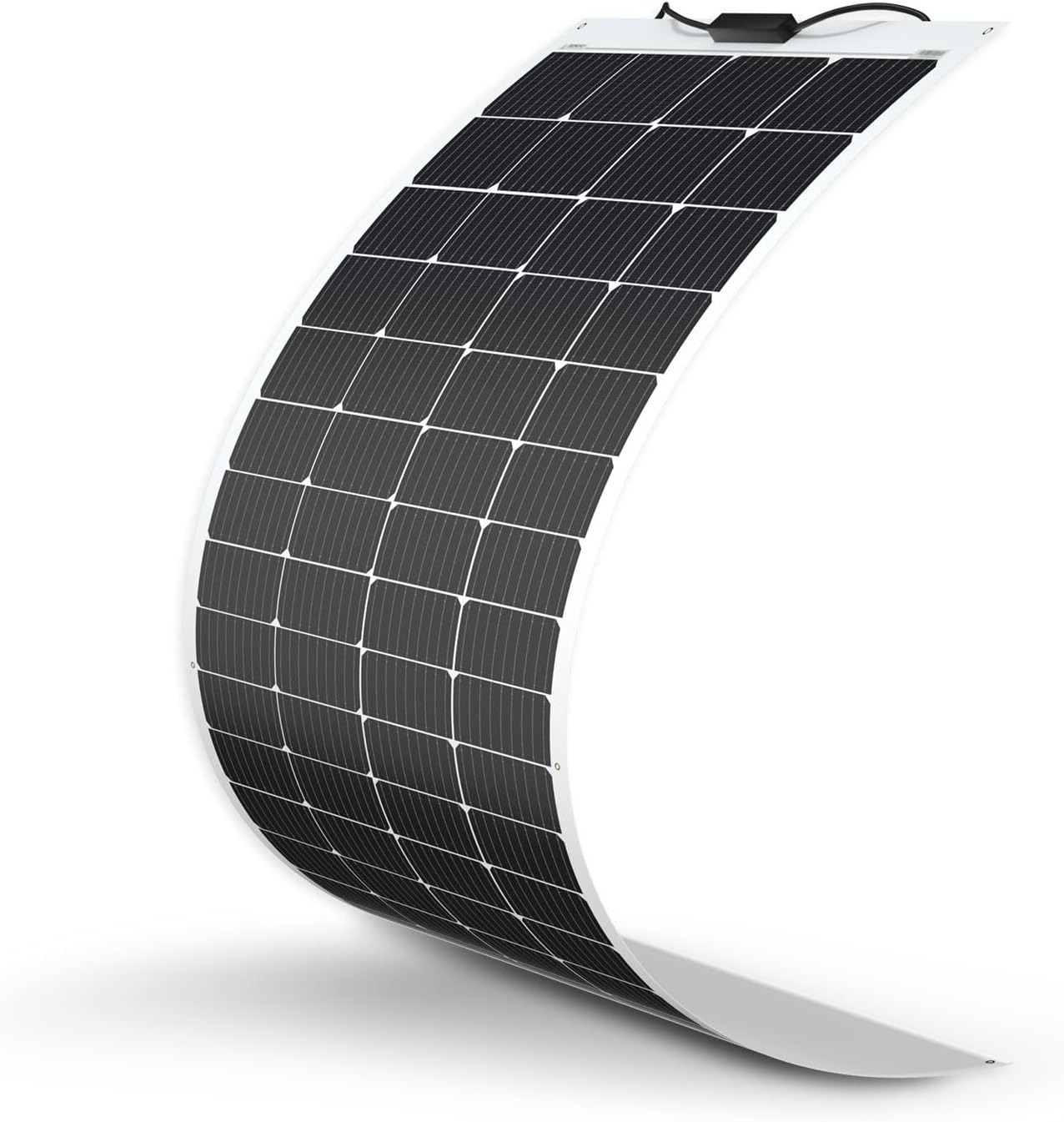
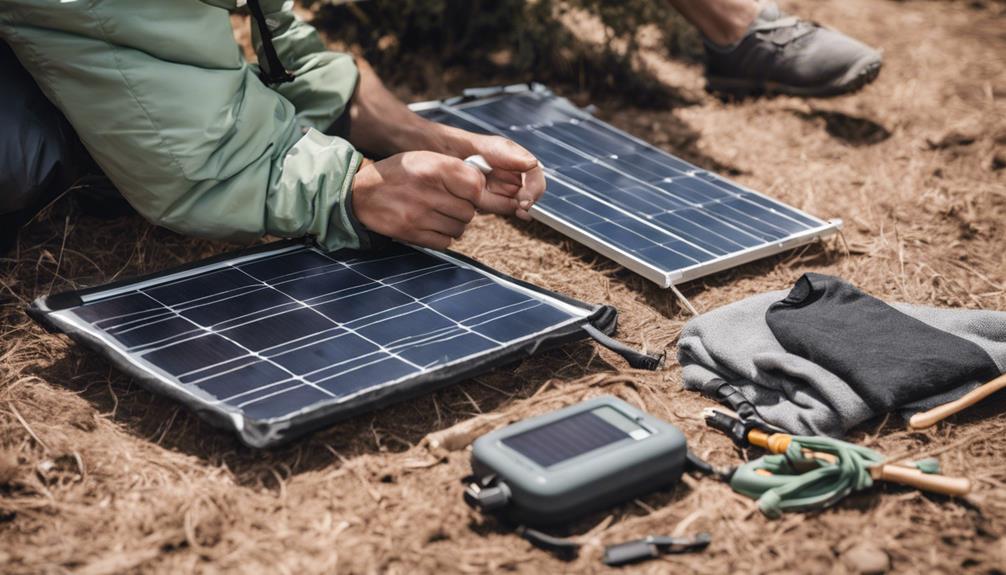
Options range from pocketable solar-equipped power banks and 5–20 W foldable panels for phones, up to 100–400 W foldable arrays designed to recharge portable power stations. Choose the form factor that matches what you want to run and how you’ll transport it.
Lower operating cost
Once purchased, solar panels require no fuel and have minimal maintenance. Over time they can be cheaper than repeated fuel or disposable-battery purchases for low-power uses.
Reduced carbon impact (qualified)
Solar charging typically reduces the carbon footprint compared with fossil‑fuel generators for the same output, though manufacturing and end-of-life impacts still exist. Frame this as lower‑carbon, not zero‑impact.
Real-world limits and what to expect
Solar chargers are sun-dependent: output varies with cloud cover, angle, season and temperature. Even high-quality portable panels usually need hours of direct sun to produce significant energy. Small, low-cost power banks with tiny built-in panels often recharge so slowly from sunlight that they’re impractical as a primary charging method. For reliable service, most users pair a panel with battery storage — the panel harvests energy while the battery provides steady output to devices.
Also, don’t expect parity with wall charging: a typical wall outlet can fill a phone in an hour with USB‑PD; a 10–20 W panel in variable sun may take several hours to deliver the same energy. For larger loads (laptops, refrigerators, CPAPs) you’ll need appropriately sized panels and a power station with MPPT to be practical.
Practical use cases and quick sizing rules
- Day hikes and short trips: a 5–20 W panel or a compact solar power bank can top off phones, GPS and headlamps.
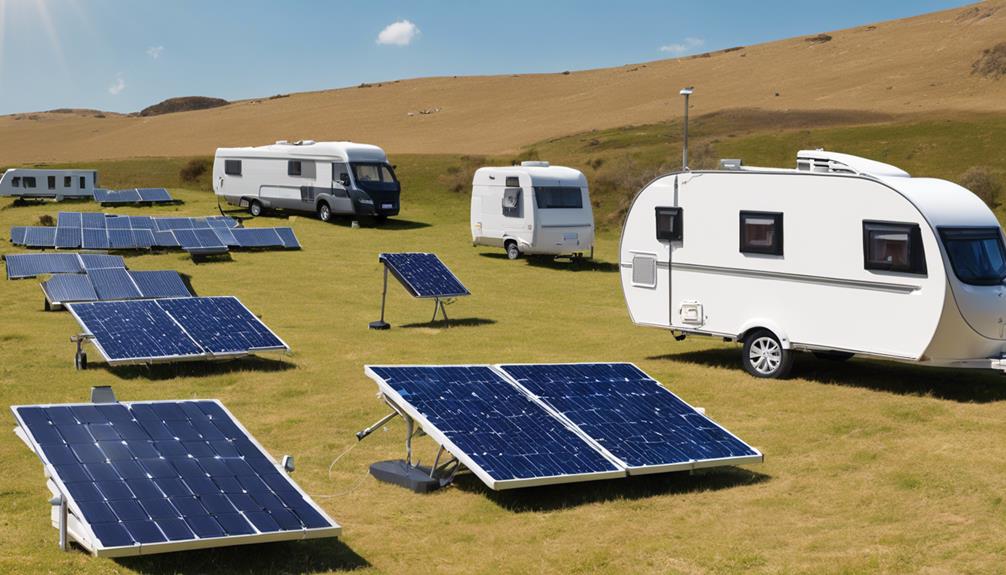
- Car camping and remote work: 50–200 W panels paired with a 300–1,000 Wh power station handle laptops, lights and small appliances.
- Emergency kits: include a solar-capable power bank (charged) plus a foldable panel for extended outages.
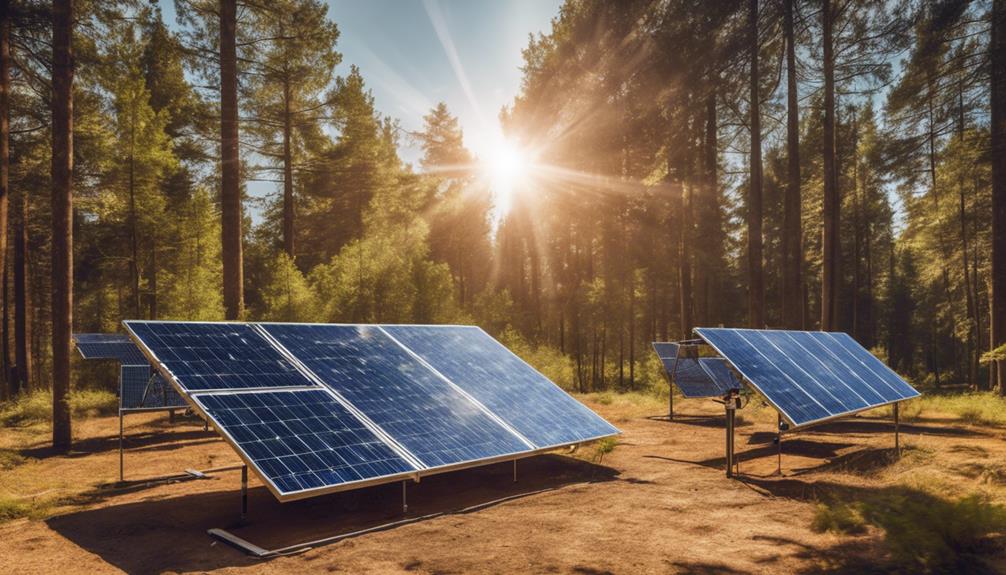
- Long-term off-grid: design a system around daily energy needs — panels sized for average sun hours and a battery bank sized in watt‑hours (Wh) to carry through nights and storms.
Rule of thumb: small devices = 10–20 W panels; recharging larger power stations quickly requires 100 W or more of panel capacity.
Quick buying checklist
- Wattage (panel output): match to device and charging speed needs (e.g., 10–20 W for phones; 100 W+ for power stations).
- Battery capacity (Wh): prefer Wh ratings over mAh for accurate comparisons; larger Wh = more stored energy.
- MPPT presence: MPPT controllers improve harvested energy and are worth it for larger panels/stations.
- USB‑PD / output ports: USB‑PD on power banks/stations allows faster, standardized charging for modern phones and laptops.
- Panel type: monocrystalline panels generally offer higher efficiency than thin‑film for comparable size and weight.
- Weight and packability: balance watts against how you’ll carry the gear.
- Weather protection (IP rating): look for water resistance if you’ll use the kit outdoors in variable conditions.
- Connector compatibility: ensure the panel’s output (e.g., USB, DC barrel, MC4) matches your battery or station input.
- Air travel limits: FAA rules commonly allow lithium batteries under 100 Wh in carry-on; 100–160 Wh typically require airline approval; >160 Wh is generally prohibited in passenger aircraft.
Conclusion and next steps
Solar chargers are a practical, renewable way to keep essential electronics running when you’re off the grid or facing an outage — provided you set realistic expectations. For dependable results, pair a panel with a battery (power bank or power station), prioritize MPPT and USB‑PD if you need speed, and match wattage/Wh to your devices.
Call to action: Compare models by wattage and whether they include MPPT / USB‑PD; pack a charged power bank even if you carry a panel.