Last reviewed: August 1, 2026
When people ask “how much do solar panels cost?” they usually mean the complete rooftop solar photovoltaic (PV) system, not just the modules. Residential solar pricing is normally reported in dollars per watt and as a total installed-system price. Below is a practical guide to current market references, what a quote includes, key cost drivers, battery tradeoffs, financing choices, and how to compare installer offers.
How much do solar panels cost?
The relevant figure is the installed-system price (dollars per watt) for the whole PV system. A recent marketplace reference reported a median residential installed price of $2.48 per watt in the first half of 2025 (EnergySage H1 2025). That number is a market snapshot—your quote will vary with location, roof complexity, equipment, and incentives.
Illustrative examples using $2.48/W (before incentives):
- 6 kW system × $2.48/W ≈ $14,880 before incentives
- 8 kW system × $2.48/W ≈ $19,840 before incentives
- 10 kW system × $2.48/W ≈ $24,800 before incentives
These are illustrative only. National averages and benchmark models from DOE/NREL differ from consumer retail quotes and should not be treated as guaranteed prices (DOE, NREL).
What is included in a solar installation?
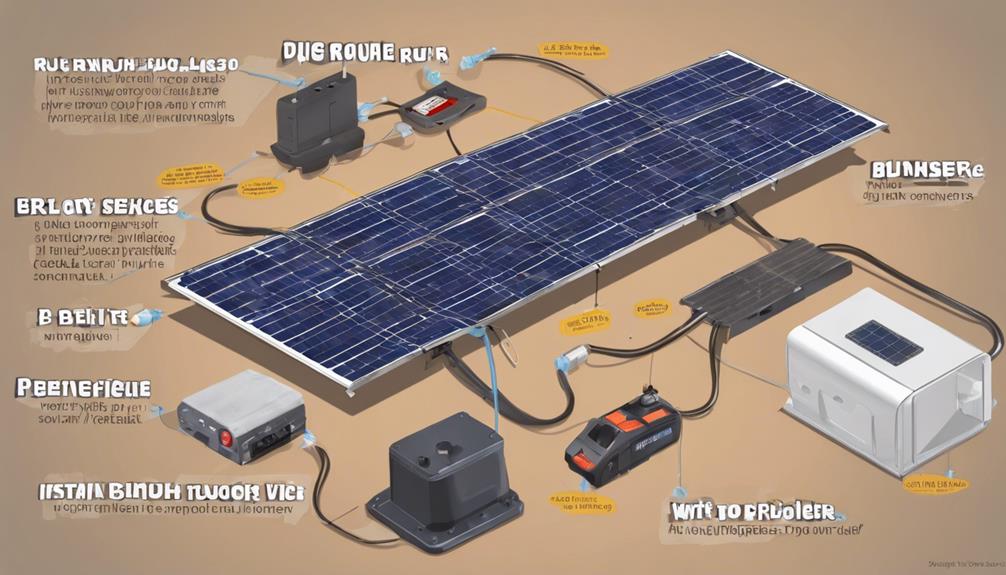
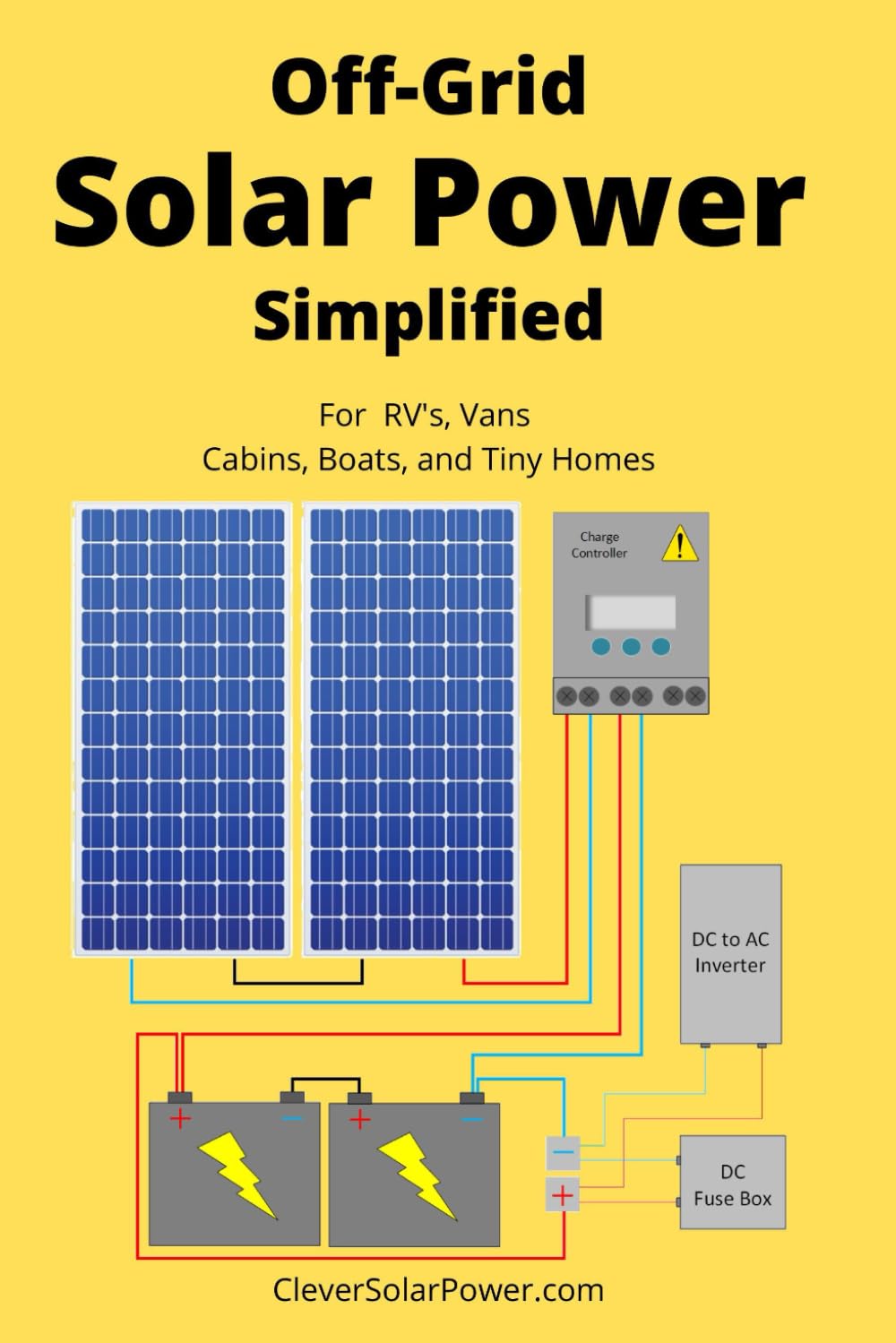
A complete residential quote usually covers:
- PV modules (panels)
- Inverter(s) — string inverter or microinverters
- Racking and mounting hardware
- Wiring, conduit, disconnects, and other electrical equipment (balance of system)
- Labor and fieldwork
- Roof work or structural upgrades (if needed)
- Permitting, inspections, and utility interconnection
- Monitoring and communications
- Sales, design, administration, and contractor overhead
- Optional battery energy storage (ESS) if requested
What affects the cost?
- System size: Larger systems cost more overall but often a bit less per watt.
- Roof condition and complexity: Multiple planes, steep pitch, or an older roof can add labor and materials.
- Shading and orientation: Shading can reduce output and favor microinverters or optimizers, which cost more.
- Balance-of-system and electrical work: Panel-to-inverter distance, panel counts, and upgrades to the main electrical panel matter.
- Local soft costs: Permitting, inspection, sales, and administrative costs are a large portion of residential pricing (DOE notes soft costs can be a major share).
- Incentives and utility rules: Net metering or net-billing rates affect value and payback.
How much does battery storage add?
Batteries are sold separately from a solar-only quote. Storage adds significant upfront cost and changes the value proposition. Typical reasons to add storage:
- Backup power for outages
- Time-shifting solar to high-rate periods
- Avoiding poor export compensation
Whether storage improves financial payback depends on outage risk, local electricity rates and time-of-use pricing, export credits, battery size, and financing. Treat solar-plus-storage as a separate cost line and request separate quotes for solar-only and solar-plus-storage.
Incentives and the federal tax credit
Federal, state, and utility incentives can materially reduce net cost. As of this article’s last review (August 1, 2026), the IRS indicates the Residential Clean Energy Credit is not available for qualifying property placed in service after December 31, 2025. Because federal guidance and program dates have been inconsistent across sources, verify the IRS pages and Form 5695 instructions immediately before deciding, and consult a tax professional for eligibility and filing questions (IRS).
Solar financing options
| Option | Ownership | Upfront cost | Who receives incentives | Main issues |
|---|---|---|---|---|
| Cash purchase | Homeowner | Highest | Homeowner, if eligible | Requires capital, best long-term returns |
| Solar loan | Homeowner | Low–moderate | Homeowner, if eligible | Interest and fees affect savings; watch APR and terms |
| Lease | Third party | Often low | Usually system owner | Escalators, transfer on sale, limited incentives to homeowner |
| PPA | Third party | Often low | Usually system owner | Pay-per-kWh, contract length, rate escalators |
The CFPB warns of loan markups and prepayment risks tied to expected tax credits—compare full loan costs and fine print (CFPB).
How long until solar pays for itself?
Payback = (Net installed cost after incentives) ÷ (Annual dollar savings). Because inputs vary widely, use a local production estimate, current utility rates, and financing costs to model payback. Example (hypothetical): if your net cost is $12,000 and annual bill savings are $1,200, simple payback is about 10 years. Replace assumptions with your local numbers and anticipate inverter replacement and modest annual degradation (~0.5%/year typical median per NREL) when modeling lifetime savings.
How to compare installer quotes
Request at least three written proposals and compare:
- System size in kWdc and estimated annual production (kWh)
- Cash price before incentives and net price after assumed incentives
- Equipment brands/models and inverter type
- Battery size and usable capacity (if included)
- Warranties and performance guarantees
- Loan APR, fees, and total payments (if financing)
- Permitting, interconnection, and who is responsible for follow-up
- Production guarantees, cancellation terms, and transfer terms on sale
Is solar worth it?
Solar can be financially attractive where net installed costs are low relative to local electricity prices, sunlight is favorable, and export compensation or incentives are strong. It may be less attractive where roofs need replacement, shading is significant, financing is expensive, or exported generation receives little credit. Community solar or other non-rooftop options may be better for renters or unsuitable roofs (DOE).
FAQ — short answers
- Average cost? See the illustrative $2.48/W reference (EnergySage H1 2025); your quote will vary.
- Is solar priced per panel or per watt? Mostly per watt (installed-system price); panels are a component.
- Are batteries included? No—request separate solar-only and solar-plus-storage quotes.
- Will solar eliminate my electric bill? Not necessarily; utility charges and export rules still apply.
- Are federal tax credits available? Check the IRS guidance and Form 5695; as of August 1, 2026, the Residential Clean Energy Credit is not available for property placed in service after Dec 31, 2025.
Warning: Incentives, utility compensation, permitting rules, and tax law change frequently and vary by location. Verify current federal guidance and local rules before signing a contract and consult a tax professional for credit eligibility.