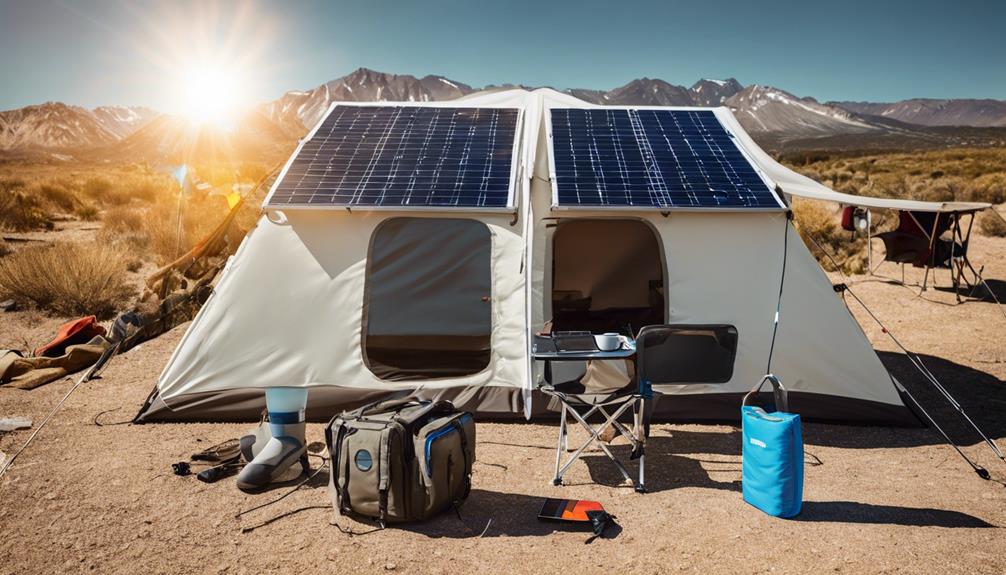
What are solar panels?
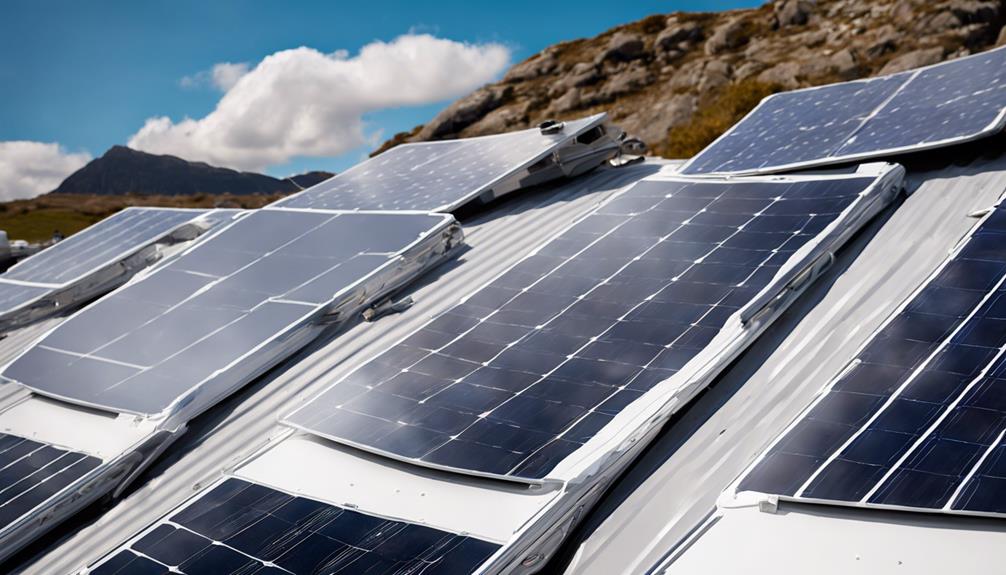
“Solar panels” is the common name for a PV module — the assembled unit of solar cells that turns sunlight into electricity. A solar photovoltaic system (PV system) converts sunlight directly to electrical power (solar-electric). This is different from solar-thermal collectors, which capture sunlight as heat for water or space heating, and from concentrating solar power (CSP), a utility-scale approach that focuses sunlight with mirrors to produce heat and steam.
How photovoltaic panels generate electricity
Solar PV cells are semiconductor devices (most commonly silicon) that respond to sunlight. Sunlight contains photons; when suitable photons are absorbed by a PV cell they transfer energy to electrons and create a direct-current (DC) flow. Modules combine many cells; modules are wired together into a PV array for larger output. An inverter converts the panels’ DC electricity into alternating current (AC) for household circuits and for interacting with the utility grid.
Quick note on units: system size is often expressed in kilowatts (kW) — the electrical capacity of the array — while energy production or household use is measured in kilowatt-hours (kWh) — the amount of electricity produced or consumed over time.
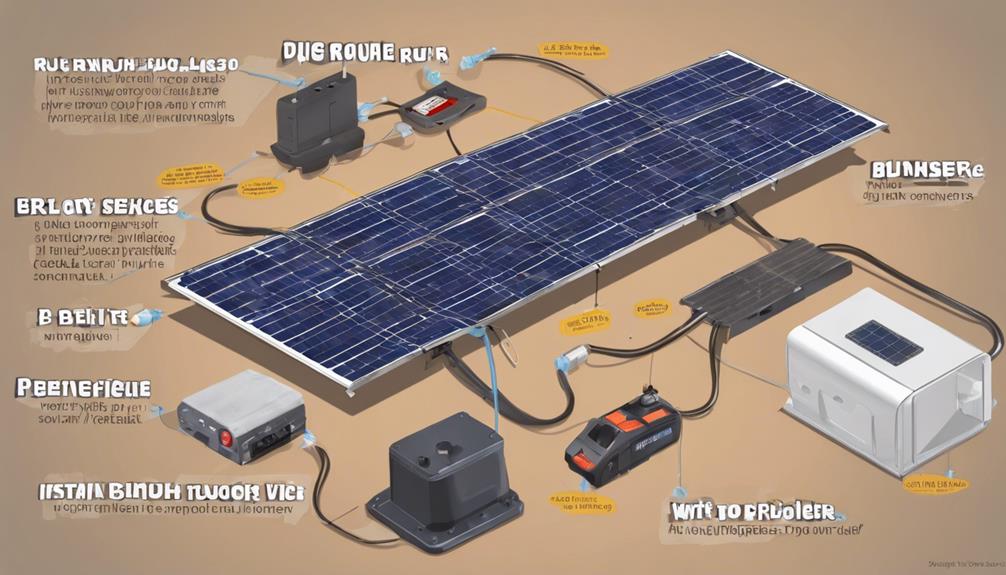
Main parts of a residential PV system
- PV modules (solar panels): the panels mounted on the roof or ground.
- Mounting and racking: hardware that secures modules and sets tilt and spacing.
- Inverter(s): string inverter or microinverters convert DC to AC.
- Wiring, disconnects, and protection: electrical components to route and protect power.
- Monitoring equipment: software or meters that report production and faults.
- Utility interconnection equipment: meter upgrades or relays required for safe grid connection.
- Optional battery energy storage system: stores electricity for later use or backup power.
Common panel types (brief)
- Monocrystalline silicon: high efficiency and uniform appearance.
- Polycrystalline silicon: made from multiple silicon crystals; historically common.
- Thin-film PV: uses thin semiconductor layers; can be useful in specific applications but varies in power density.
Panel type is one of several factors; system design, available roof area, shading, warranties, and installer quality often matter more than cell technology alone.
What affects how much electricity panels produce?
Production depends on sunlight available at the site and many installation details:
- Sun angle, latitude, and season
- Roof orientation and tilt (south-facing often gives strong annual output in the Northern Hemisphere, but other orientations can work)
- Shading from trees, chimneys, or nearby buildings
- Local weather and temperature (panels often lose some efficiency at high temperatures)
- System size (kW), inverter limits, and degradation over time
Do panels work during a power outage?
Most grid-tied PV systems are designed to shut down automatically during a utility outage to protect line workers. A grid-connected system will not provide power during an outage unless it includes a properly configured battery energy storage system and transfer equipment or has an approved backup inverter/critical-load setup. Batteries are optional and must be sized and installed to support the loads you want kept on during outages.
Is my home suitable for solar?
Suitability depends on roof condition and age, structural capacity, available unshaded area, electrical service, local permitting, and utility interconnection rules. Ground mounts, carports, or other structures can be alternatives if the roof is unsuitable. A qualified installer should evaluate your specific site rather than relying on generic rules of thumb.
Options for renters and apartment residents
If you cannot put panels on your building, community solar (shared solar) projects or building-level installations may let you receive some or all of the financial benefits or bill credits from off-site or shared arrays. Program availability, rules, and savings vary by state and utility.
Maintenance, lifespan, and end-of-life
PV modules have few moving parts and typically require limited maintenance: keep arrays reasonably clean, trim shading vegetation, and monitor performance. Modern panels commonly have expected operating lives measured in decades; estimates often cite ranges like about 20–35 years depending on product, climate, and installation quality. Module output gradually declines (often around 0.5% per year on average, though rates vary). Plan for inverter replacement, possible battery end-of-life, and recycling or disposal of components when appropriate.
Benefits and limitations
| Benefits | Limitations |
|---|---|
| Reduces purchased electricity, lowers on-site emissions during operation, can increase energy independence | Variable production, upfront cost, roof or site constraints, and local utility compensation rules affect value |
Questions to ask before installing
- What annual production (kWh) should I expect, and how was it estimated?
- What is the total installed cost and available financing or incentives in my area?
- Who will own the system — me, a lender, or a third party — and how does ownership affect savings?
- What warranties apply to panels, inverters, and workmanship?
- Do I need a roof replacement before installation?
- How does my utility handle exported energy or net metering?
- If I want backup power, what battery size and configuration are recommended?
- Is the installer licensed, insured, and responsible for permits and interconnection paperwork?
Conclusion
Solar PV is a site-specific electrical investment rather than a one-size-fits-all product. It can reduce grid electricity purchases and lower operational emissions, but production varies with location, roof characteristics, system design, and utility rules. Get a professional site assessment, compare proposals, and verify warranties and interconnection terms before proceeding.