The “hybrid car” analogy — misleading in one way, useful in another
Some critics have called Nevada Solar One a “hybrid” between solar and fossil fuel, implying that natural gas is the plant’s real engine while sunlight is a secondary assist. That characterization overstates the role of natural gas. Nevada Solar One is a concentrating solar-thermal (CSP) power plant whose primary thermal input is sunlight, with limited auxiliary natural-gas support for startup and short-term backup. The useful question is not whether any fossil fuel is present, but how much of the plant’s delivered heat and electricity is driven by solar thermal energy versus auxiliary gas.
What Nevada Solar One is — basic facts
Located near Boulder City in southern Nevada, Nevada Solar One began commercial operation in 2007 as a parabolic-trough CSP facility. It was developed to generate electricity by collecting concentrated solar heat and converting that heat into steam for a conventional turbine-generator. Owner/operator information currently identifies Acciona as the owner and NV Energy as the electricity offtaker under long-term contracts. Public records show a reported connected capacity of roughly 64 MW from the owner, while some databases cite a 72-MW nominal rating — a discrepancy that reflects different reporting conventions for nameplate versus updated or nominal capacities, not a change in how the plant operates.
How a parabolic-trough CSP plant makes electricity
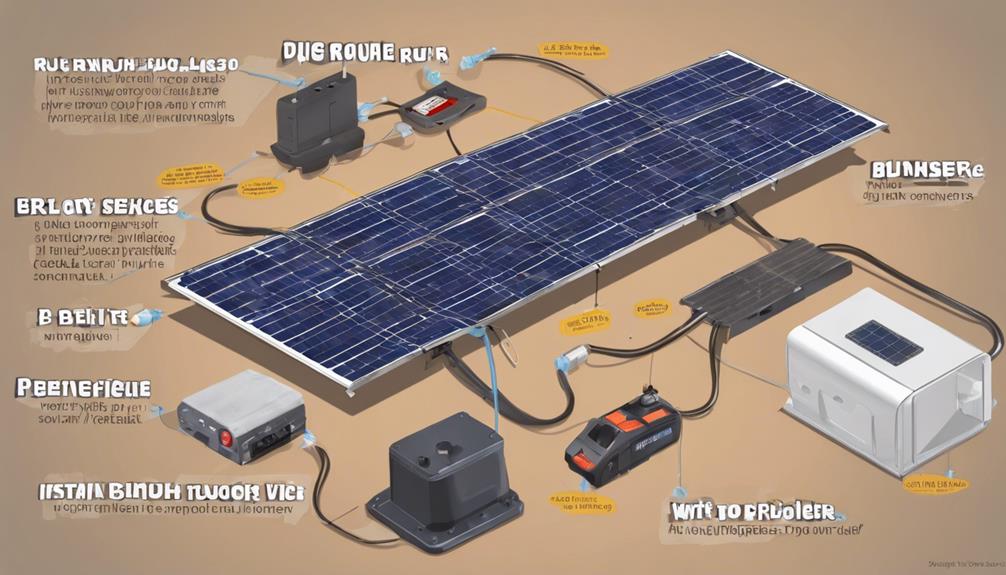
Key stages of Nevada Solar One’s process:
- Collector field: Long, curved parabolic trough collectors track the sun and focus sunlight onto receiver tubes along each trough’s focal line.
- Heat-transfer fluid: An organic thermal oil circulates through the receiver tubes, absorbing concentrated solar heat. This fluid can be heated to hundreds of degrees Fahrenheit before it transfers heat to a power block.
- Steam cycle and turbine: The hot fluid delivers heat to a heat exchanger or steam generator, producing steam that drives a conventional steam turbine and electrical generator.
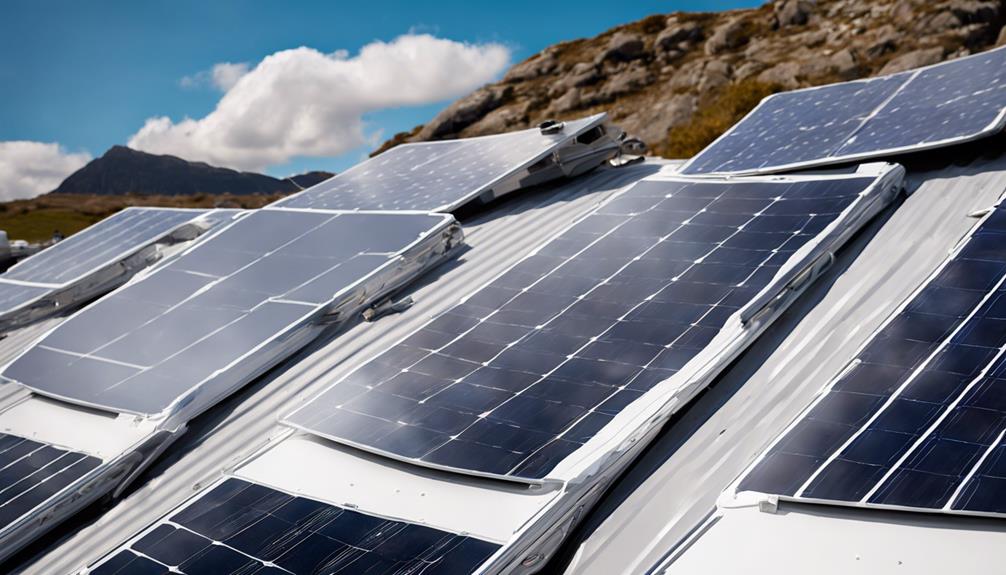
This is fundamentally different from photovoltaic (PV) systems, which convert sunlight directly to electricity at distributed modules. CSP collects thermal energy over a large field and feeds a centralized steam cycle.
Where natural gas fits in
Nevada Solar One includes auxiliary natural-gas systems, but technical descriptions indicate these are for startup, heat-preservation, and limited backup when solar heat is insufficient. That auxiliary role is distinct from being the primary source of thermal energy. Available plant-level studies and reviews suggest the solar system supplies the bulk of operating heat, while natural gas is a supplementary input—useful for reliability and smooth operation but not the main fuel driving the turbine under normal sunny conditions.
Because operational mixes can vary by day and season, it is appropriate to describe Nevada Solar One as a “solar-thermal facility with limited natural-gas assistance,” rather than a gas-fired plant with a solar add-on.
Capacity, generation, and capacity factor — three different things
It’s important to separate:
- Nameplate (rated) capacity: the plant’s maximum instantaneous electrical output under standard conditions (reported as ~64–72 MW for Nevada Solar One depending on source).
- Annual generation: the total electricity produced in a year (measured in MWh or GWh), which depends on sunlight, weather, and operations.
- Capacity factor: the ratio of actual annual generation to the theoretical maximum if the plant ran at nameplate capacity every hour of the year.
Because CSP output varies with solar resource and operational strategy, nameplate capacity does not tell you how much energy the plant produces over a year. That distinction also matters when comparing an older CSP plant to modern solar-plus-storage projects designed for longer dispatch periods.
Intermittency, storage, and modern comparisons
Nevada Solar One was built without the large molten-salt thermal storage systems that later CSP projects sometimes include. Its electricity output is therefore closely tied to daylight hours and solar resource availability. That does not mean the facility only runs at midday—solar heat can be captured across broader daylight periods—but it does mean the plant lacks the round-the-clock dispatch capability that CSP plants with substantial thermal storage or solar paired with batteries can provide.
Comparing Nevada Solar One to today’s large-scale solar-plus-battery installations is useful for understanding changing grid roles, but it’s also important to judge Nevada Solar One as an early commercial CSP deployment from 2007 rather than by the standards of 2025-era technology.
Land, scale, and tradeoffs
National project records list the plant’s power-station land area at roughly 1.6 square kilometers (about 0.6 square miles). CSP plants require substantial collector fields because they concentrate diffuse sunlight over a broad surface instead of converting light locally as PV does. Tradeoffs include land footprint, operational water and maintenance needs, auxiliary fuel use, and the centralized nature of the steam cycle.
Reassessing the critique
Valid points from earlier criticism include that CSP output is variable and that auxiliary systems can introduce fossil-fuel use. Inaccurate or overstated points include labeling Nevada Solar One primarily gas-fired or repeating unverified land-area or “third-largest” claims. Evidence supports calling Nevada Solar One a solar-thermal plant with limited natural-gas support—not a fossil-powered plant masquerading as solar.
Conclusion
Nevada Solar One is genuinely a solar power facility in that sunlight provides the primary thermal input for its steam cycle. At the same time, auxiliary natural-gas systems are part of the plant’s operational toolkit, so it is not strictly fossil-free during all operating conditions. Evaluating the plant fairly means recognizing its 2007-era CSP design, its role in Nevada’s evolving electricity mix, and both the benefits and limits of concentrating solar-thermal technology compared with modern solar-and-storage approaches.