Residential solar photovoltaic (PV) systems convert sunlight into electricity that can power a home. A complete solar electric system includes panels (modules), mounting hardware, an inverter, wiring and safety equipment, permits, and often monitoring. Solar can reduce the electricity you buy from the utility, but whether it is a good fit depends on your roof, local utility rules, financing, and goals.
How home solar panels work
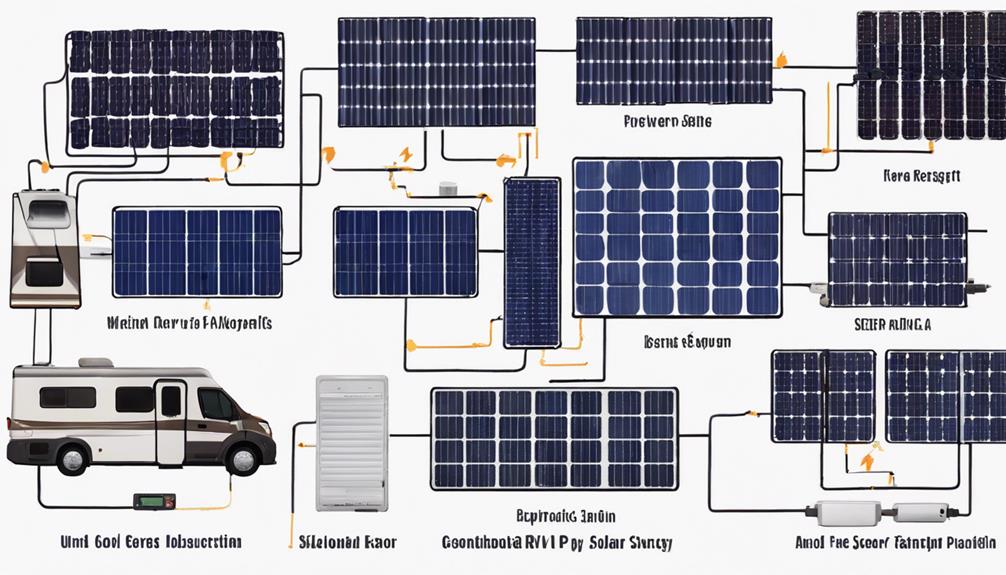
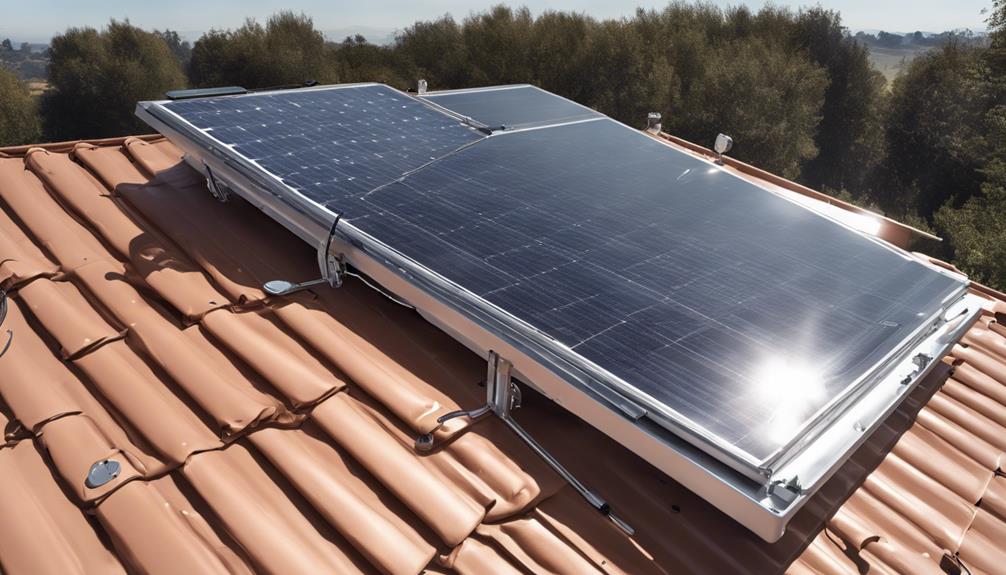
PV cells inside modules turn sunlight into direct current (DC) electricity. An inverter converts DC to alternating current (AC) that your household appliances use. Multiple panels form an array. A grid-tied system normally uses solar power in the home first and sends any excess to the grid according to utility rules.
Common inverter types are string inverters (serve groups of panels) and microinverters (installed at each panel). Power optimizers are panel-level electronics that work with a string inverter to improve output where shading or orientation varies.
Solar production varies by time of day, season, weather, shading, roof orientation and tilt, soiling, and system design. Tools like NREL’s PVWatts can give an initial production estimate, but modeled results include assumptions and are not a site-specific guarantee.
Is your home suitable for solar?
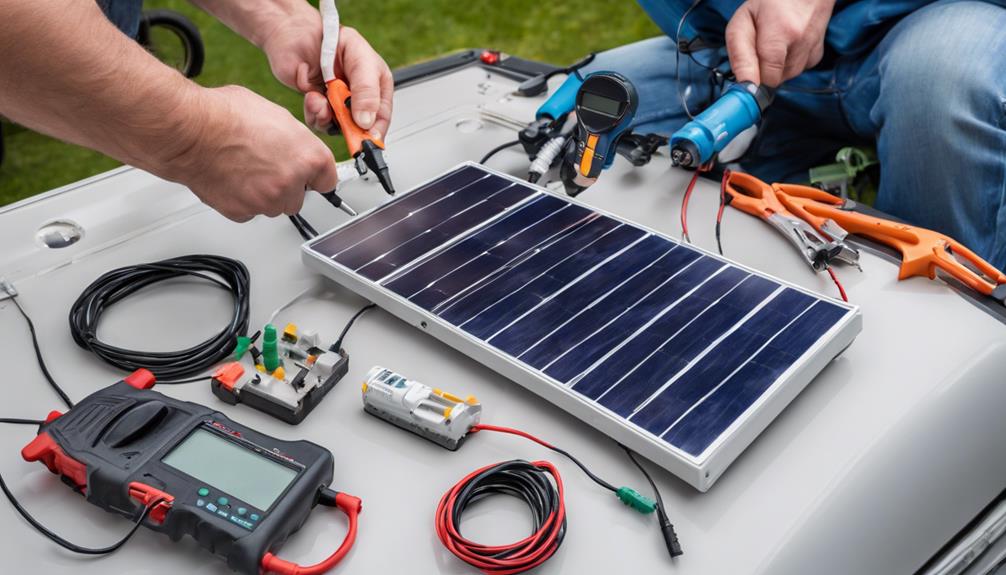
A professional site evaluation should consider:
- Roof age, condition, structure and remaining service life.
- Orientation, tilt and usable area; shading from trees, chimneys or nearby buildings.
- Local sunlight and weather patterns.
- Current and expected electricity use (EV charging, heat pumps, etc.).
- Electrical-panel capacity and whether upgrades are needed.
- Local building, fire, zoning, and utility interconnection requirements.
If a roof is unsuitable, alternatives include a ground-mounted system or subscribing to community solar.
What happens to excess electricity?
When your panels produce more than your home uses, the surplus may be exported to the grid. How you are credited for exported electricity depends on your utility and state. Programs include full retail credit, reduced credits, avoided-cost compensation, or other net-billing arrangements. These export-compensation rules materially affect savings, so request your specific utility tariff rather than relying only on an installer’s projection.
Do solar panels work during a power outage?
Most standard grid-tied solar systems automatically shut down during a grid outage for safety (this prevents islanding). Panels alone do not provide outage power. Backup requires additional, compatible equipment:
- A battery energy-storage system sized by battery capacity (kWh) and power rating (kW).
- An inverter or hybrid inverter configured for islanding and backup.
- Automatic transfer or isolation equipment and a plan for which circuits receive backup (critical loads).
Battery-backed systems can power selected circuits for limited periods. Battery capacity and power limits determine how long and how many appliances can run.
How much do home solar systems cost?
Costs vary by system size, roof complexity, electrical upgrades, permitting, storage, labor, and location. Avoid national price claims; instead compare full written proposals that show total contract cost and modeled production. Look at the cost per expected annual kilowatt-hour generated rather than price per panel alone.
Ways to pay for solar
- Cash purchase: You own the system and are eligible for owner-based incentives, but you pay upfront.
- Solar loan: You own the system while repaying a loan; terms affect total cost.
- Lease: A company owns the system and you pay a regular fee; read transfer and maintenance terms carefully.
- PPA (power purchase agreement): A third party owns the system and sells you the electricity produced at an agreed price per kWh.
Third-party ownership can complicate home sales or refinancing because contracts may require transfer, buyout, or termination.
Federal, state, and utility incentives (important date)
Be aware that the federal Residential Clean Energy Credit (Section 25D) was not available for expenditures made after December 31, 2025. Previously, qualifying projects could receive a credit, subject to IRS rules, but that federal credit terminated for installations completed after that date. The IRS generally treats an expenditure as made when the installation is completed, not merely when equipment is bought or a contract is signed. State, local, and utility incentives vary by location and change over time—check current official program pages and consult a tax professional for advice.
How to choose an installer
Ask for multiple detailed written proposals and compare:
- Exact panel, inverter, racking and battery models.
- Modeled annual production and the assumptions behind it.
- Who handles permits, inspections, utility interconnection, and inspections.
- Equipment warranties versus workmanship or installation warranties.
- Maintenance responsibilities, monitoring, and repair response times.
- Complete contract terms: payment schedule, escalation clauses, transfer and early-termination rules, and lien language.
Solar scams and red flags
- Claims of “free solar” or government payment for your entire system.
- Pressure to sign immediately or to pay by cash/wire.
- Unclear financing, undisclosed contract terms, or missing equipment details.
- Impersonation of government or utility representatives.
Questions to ask before signing
- Who will own the system and any renewable energy credits (RECs)?
- What is the expected annual production, and what are the assumptions?
- Who pays for repairs and roof penetrations or replacements?
- What happens if production is lower than projected?
- Are batteries included, and if so what are the kWh and kW ratings and warranty?
- How are interconnection and export compensation handled with my utility?
- What are cancellation, early-termination, and transfer terms if I sell the home?
Conclusion and next steps
Solar PV can lower the electricity you buy and add resilience when paired with storage, but it is a site-specific and contract-sensitive decision. Get several proposals, confirm utility export rules and permits, review warranties and ownership of RECs, and consult qualified local professionals for tax, legal, and permitting questions before signing.
Disclaimer: This article is educational and not tax, legal, or financial advice. For questions about taxes, incentives, interconnection, or contract terms, consult a qualified professional and your local utility.