Current as of 17 August 2026. This guide explains what solar photovoltaic (PV) means for households and small businesses in the Republic of Ireland, how PV generates electricity, what affects output, the financial and regulatory landscape, and how to choose a suitable installer and system.
What “solar PV” means in Ireland
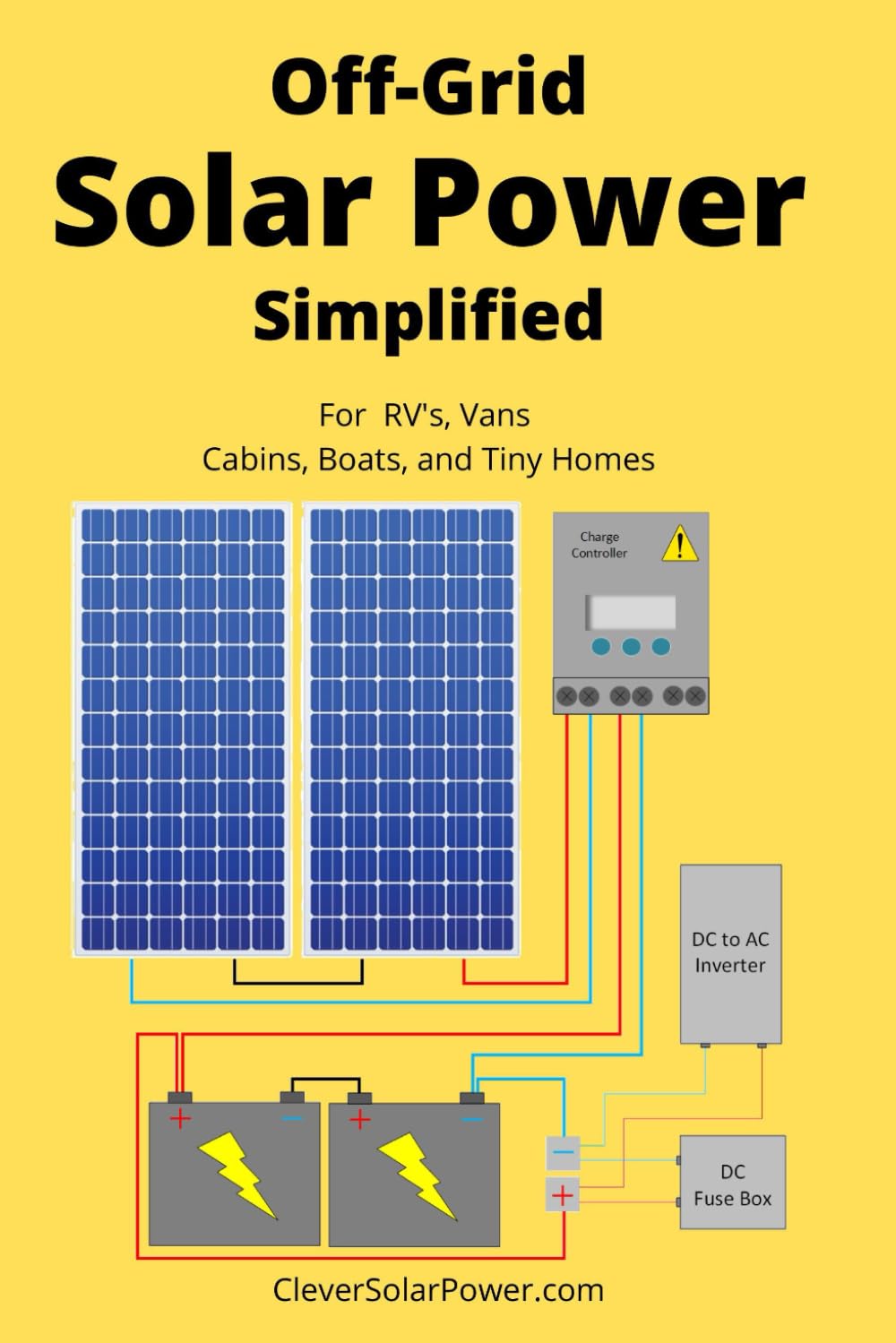
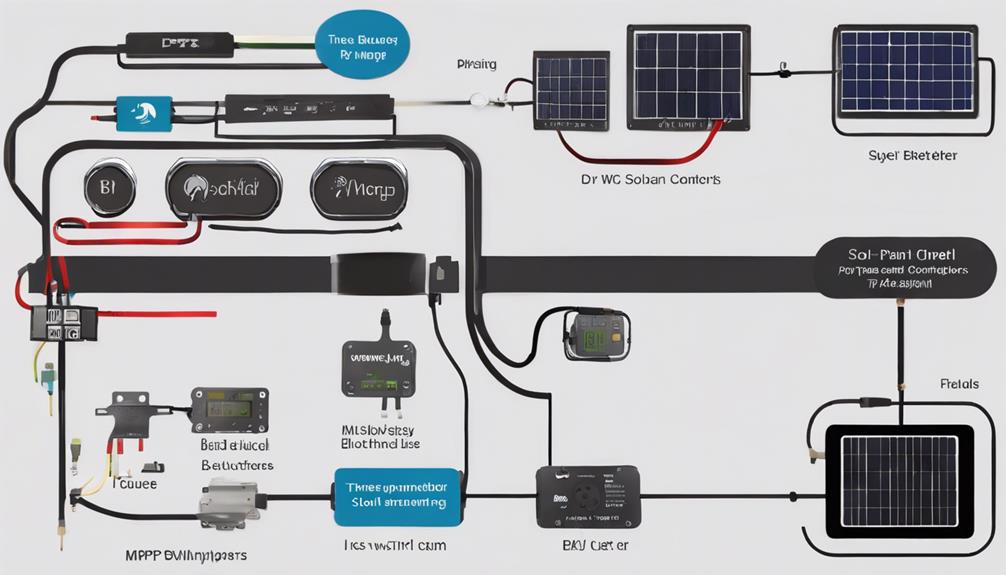
Solar PV panels convert daylight into electricity for use in your home or business. This is different from solar thermal (solar water heating), which produces hot water. Solar PV systems include PV modules (panels), an inverter to convert DC to AC, mounting hardware and optional battery storage or an immersion diverter for hot water.
How solar PV works — the basics
PV cells—normally silicon—turn light into direct current (DC) electricity. The inverter converts DC into household alternating current (AC). Systems produce electricity in daylight and also on overcast days, though at reduced output. In Ireland, generation is seasonal: a large share of annual output typically occurs between late spring and early autumn.
How much electricity can a system produce?
System capacity is rated in kilowatt-peak (kWp). Actual annual generation depends on many factors, including:
- kWp installed and panel/inverter specifications
- roof orientation and pitch (south-facing tends to give the highest annual yield; east/west can better match morning or evening demand)
- shading from trees, chimneys or neighbouring structures
- available roof area and mounting angle
- location in Ireland and seasonal variation (SEAI notes most output occurs in May–September)
- household or business electricity demand and when it occurs
A professional site survey is needed for realistic generation estimates—avoid quotes that promise fixed outputs without a survey.
Using, storing and exporting solar electricity
Saving on your electricity bill comes mainly from using generation on-site (self-consumption). Surplus electricity can be:
- exported to the grid (eligible exports may receive supplier payments under the Clean Export Guarantee—rates and arrangements are supplier-specific)
- stored in a battery for later use (batteries raise self-consumption but add capital cost and have charging/discharging losses)
- diverted to a hot-water immersion via a diverter device (often a lower-cost way to use surplus generation)
Compare assumptions about self-consumption, battery costs and export payments when modelling savings. Export compensation is separate from the value of avoided imports and is not necessarily the retail electricity price.
SEAI grant, VAT and payments (important details)
The SEAI domestic Solar PV Grant (Microgeneration Support Scheme) is available in 2026. Typical grant structure:
- €700 per kWp for the first 2 kWp (up to €1,400)
- €200 per kWp for each additional kWp up to 4 kWp
- Maximum grant: €1,800
Grant approval must be obtained before work begins. Eligible applicants usually need an MPRN and homes built/occupied before 2021 may qualify—check SEAI’s current conditions. VAT treatment depends on whether the supply is a supply-and-install contract or supply-only; supply-and-install on private dwellings can qualify for zero VAT in some cases but verify with Revenue.
Grid connection, planning and compliance
Small domestic microgeneration typically uses ESB Networks’ NC6 notification route; larger installations may use NC7 or other processes. Since 2025, ESB Networks expects low-carbon devices to be on its Low Carbon Technology Register or supported by compliance documentation—your installer should handle the connection paperwork.
Domestic rooftop PV is often exempt from planning permission, but exemptions have conditions and exceptions (protected structures, conservation areas, certain sites). Confirm unusual installs with the local planning authority.
Choosing an installer and comparing quotes
For grant eligibility and safe installation you should:
- Use an SEAI-registered Solar PV company and a Safe Electric Registered Electrical Contractor (REC) for electrical work.
- Obtain several written quotes based on annual electricity consumption (not just “X panels”).
- Ask for a written contract, references, product datasheets, commissioning report and monitoring options.
- Check that inverters and other equipment meet ESB Network requirements and, where applicable, appear on the Low Carbon Technology Register or have the required compliance documentation.
- Confirm roof condition, scaffolding needs, warranty terms (modules, inverter, workmanship) and expected maintenance.
Environmental and practical limitations
Solar PV produces electricity without on-site combustion and is lower-emission over its operating life compared with fossil generation, but manufacturing, transport and disposal have environmental impacts. Systems typically have long service lives, but warranties and performance vary—ask for product and workmanship warranty details.
Before you sign — a short checklist
- Review 12 months of electricity bills to size the system around consumption patterns.
- Get a roof survey and shading analysis.
- Confirm SEAI grant approval before any work starts and note MPRN and eligibility requirements.
- Verify installer is SEAI-registered and that the electrical work will be done by a Safe Electric REC.
- Ask about NC6/NC7 notification, export metering, inverter location and replacement costs.
- Compare battery options separately from PV to see if economics match your goals.
Conclusion
Solar PV can be a sensible choice for many Irish homes and small businesses, reducing grid imports and providing renewable electricity. The right outcome depends on roof suitability, household demand, grant eligibility, correct permitting and a qualified installer. Recheck SEAI, ESB Networks, CRU and Revenue guidance immediately before committing, and obtain multiple written quotes to make an informed decision.
Key official sources: SEAI (seai.ie), ESB Networks (esbnetworks.ie), CRU (cru.ie) and Revenue (revenue.ie).