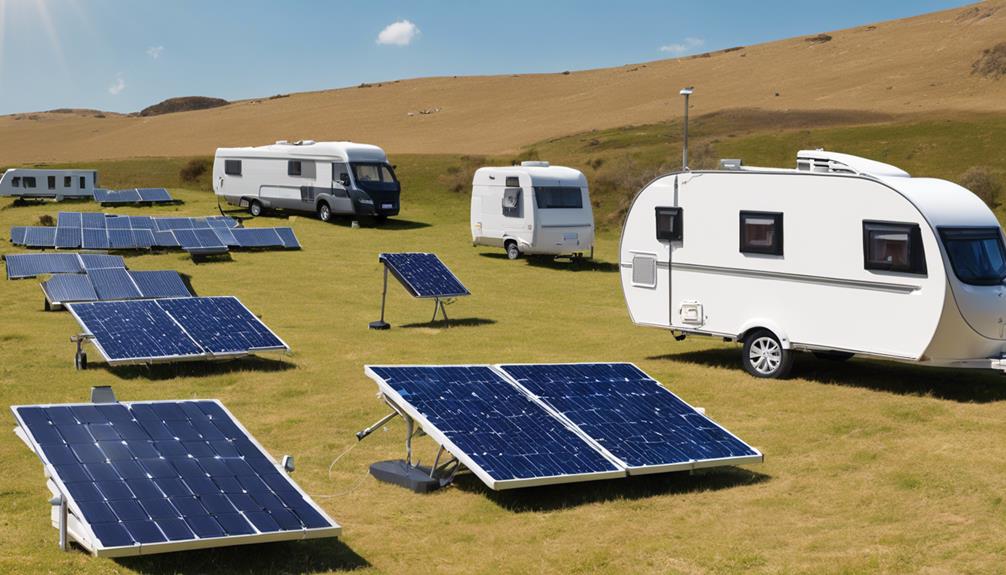
“DIY solar panels” can mean different things. For most homeowners shopping today it means buying commercially manufactured PV modules and assembling a complete system yourself or with limited subcontracted help—not fabricating panels from loose cells. A residential photovoltaic (PV) system is both an electrical and structural project: panels are only one part of a system that must meet local building codes, electrical safety standards, and utility interconnection rules.
What “DIY solar panels” commonly refers to
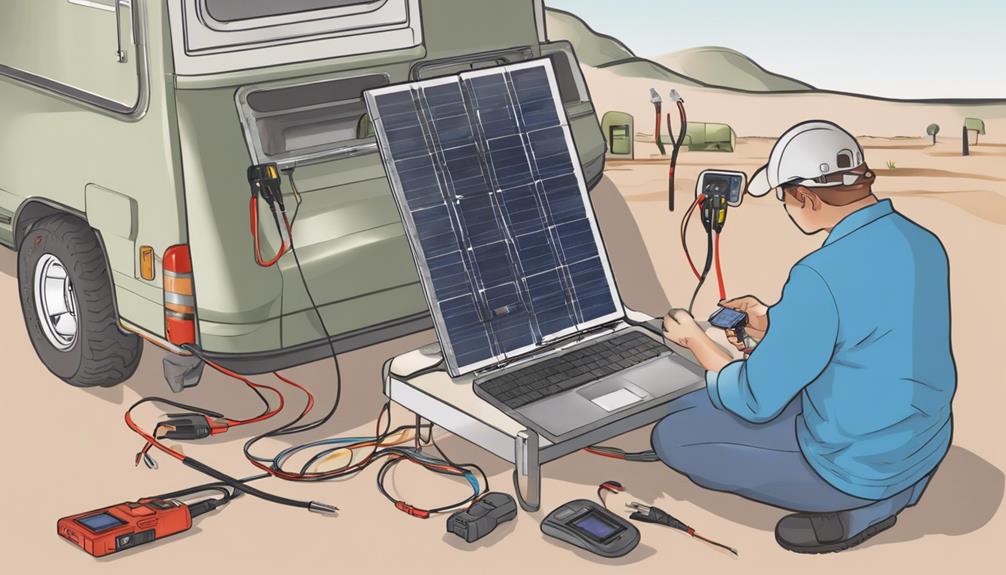
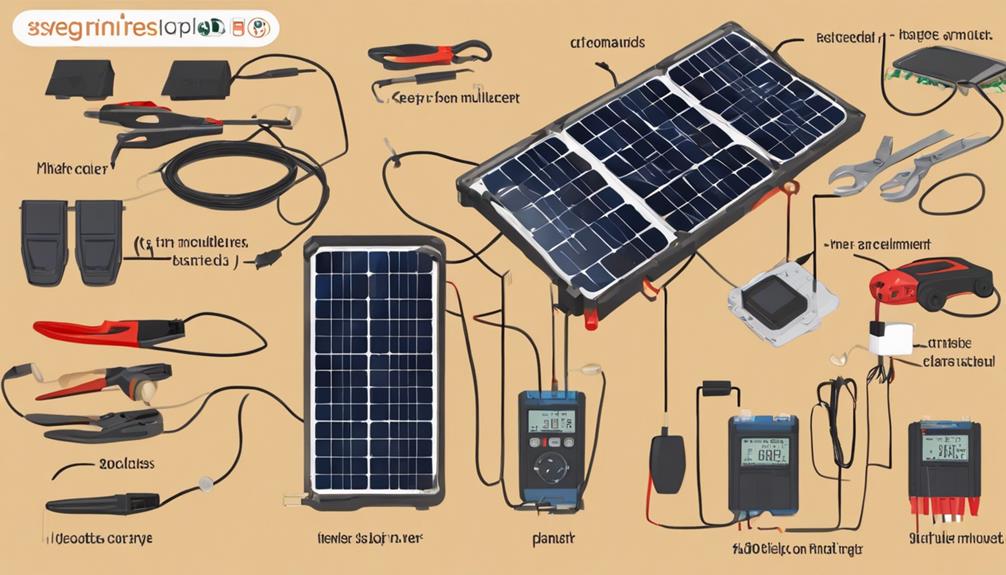
- Complete DIY kit: Factory-made PV modules, racking, inverters or microinverters, wiring, and instructions sold as a package for self-installation.
- Partial DIY installation: Homeowner handles racking and module mounting; a licensed electrician completes the electrical work or final inspection.
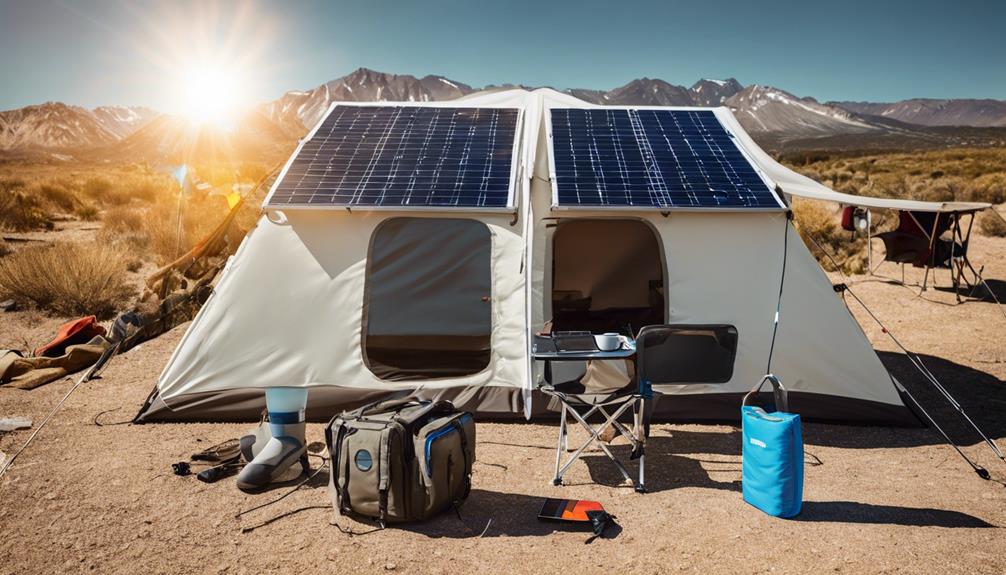
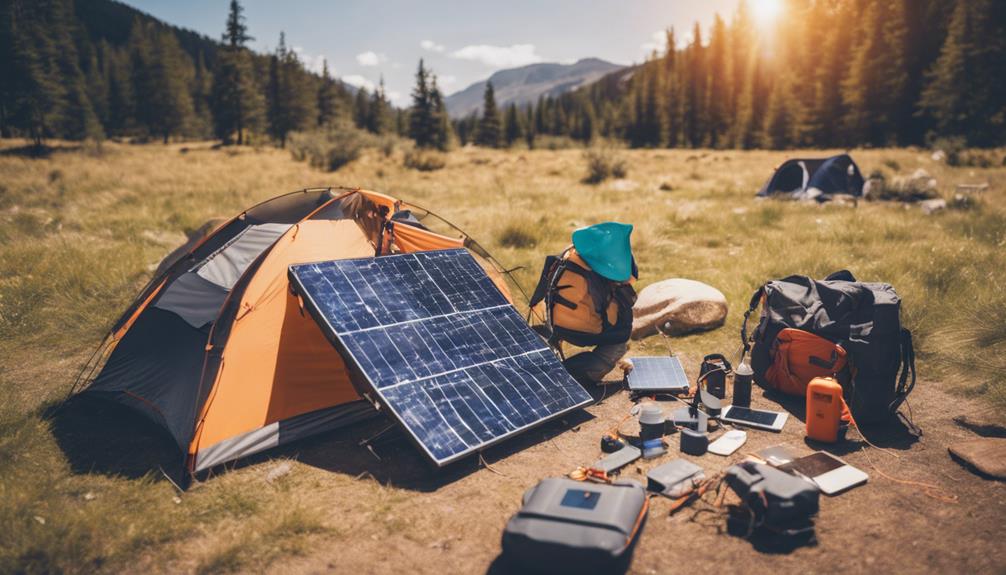
- Portable systems: Small plug-and-play solar+battery stations for camping, RVs, or tools — not substitutes for a permanent home PV system.
- Homemade modules: Building modules from loose cells or repurposed materials. This is generally not appropriate for rooftop residential systems because of safety, durability, code, and warranty issues.
What a residential PV system includes
A code-compliant system usually includes:
- PV modules (panels) and racking/mounting hardware
- An inverter strategy: string inverter, microinverters, or a hybrid inverter for storage
- Balance-of-system items: DC/AC wiring, disconnects, breakers, grounding, and monitoring
- Rapid-shutdown equipment where required by electrical code
- Batteries and charge controllers for off-grid or backup-capable systems
- Permits, inspections, and an approved interconnection application from the utility
Choosing a system type
- Grid-tied: Most residential systems; they export excess energy to the grid but typically stop exporting during outages unless specifically configured for backup.
- Off-grid: Designed to run independently with appropriately sized battery storage and generator backup as required.
- Solar-plus-storage / backup: Adds batteries and switching controls so selected loads can run during outages; requires compatible inverters and code-compliant transfer equipment.
- Portable power station: Useful for camping or small loads; not a direct substitute for a permanent, permitted home PV installation.
Sizing: capacity vs. production
Start with your electricity use (kWh) and site constraints. Distinguish:
- Nameplate capacity: System size in kilowatts (kW), the peak DC or AC rating.
- Energy production: Expected kilowatt-hours (kWh) per year—this depends on location, tilt, shading, and system design.
- Battery capacity: Measured in kWh; size batteries to support the specific loads and duration you need during outages.
Estimation tools (for example, NREL PVWatts) can help predict annual production, but use them only as a starting point and expect site-specific variance.
Permits, inspections, and interconnection
Local building and electrical permits and inspections are typically required for rooftop systems. Grid-connected systems must receive utility approval and a Permission to Operate (PTO) before exporting. Failing to obtain permits or interconnection approval can lead to fines, forced disconnection, or insurance issues.
Batteries and outages
Standard grid-tied PV systems generally shut down during utility outages (anti-islanding). To provide backup during a blackout you need a properly designed system with batteries, a transfer mechanism, and an inverter approved for backup operation. Batteries add cost and may trigger extra code, fire, and utility requirements.
Certifications, warranties, and compatibility
Verify that modules and inverters have appropriate safety and interconnection certifications (for example, equipment meeting recognized UL/IEC standards where applicable). Check product warranties (product defects vs. performance) and inverter/battery replacement policies. Ensure inverter and panel electrical ratings, string sizing, and racking meet local conditions (wind, snow, roof type).
Real cost considerations
DIY savings come mainly from avoided installation labor, but expect additional costs: permit and utility fees, freight, racking and electrical components, possible roof or electrical-panel upgrades, specialized tools or lifts, and professional subcontracting where required. Compare the total installed DIY cost to professional quotes rather than comparing panel prices alone.
Who should DIY—and who should hire pros
- Reasonable DIY projects: small ground mounts, portable systems, and non-electrical preparations on simple sites.
- Hire professionals for: rooftop installations on complex or steep roofs, service-panel changes, battery installs, significant structural work, and full grid interconnection. Also obtain a professional design review for permanent rooftop and grid-connected systems.
Buying checklist
- Estimate annual kWh and define target loads.
- Survey roof orientation, shade, pitch, and condition.
- Choose system type: grid-tied, off-grid, or solar-plus-storage.
- Confirm module, inverter, and battery certifications and compatibility.
- Review product and performance warranties and service support.
- Budget for permits, inspections, interconnection, and panel replacement/maintenance.
- Obtain at least one professional design review or installation quote for rooftop or grid-connected systems.
- Verify local utility interconnection, net-metering/export rules, and available incentives.
Tax incentives and timing
As of July 23, 2026, IRS guidance states the Residential Clean Energy Credit applied to eligible residential clean-energy property placed in service through December 31, 2025. Confirm current federal, state, and local incentive rules before purchase; this information changes and this article is not tax advice.
Disclaimer
Electrical, structural, roofing, permitting, utility interconnection, and tax requirements vary by location and can be safety-critical. Confirm requirements with your local building department, authority having jurisdiction, and utility. Consult licensed electricians, structural engineers, or qualified solar professionals for design, permitting, and installation decisions.