| Rated power | 5 W |
| Typical peak charging current | ≈350 mA (manufacturer/typical under peak sun) |
| Connectors | Cigarette‑lighter accessory plug and alligator clips |
| Panel type | Amorphous (thin‑film) PV pack |
| Intended use | Float/maintenance charge for 12 V lead‑acid batteries (not bulk charging) |
| Manual / spec reference | Sunforce product manual (manufacturer documentation) |
How a 5W solar battery maintainer works
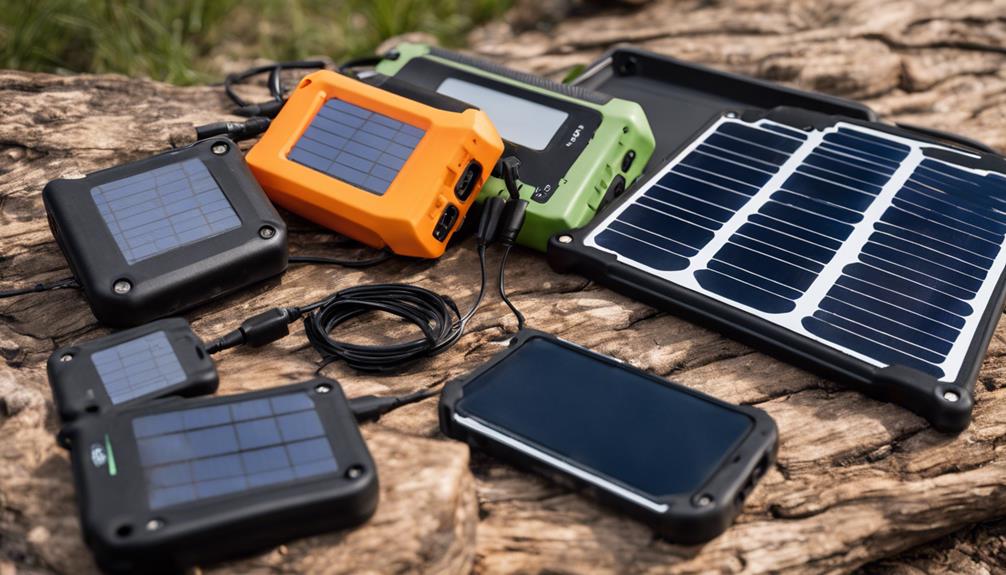
A solar battery maintainer (also called a solar trickle charger) provides a low, steady current to offset a battery’s natural self‑discharge and small parasitic draws. For lead‑acid batteries this is a float/maintenance application: the panel supplies a small current that keeps the battery near full charge over weeks or months. That is different from bulk charging — which requires higher current and multi‑stage regulation to safely recover a deeply discharged battery.
Real‑world performance: what to expect
The Sunforce 5W is rated at about 5 watts; the practical, measured peak charging current is typically around 350 mA under good sun. Translate that to daily energy:
| Panel / type | Assumed peak current (mA) | 4 hours | 6 hours | 8 hours |
|---|---|---|---|---|
| Sunforce 5W (amorphous) | 350 mA | 1,400 mAh | 2,100 mAh | 2,800 mAh |
| 5W crystalline (same wattage) | 420 mA | 1,680 mAh | 2,520 mAh | 3,360 mAh |
| 10W crystalline | 820 mA | 3,280 mAh | 4,920 mAh | 6,560 mAh |
Notes: these are conservative estimates for peak‑sun hours. Amorphous thin‑film panels can perform relatively better at low angles and very diffuse light, but their peak and total daily yield is usually lower than crystalline modules of the same rated wattage. Real output falls with shading, orientation errors, dirt, or cloudy conditions.
Typical use cases and limits
- Good for: seasonal vehicle storage, occasional trailers, lawn tractors, small boats — where the goal is to prevent self‑discharge and keep a battery ready.
- Not for: recovering a deeply discharged or sulfated battery, powering high‑draw electronics, or as a primary charging source for frequent deep cycling.
- Practical limit: if your vehicle has continuous electronic draws (alarms, tracking devices), a 5W unit may not fully keep up; monitor battery voltage or upgrade to a higher‑power maintainer.
Installation tips
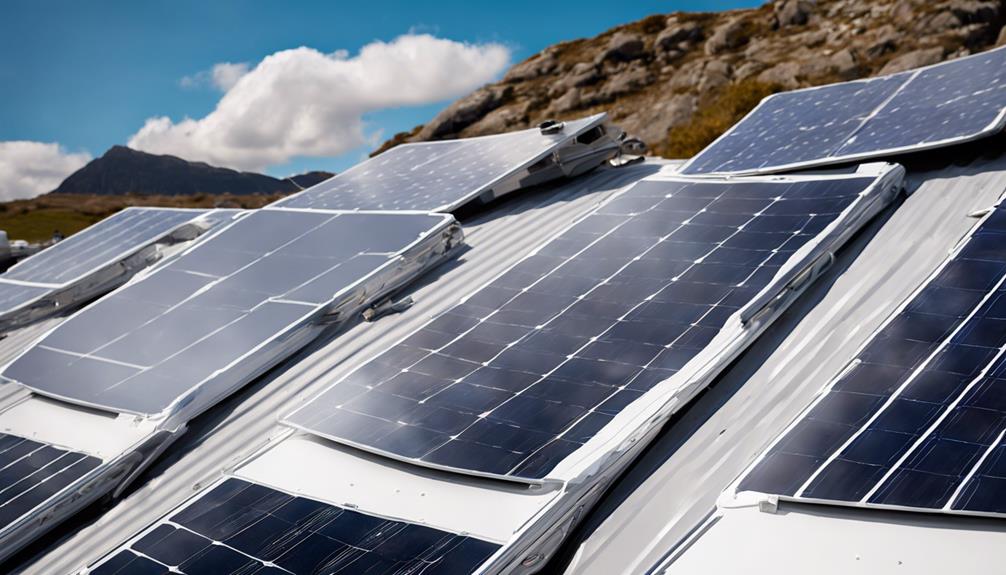
- Mounting: place the panel in an unshaded, south‑facing (northern hemisphere) location with a tilt close to your latitude for best year‑round yield. Secure mounting prevents wind damage.
- Connections: use the cigarette‑lighter adapter for convenience, but for long‑term storage hard‑connect to battery terminals with the provided alligator clips to avoid accessory socket drains or accidental disconnects.
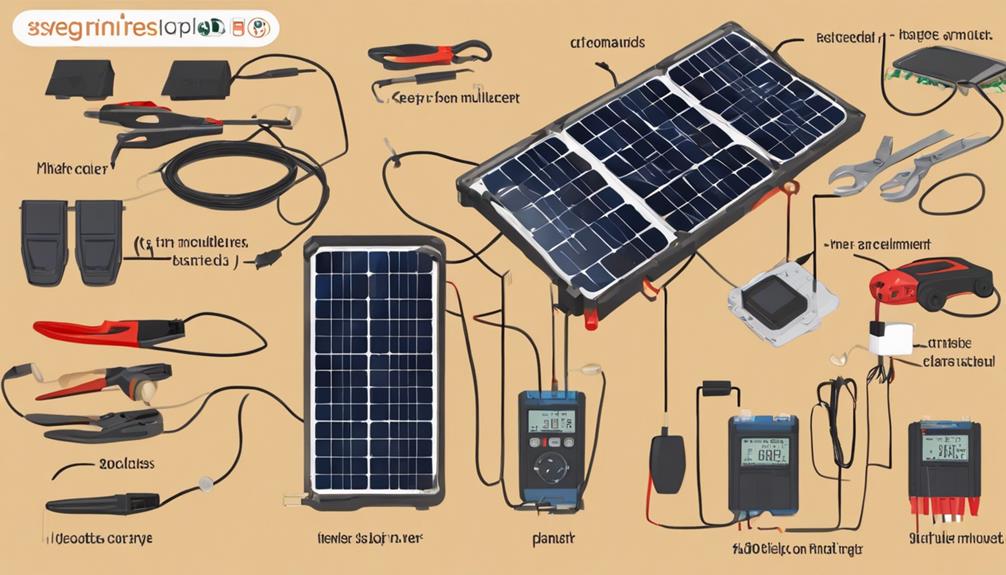
- Testing: measure open‑circuit voltage and charging current in midday sun to verify output. Expect roughly 300–420 mA in good sun for a 5W pack.
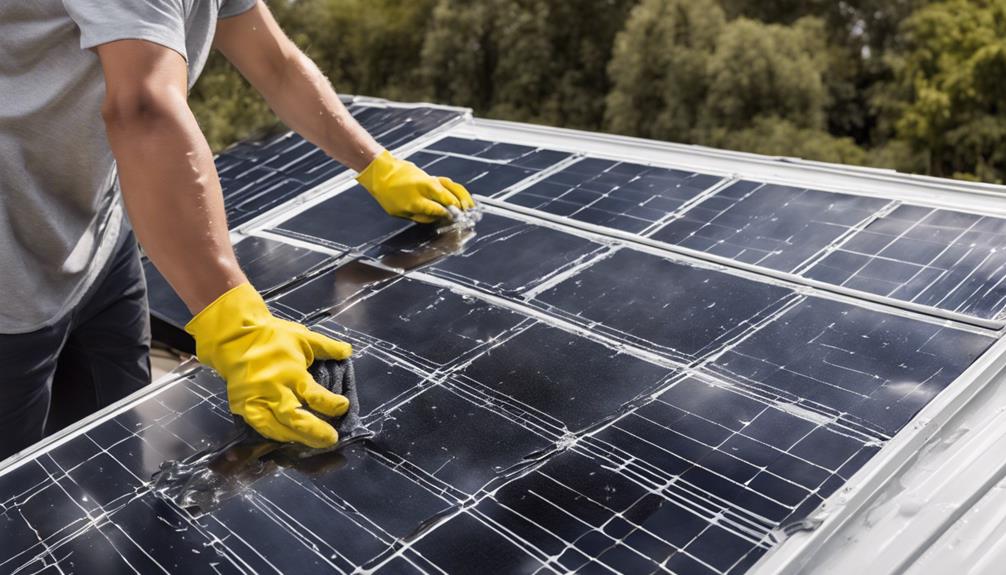
- Storage: clean the panel, stow the cable neatly, and disconnect during extended storms or when the unit could be vandalized.
Safety & battery compatibility
Small maintainers often include a blocking diode to prevent nighttime reverse discharge, but they do not provide multi‑stage charge control. For lead‑acid (flooded, AGM, gel) float maintenance these devices are generally acceptable when used as intended. They are not a direct substitute for a dedicated charger when recovering a discharged battery.
Do NOT assume compatibility with lithium batteries (LiFePO4 / Li‑ion). Lithium chemistries require appropriate charge profiles and BMS oversight. If you need to maintain lithium batteries with solar, use a proper regulator/MPPT and a charger or BMS designed for that chemistry.
Alternatives and when to upgrade
- Upgrade to a 10–20W crystalline maintainer if you need faster top‑up or have higher parasitic loads.
- Add a small MPPT charge controller for better harvest and lithium compatibility (MPPT improves performance under non‑ideal angles and partial shading).
- For battery recovery, use a multi‑stage AC charger or a higher‑amp solar charger — 5W maintainers won’t desulfate or bulk‑charge effectively.
Verdict
The 5W Sunforce‑style maintainer is an inexpensive, easy‑to‑use option for preventing slow self‑discharge of 12V lead‑acid batteries in storage. As of July 2026 it remains useful for light, passive maintenance but has clear limits: small current, lower yearly yield because of thin‑film cells, and no substitute for a proper multi‑stage charger or MPPT system when you need recovery, fast charging, or lithium compatibility.
Quick FAQ
Can it fully charge a dead battery? No — it’s for float/maintenance, not bulk recovery. Use a multi‑stage charger for a dead battery.
Can it be left connected long‑term? Yes for lead‑acid batteries intended for float charging, but monitor battery health and check connections periodically.
Is it safe for lithium batteries? Not by itself. Only use with lithium if you add a proper regulator or a BMS‑aware solar charger.
Article and estimates compiled from the Sunforce 50022 manual and battery charging best practices (Battery University). Numbers and guidance stated as of July 2026.