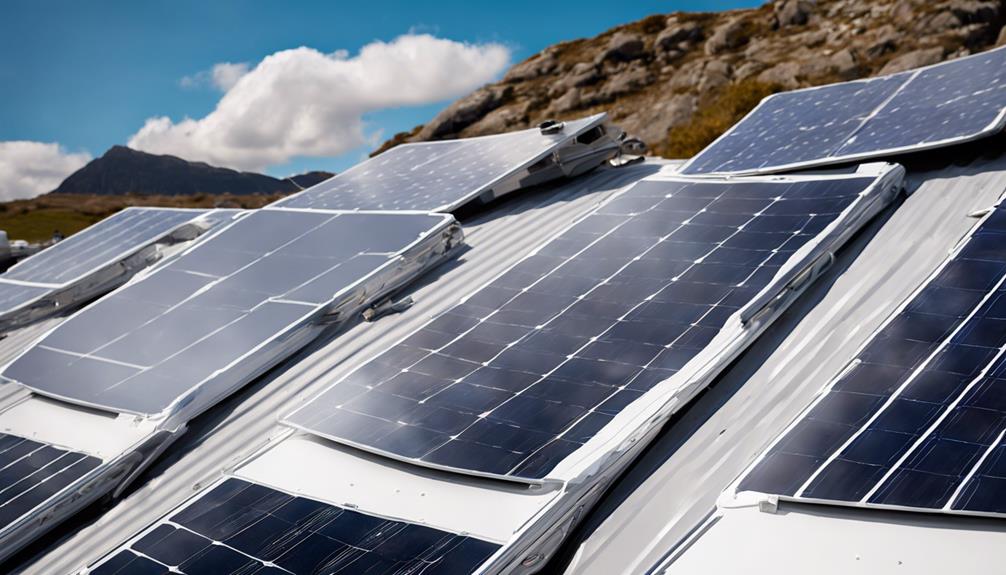
What is a solar battery maintainer?
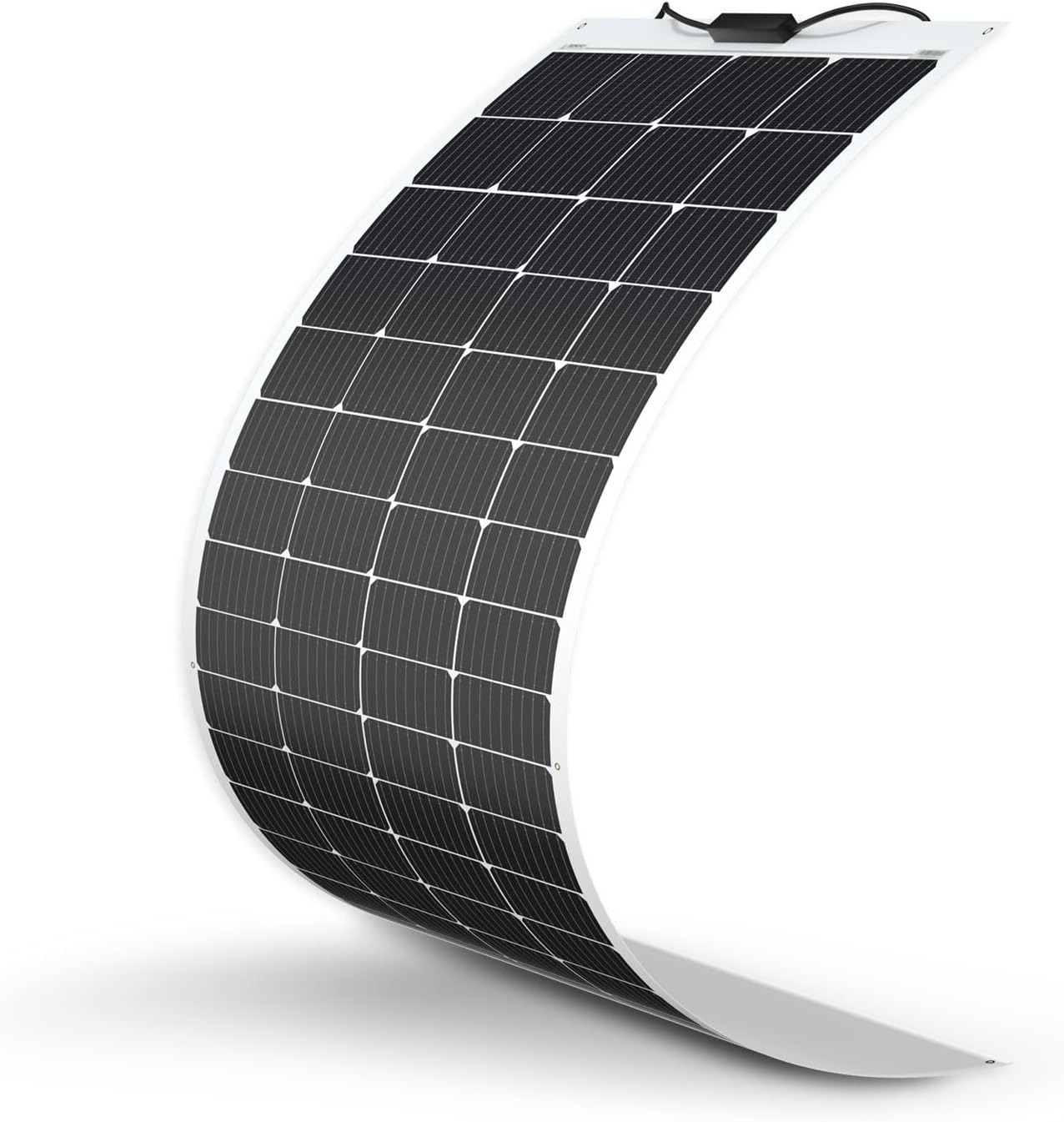
A solar battery maintainer (also called a solar trickle charger or solar float charger) is a small photovoltaic (PV) panel plus a controller designed to keep a vehicle’s starter battery topped up during storage or light use. Rather than rapidly charging a dead battery, these systems deliver a low, controlled float charge to offset self-discharge and small parasitic draws so the battery stays ready after weeks or months.
Is a solar maintainer right for you?
- Yes if you have an infrequently used vehicle — seasonal cars, motorcycles, classic cars, RVs, or boats in storage.
- Yes if you want a low-effort way to reduce battery replacement and roadside failures during long gaps between drives.
- No if your battery is deeply discharged, sulfated, or already failing — maintainers are not a substitute for a proper battery charger or replacement.
How it works (simple)
Basic flow: sunlight → solar panel → charge controller → battery. The controller is essential: it prevents overcharging and switches the system into a low-voltage float (maintenance) stage when the battery is full.
Solar panel —> Charge controller —> Vehicle battery
Float (maintenance) voltage for 12 V lead‑acid batteries typically sits around 13.2–13.8 V (roughly 2.20–2.30 V per cell). Absorption and bulk stages use higher voltages for active charging but must be controlled to avoid gassing or damage. Exact setpoints depend on battery chemistry and temperature — always check the battery manufacturer’s specifications.
Types and components
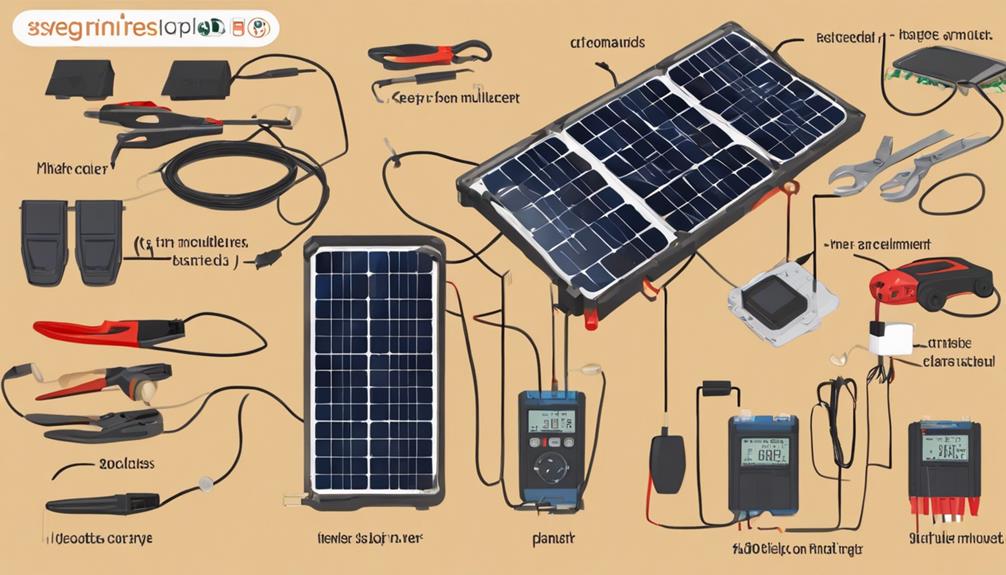
- Panel wattage: Typical vehicle maintainers range from about 1.5 W to 20 W; common consumer units are 5–10 W. In good sun a 5–10 W panel produces a few hundred milliamps — enough to maintain a healthy battery but usually not enough to fully recharge a deeply discharged one.
- Charge controller: PWM (pulse-width modulation) controllers are simple and inexpensive. MPPT (maximum power point tracking) controllers extract more power in weak-light conditions and can be worth it in cloudy climates or if the panel is small.
- Connectors: Typical options are alligator clamps, ring terminals for direct battery connection, or cigarette-socket plugs. Choose the connection type that matches how you want to install and secure the unit.
Chemistry compatibility — important
Not all maintainers are safe for every battery type. Lead‑acid variants (flooded, AGM, Gel) share similar float ranges but can still have manufacturer-specific setpoints. LiFePO4 (Lithium Iron Phosphate) batteries have different charge and float requirements and often require a specific LiFePO4 preset or a battery-management system (BMS) between the charger and battery. Using a lead‑acid float voltage on LiFePO4 cells can reduce life or cause damage. Buy a maintainer that explicitly lists the chemistry types it supports.
Choosing the right maintainer
- Match wattage to use-case: 5–10 W for most cars and motorcycles kept in sunlight; consider 10–20 W for RVs or vehicles parked in partial shade.
- Choose MPPT if you need better performance in cloudy or shaded locations; choose PWM for budget installations and direct-sun scenarios.
- Look for explicit chemistry presets or a LiFePO4 mode if you have a lithium starter battery or auxiliary lithium bank.
- Prefer controllers with temperature compensation if the vehicle will be stored in very hot or cold conditions.
- Check IP rating and mounting options for permanent outdoor installation.
Installation & usage tips
- Mount panels where they get direct sun for most of the day. Roof racks, dash areas (for dry storage), or securely on a garage wall can work — avoid deep shade.
- Use ring terminals for the most reliable long-term connection; cigarette-plug maintainers are convenient but depend on the vehicle socket wiring and may drain if the socket is switched.
- Route cables cleanly, protect against chafing, and secure the panel to prevent theft or wind damage.
- Do not expect the maintainer to jump-start a dead battery. If the battery is below safe charging thresholds or sulfated, use a dedicated battery charger or battery service.
Safety, limits and legal note
Solar maintainers are designed for long-term connection when they include a proper charge controller and correct chemistry presets, but improper devices (no controller, wrong voltage) can cause electrolyte loss, gassing, or shortened life. They won’t produce power at night and perform poorly in covered parking. Always follow the battery and charger manuals — improper charging can damage batteries and create safety hazards.
Check your battery manufacturer for exact float and absorption voltages before buying or using a maintainer.
Quick product checklist
- Explicit chemistry presets (Lead‑acid: flooded/AGM/gel; LiFePO4 if needed)
- Charge‑controller type listed (MPPT or PWM) and basic specs
- Float voltage range stated (approx. 13.2–13.8 V for 12 V lead‑acid)
- Temperature compensation or a temperature sensor option
- IP rating and secure mounting accessories
- Clear connection options (clamps, ring terminals, cigarette plug)
Common FAQs
Will this charge a dead battery? No — maintainers are for offsetting self-discharge and small parasitic draws. Deeply discharged or sulfated batteries usually need a dedicated charger or replacement.
Can I leave it connected all winter? Often yes if the maintainer has a proper controller and correct chemistry settings; follow manufacturer instructions and check voltage presets.
Will it work in a covered garage or at night? No — PV panels need sunlight. Output in shaded or indoor locations is much lower and may not maintain the battery.
Legal / safety disclaimer: Follow battery and maintainer manufacturer manuals. Improper charging can damage batteries, cause leaks or create fire hazards.