What is solar-powered outdoor lighting?
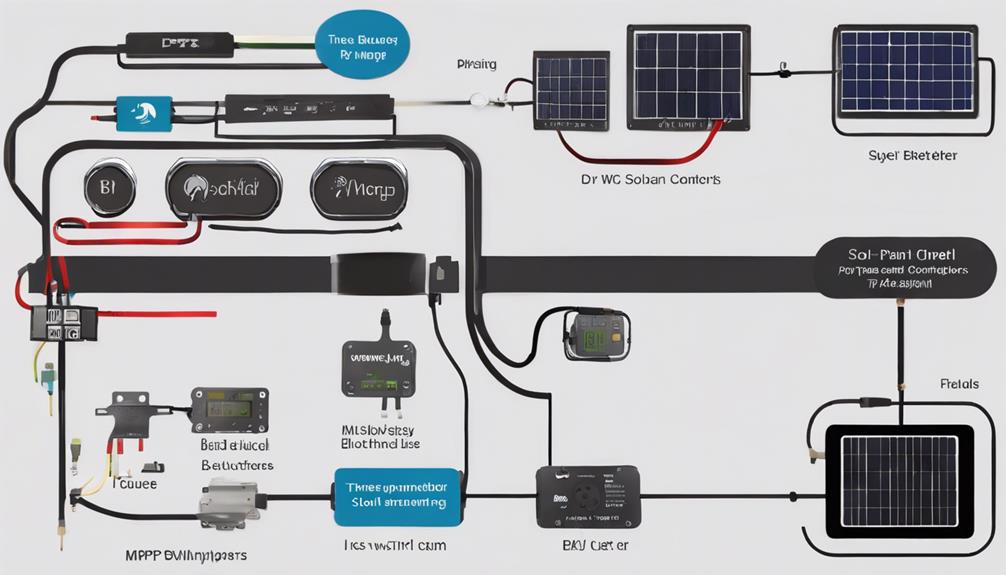
Solar-powered outdoor lighting uses a small solar photovoltaic (PV) panel to convert sunlight into electricity, a rechargeable battery to store that energy, and an LED luminaire to provide light at night. These standalone solar luminaires may be sold as an integrated solar light (panel, battery, controls, and LED in one unit) or as a split-panel or remote-panel system where the PV panel is mounted separately and connected to the light by a cable.
When people call solar fixtures “wireless,” they usually mean the lights aren’t hardwired to household electricity—off-grid—rather than that there are no cables at all. Split-panel designs commonly use a short cable between the panel and the fixture.
How solar outdoor lights work
During the day the PV panel charges the rechargeable battery through a charge controller. A dusk-to-dawn sensor (photocell) or built-in controller turns the LED on at night. Many products also offer motion sensors, timers, dimming, or multiple operating modes to extend runtime or increase brightness on demand.
Runtime and nightly performance depend on how well the panel charges (sun exposure, weather, season), battery capacity and condition, the LED’s lumen output, and the operating mode you select.
Common types of solar outdoor lights
- Pathway and stake lights: Low-level accent lighting for walkways and gardens; typically low output and used in series.
- Wall-mounted and entry lights: For porches and doorways; can be integrated or separate-panel designs.
- Security or flood lighting: Higher-output fixtures, often motion-activated; may need larger panels and batteries.
- Spotlights and accent fixtures: Focused beams for trees, signs, and architectural features; split-panel versions help when the light location is shaded.
- Patio and area lights: Designed for seating areas; performance varies—many are best for mood lighting rather than task illumination.
- Decorative light strings: Typically low-power LED strings for ambiance; ENERGY STAR-certified LED strings use much less energy than incandescent strings where certified.
Where solar lighting works best
Solar outdoor lights are most effective for low-output or intermittent applications and in places where running wiring is difficult or costly: pathways, garden beds, fences, remote sheds, signs, and some patios. They’re especially useful when you need convenient, off-grid illumination with minimal installation.
Limitations to consider
- Sun exposure and shade: Panels need adequate direct sunlight. Trees, rooflines, or seasonal foliage reduce charging and runtime.
- Weather and seasons: Cloudy weather and short winter days reduce available solar energy. Batteries also perform less efficiently in extreme cold.
- Battery aging: Rechargeable batteries degrade over time and may need replacement; check whether replacements are available.
- Brightness and reliability: Many residential solar fixtures are designed for accent or intermittent lighting—not continuous high-output tasks or demanding security coverage.
- Maintenance: Panels need occasional cleaning, fixtures can collect moisture or debris, and sensors may need adjustment.
What to check before you buy
- Lumens: Compare lumens for brightness rather than watts. Choose the lumen level for the task (pathway, accent, security).
- Runtime and charging time: Look for stated runtime after a full charge and how long charging takes in sunlight.
- Battery specs: Battery type, capacity, expected lifetime, and whether replacement cells are available.
- Operating modes and sensors: Dusk-to-dawn, motion/occupancy sensors, timers, and dimming options can extend useful runtime.
- Color temperature (CCT): Choose warm white or amber (around 2700 K or lower where practical) to reduce glare and nighttime impacts on wildlife.
- Durability and ratings: Look for wet-location or appropriate IP ratings and a weatherproof build; check warranty and lumen maintenance information.
- Shielding and aim: Prefer shielded or fully shielded fixtures to minimize glare, uplight, and light trespass.
Installing and positioning solar lights
- Mount PV panels where they receive the most direct sun—avoid shade from trees, roofs, or other objects.
- If the intended light location is shaded, use a split-panel design so the panel can be sited in sun while the luminaire illuminates the shaded area.
- Aim lights down and toward the intended area; avoid pointing fixtures at windows, neighboring yards, or the sky.
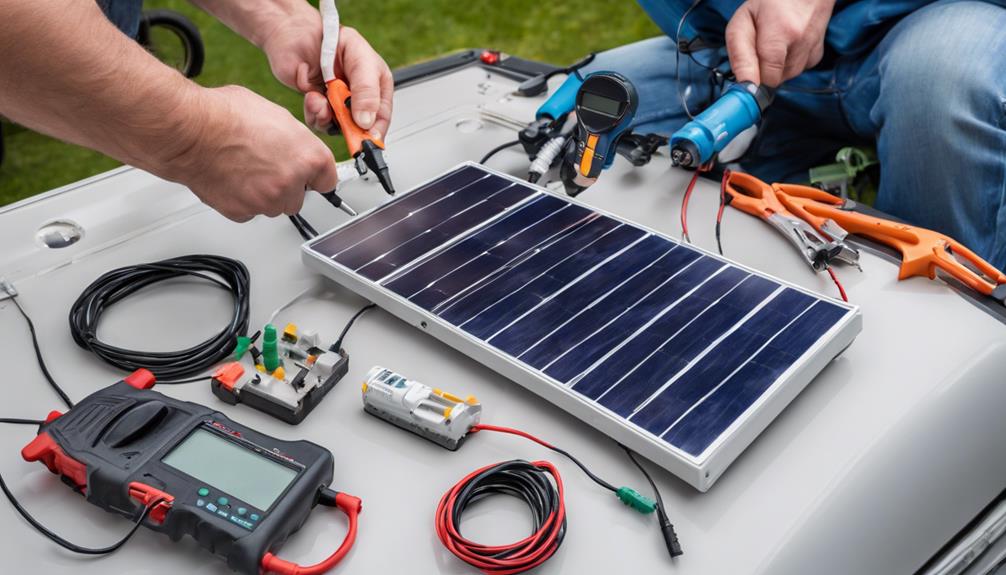
- Follow manufacturer instructions for mounting height, weatherproofing, and any cabling for split-panel systems.
Use solar lighting responsibly
Use the minimum brightness needed, prefer warm-colored LEDs, shield fixtures, and add timers or motion controls so lights operate only when necessary. These steps help reduce glare, light trespass, skyglow, and impacts on wildlife—even when the energy source is solar.
Bottom line
Solar-powered outdoor lighting offers convenient, off-grid illumination that can avoid wiring and reduce household electricity use for low-level or intermittent applications. Its success depends on good sun exposure, realistic expectations about brightness and runtime, suitable IP/wet-location ratings, and ongoing maintenance like battery replacement and panel cleaning. Choose fixtures and settings that meet your lighting task while minimizing light pollution.