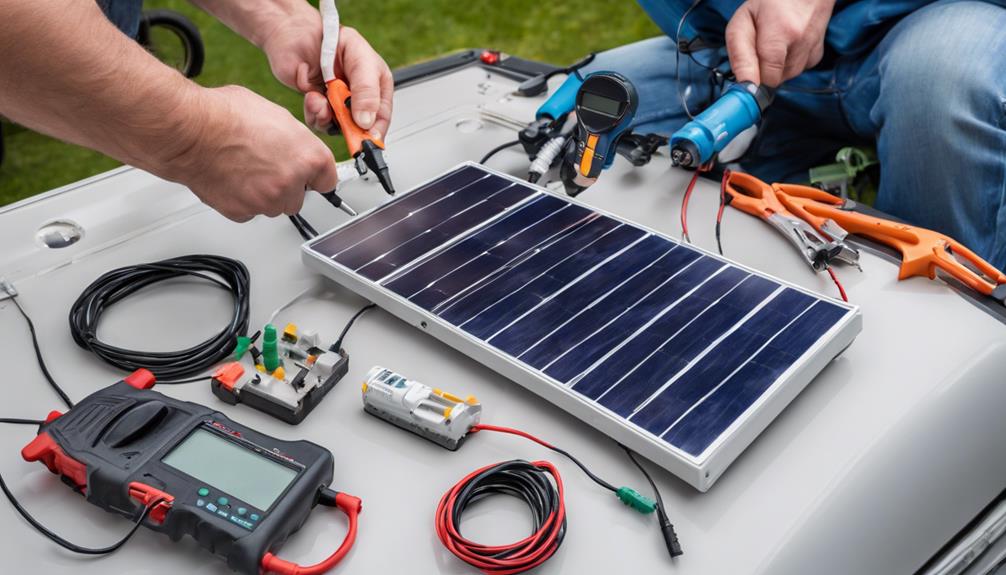
Adding reliable light to a backyard workspace or storage area no longer needs trenches, electricians, or high utility bills. A solar shed light kit provides a practical, low-cost way to illuminate a shed interior or exterior using the sun’s energy. As part of the Complete Solar Kits & Systems category, these kits range from simple solar shed lamps to full solar powered shed light kits that include panels, batteries, and LED fixtures. This article explains what to look for, how to install systems, and real-life use cases so you can choose the right garden shed solar lights for your needs.
Why choose a solar shed light kit over wired alternatives
Solar shed lights remove the need to run AC wiring to outbuildings, making them ideal for detached storage sheds, workshops, and garden offices. For many homeowners, the appeal is both practical and economic: a solar powered shed light with battery offers off-grid lighting that continues to work during power outages and costs nothing to run once installed. Modern shed led lights and solar shed lamps are energy efficient, often using LEDs that provide bright, usable light while drawing only a few watts. This makes a solar power shed light kit a low-maintenance, sustainable solution that improves safety, convenience, and even home security when mounted outside with motion detection.
Key components of a solar powered shed light kit
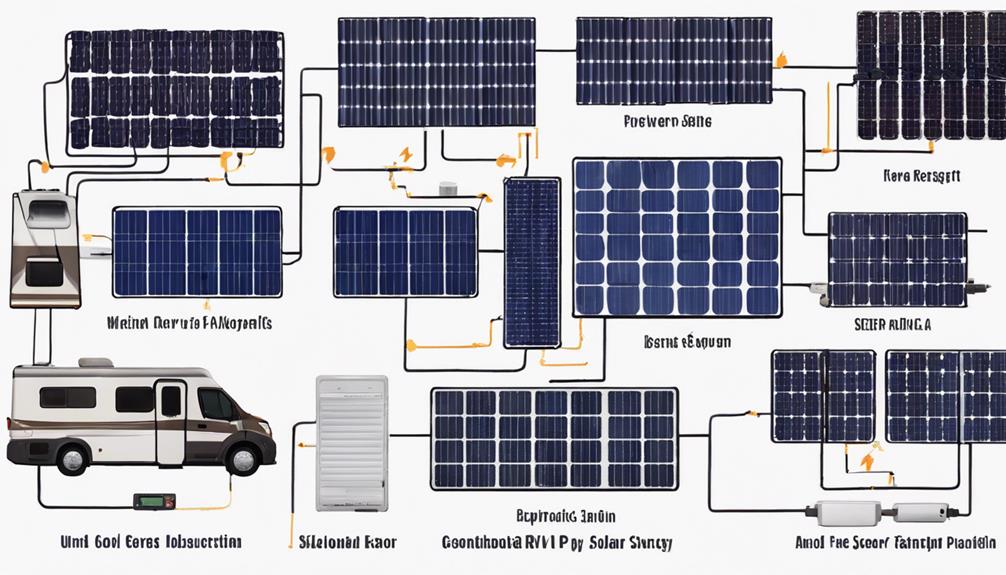
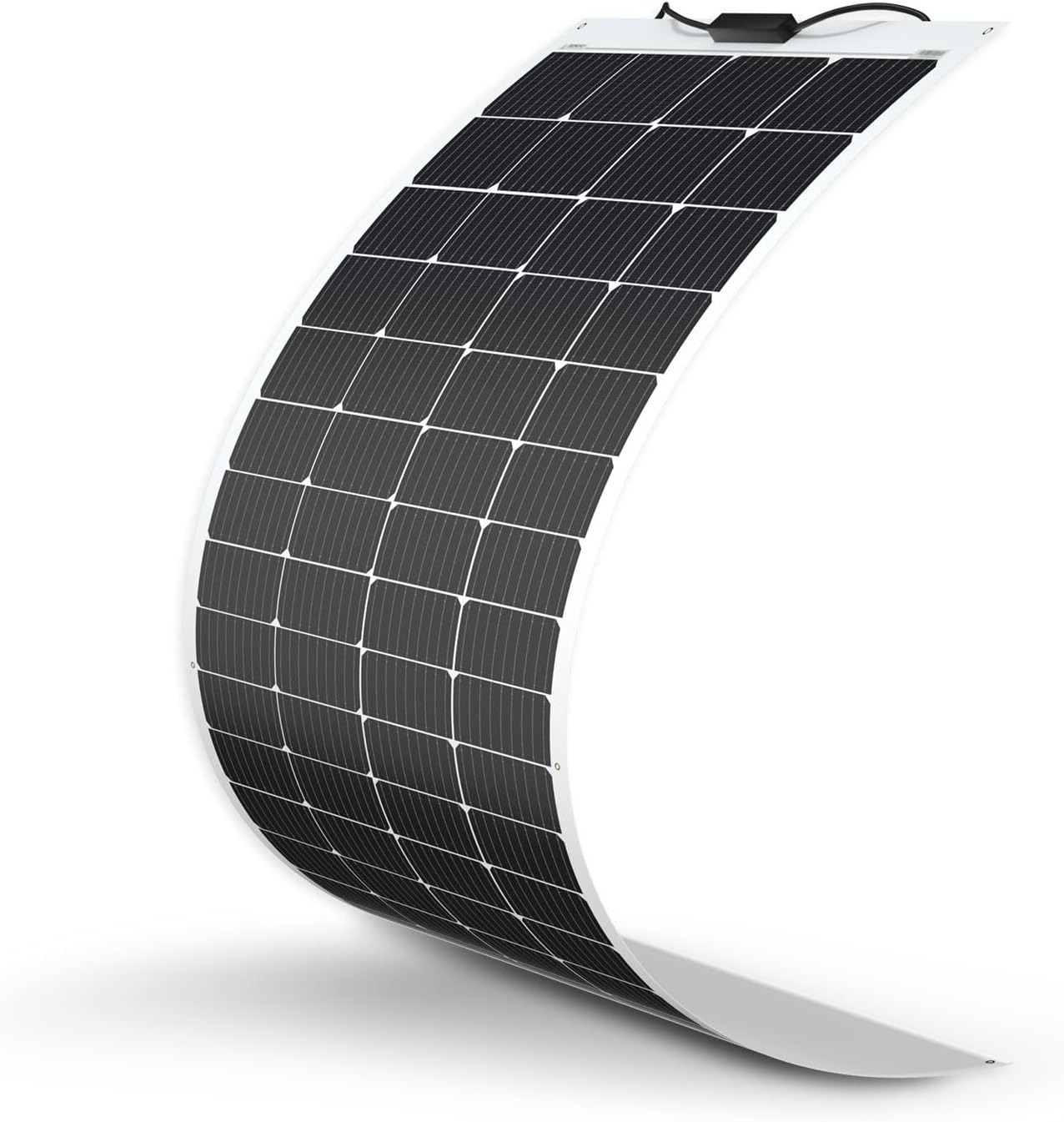
A complete kit typically includes a solar panel, a mounting bracket, a battery (often lithium or sealed lead acid), a charge controller, and LED fixtures. The solar panel for shed light generates the electricity, while the charge controller manages charging to protect the battery and extend its life. Battery power shed light options vary: some kits use integrated rechargeable batteries in the lamp itself, while more robust systems include a separate deep cycle battery for longer runtimes. Solar powered garden shed lights and storage shed solar lights aimed at workshops usually feature brighter LED arrays and larger batteries compared to simple solar shed lamps intended for occasional use.
Installation and placement tips for garden shed solar lights
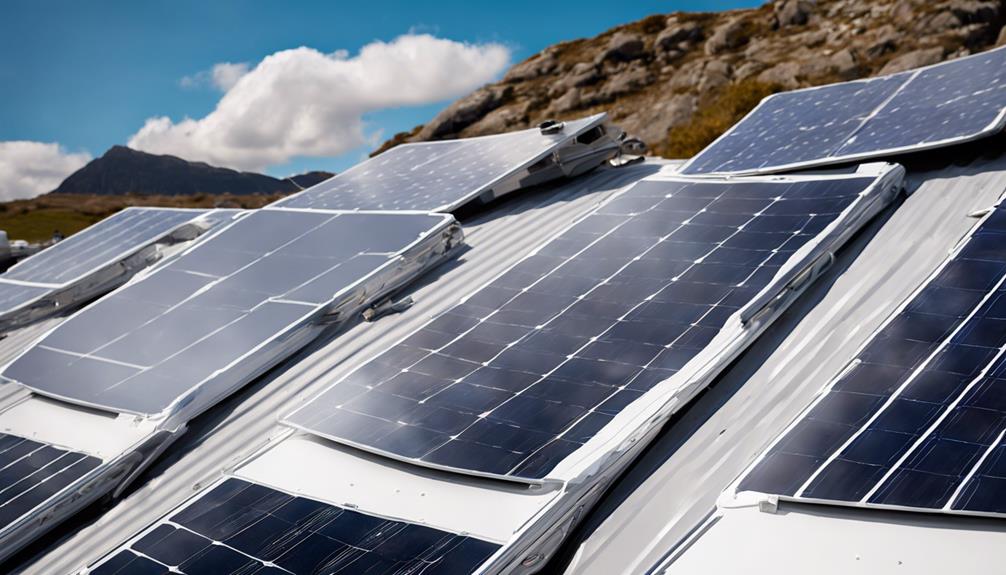
Proper placement of the solar panel is crucial. Panels should face south in the northern hemisphere and be mounted where they receive at least four to six hours of direct sun daily. If your shed roof is shaded, consider a small pole mount or wall-mounted solar panel positioned to avoid tree canopy shadowing. Inside the shed, place LED fixtures where they illuminate workbenches and tool storage; a central ceiling-mounted LED panel will evenly light the interior, while motion-activated wall lamps are useful for quick trips to get tools. When choosing a solar powered shed light kit, check that cable lengths and mounting hardware match your layout so the solar panel and battery can be installed optimally relative to the light fixtures.
Practical use cases and sizing considerations
Think about how you use the shed to determine the right system. For occasional nighttime access to a storage shed, a small solar shed lamp or a kit with a modest battery will suffice. If you run power tools or spend significant time in a backyard workshop, you’ll need higher-output shed led lights and a larger battery bank to provide steady illumination. To estimate sizing, calculate the total wattage of the LEDs you plan to run and how many hours per evening you require light. Multiply watts by hours to get watt-hours, then size the battery to cover that demand while allowing for several days of autonomy if needed. Many solar power shed light kits list expected runtimes at specific loads—use these as guides rather than guarantees, since seasonal sun and local weather affect performance. For exterior use, such as motion-sensor garden lighting that also enhances home security, a compact solar powered garden shed lights fixture with an integrated battery may be the simplest option.
Maintenance, battery options, and troubleshooting
Maintenance for solar shed light systems is minimal but important. Clean the solar panel periodically to remove dust and pollen that reduce output, and check connections for corrosion or loose fittings. Batteries determine much of a system’s lifespan: sealed lead acid batteries are common and inexpensive but heavier and shorter-lived than lithium alternatives. Lithium options offer longer cycle life and better performance in cold weather but come at a higher upfront cost. If you choose a kit advertised as a solar powered shed light with battery, verify the battery type, expected cycles, and warranty. Common troubleshooting steps include verifying the panel receives sunlight, checking the charge controller indicator lights, and testing the battery voltage. If a solar light for shed interior fails to hold charge, the battery is often the first component to inspect or replace.
Choosing the right kit within complete solar systems
When comparing products, balance simplicity against expandability. A plug-and-play solar shed light kit is perfect for quick installs and small projects, while a modular solar power shed light kit that allows you to add panels or batteries later fits evolving needs. Think about future uses—would you want to power additional lights, small outlets, or a fan? If so, pick a system with a larger charge controller and room for battery expansion. Also consider features like dimming, timer controls, and motion sensors which can increase efficiency and utility. For storage shed solar lights focused on security and convenience, a motion-activated LED with an integrated battery can be both affordable and highly effective.
Solar shed light kits provide a flexible way to brighten up outbuildings without the cost and complexity of wiring. Whether you need a simple solar shed lamp for occasional trips into a storage shed or a full solar power shed light kit to support a backyard workshop, today’s kits combine efficient LEDs, reliable batteries, and compact solar panels to deliver consistent performance. With sensible placement, correct sizing, and routine maintenance, garden shed solar lights can offer years of low-cost illumination as part of a broader Complete Solar Kits & Systems approach to off-grid energy.