Getting a new photovoltaic system is a major investment for most homeowners and businesses. A thorough solar panel inspection ensures that the installation meets safety standards, performs as expected, and delivers the long-term savings you counted on. Whether you are preparing for an initial inspection after installation, scheduling routine maintenance, or assessing damage after a storm, understanding what a solar panel inspection involves can protect your investment and reduce future costs. After inspection, review recommended installation and pricing options to understand expected system performance and expenses.
Why a solar panel inspection matters
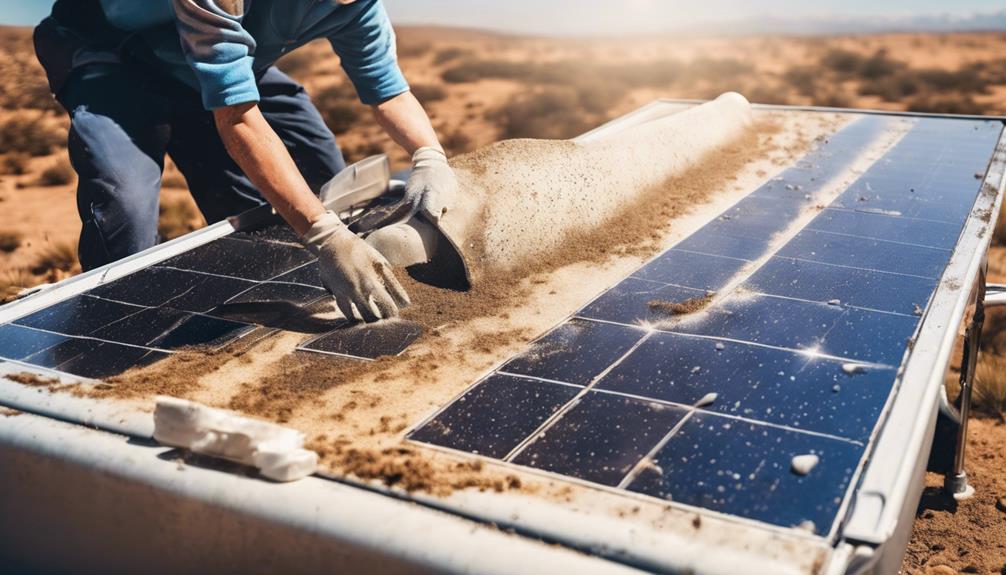
A solar panel inspection verifies both the safety and efficiency of your system. Inspections identify installation errors, poor connections, shading issues, and physical damage that can degrade performance over time. For new installations, a certified inspector will check that panels, inverters, and racking are installed to code and that electrical wiring is safe. For existing systems, an inspection uncovers issues such as microcracks, delamination, or soiling that reduce output. Regular solar inspection helps maintain warranty validity and can prevent small problems from evolving into expensive repairs, making inspections a cost-effective component of solar system installation and costs planning.
What inspectors look for during a solar power inspection
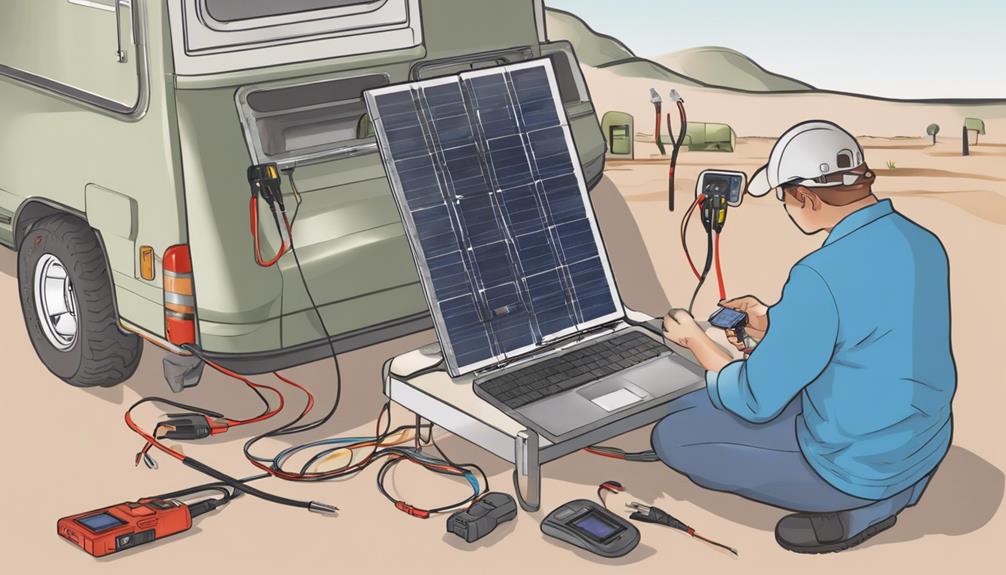
During a professional solar power inspection, the technician evaluates the physical condition of panels, mounting hardware, inverters, and meters, and inspects electrical connections and labeling. They check mounting integrity to ensure panels are secure against wind uplift and review flashing and roof penetrations to detect potential leaks. Inspectors also measure string voltages, check inverter error logs, and verify system output against expected performance given local irradiance. Thermal imaging is often used to locate hotspots indicating cell or connection faults. A thorough solar inspection blends visual, electrical, and thermal assessments to provide a complete picture of system health.
When to schedule inspections: timing and frequency
There are several key times when a solar inspection is essential. First, after installation, an initial inspection should confirm the system was installed correctly and is safe to operate before final commissioning. Second, annual or biennial inspections are recommended to monitor performance, especially for systems in harsh climates or with heavy soiling. Third, schedule an inspection after severe weather events such as hail, high winds, or earthquakes to assess possible damage. Lastly, if you notice persistent underperformance, inverter faults, or visible damage, arrange a solar inspection promptly. Planning inspections as part of your regular maintenance schedule helps manage long-term costs associated with your solar system installation.
How inspection costs fit into overall installation expenses
The cost of a solar inspection varies depending on the scope, region, and whether advanced diagnostics like thermal imaging are needed. A basic post-installation inspection may be included in the installer’s contract, while standalone inspections can range from relatively low fees to higher charges for detailed electrical testing. When budgeting for a solar system, factor in inspection costs alongside permitting, equipment, and labor to estimate the true total cost of ownership. Investing in regular solar inspection can reduce unexpected repair costs and improve energy yield, which in turn shortens the payback period for your solar investment. After a panel inspection, consult local Arvada installers for repairs, replacements, and performance optimization.
DIY checks versus hiring a professional inspector
Homeowners can perform simple visual checks between professional inspections, such as looking for debris, shading, or obvious physical damage to panels and monitoring system output through the inverter or monitoring app. These DIY checks are useful for spotting immediate issues but are not a substitute for a certified solar inspection. Professionals have the tools and training to test electrical integrity, perform safe rooftop work, and interpret inverter logs and thermal images. For warranty compliance and electrical code adherence, hiring a qualified inspector or having the installer conduct a formal solar inspection is strongly recommended. When choosing a professional, look for certifications from recognized industry bodies and ask for a detailed report that includes recommended repairs and expected performance gains.
Practical use cases: inspections during installation, sale, and maintenance
A solar panel inspection plays different roles depending on the use case. During installation, inspections provide the final approval needed for interconnection and ensure the system will operate safely. When selling a property with solar, a recent inspection can reassure buyers about system condition and help establish accurate valuations. For ongoing maintenance, inspections detect soiling patterns, animal interference, and wiring degradation that reduce energy production. In commercial settings, routine solar inspection is critical for meeting insurance and regulatory requirements and for maximizing return on investment. Across these scenarios, consistent inspection practices help align expectations with actual system performance.
Maintaining a schedule of professional solar inspections is a practical way to protect your solar investment and manage the ongoing costs of ownership. By understanding what inspectors evaluate, when to book inspections, and how inspection fees fit into installation budgets, homeowners and businesses can make informed decisions that preserve system efficiency and prolong lifespan. Regular solar inspection not only safeguards performance but also supports warranty claims and contributes to a smoother, more predictable return on your solar system installation.