Choosing to go solar is as much a financial decision as it is an environmental one. Understanding solar system installation & costs helps homeowners and businesses weigh upfront expenses against long-term savings, available incentives, and expected payback periods. This article breaks down the main drivers of price, typical ranges for residential and commercial projects, component-level costs, and practical tips to optimize your investment so you can plan confidently for a solar installation.
What determines solar system installation & costs
Several factors influence the total price of a photovoltaic system. System size is the most obvious driver: larger systems with higher kilowatt capacity require more panels, larger inverters, and more labor. Site-specific conditions matter greatly—roof type, pitch, orientation, shading, and accessibility affect installation complexity and mounting hardware needs. Equipment selection also impacts cost: premium, high-efficiency solar panels and battery storage add to the upfront spend, while lower-cost components reduce it. Local permitting fees, interconnection charges, and installer labor rates vary by region and can shift the final price. Finally, incentives like tax credits and local rebates can significantly lower net costs, so location and eligibility play an important role.
Typical price ranges and examples
Solar pricing is commonly quoted in dollars per watt. As a rule of thumb, residential systems often range from about $2.50 to $4.00 per watt before incentives. That means a typical 5-kilowatt home system can cost roughly $12,500 to $20,000 pre-incentive. Smaller systems around 3 kilowatts and larger systems above 10 kilowatts scale accordingly. Commercial installations tend to have lower per-watt costs due to economies of scale, but they can involve more complex electrical work. Battery backup systems add substantial cost; a home battery can add several thousand dollars depending on capacity. After applying available federal tax credits, state incentives, and utility rebates, many homeowners see the net cost drop by 20 to 40 percent.
Breakdown of component costs
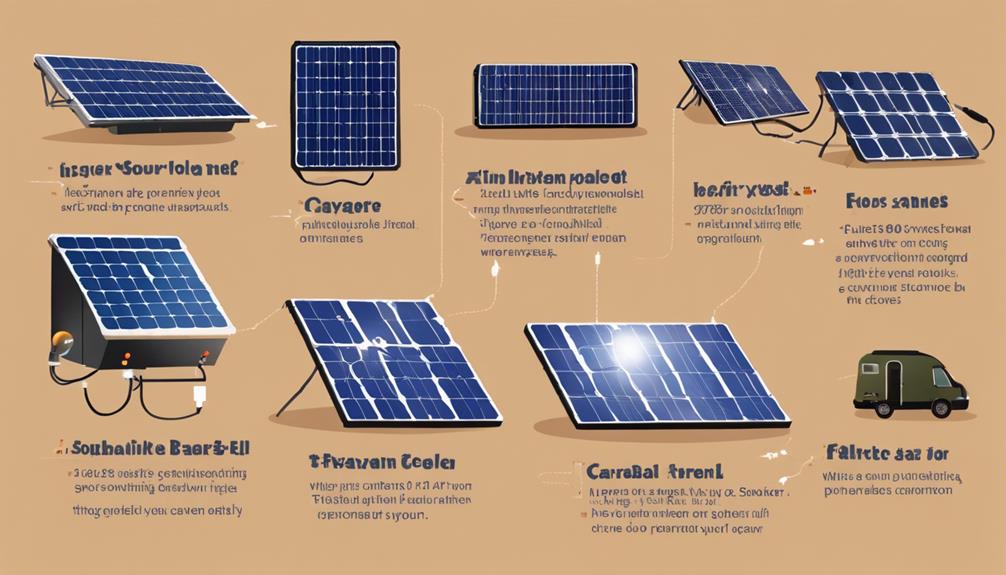
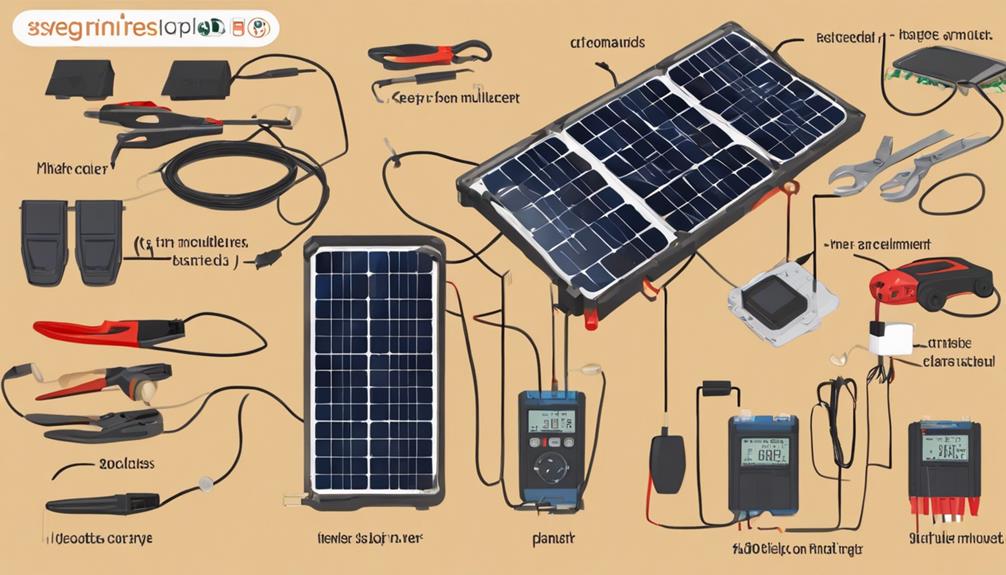
Understanding how costs distribute across components helps you identify savings opportunities. Solar panels typically represent 25 to 40 percent of total system cost, with high-efficiency panels commanding premium prices. Inverters, which convert DC power to AC, account for roughly 10 to 15 percent; microinverters and power optimizers usually increase this portion but can improve production under shading. Mounting hardware and racking are a smaller share but vary with roof type or ground-mount needs. Electrical balance-of-system items—wiring, conduit, disconnects, and monitoring equipment—also contribute. If you include battery storage, batteries and associated control equipment may represent 30 percent or more of the overall project expense.
Installation labor, permits, and soft costs
Soft costs—permits, inspections, installer overhead, design, and customer acquisition—make up a meaningful slice of the total. Labor rates fluctuate by region and complexity; steep or difficult-to-access roofs increase labor hours and require specialized safety equipment. Permitting and inspection fees are municipal and can vary widely. Transparent installers will itemize these soft costs so you can compare proposals on an apples-to-apples basis.
Financing options and incentives that reduce net cost
There are several ways to finance solar, each affecting your net system cost and long-term returns. Cash purchases maximize lifetime savings since you avoid interest, but they require substantial upfront capital. Solar loans spread payments over time, often with terms from five to twenty years, and many loans are designed to be offset by energy bill savings. Solar leases and power purchase agreements let homeowners go solar with little or no upfront cost, although long-term savings are typically lower than ownership. On the incentives side, the federal solar tax credit reduces federal income tax liability for eligible systems, and many states or utilities offer rebates, performance-based incentives, and favorable net metering policies that improve project economics. When evaluating offers, calculate payback period and internal rate of return after incentives and financing to understand true cost-effectiveness.
Practical tips to lower overall costs and maximize value
Start with an energy audit to right-size your system; reducing consumption through efficiency measures often lowers required system capacity and installation costs. Get multiple bids from reputable installers to compare equipment brands, warranties, and the breakdown of costs. Consider timing your purchase near the end of the year if tax credits are changing, or when local incentives are set to expire. If your roof needs replacement, coordinate that work with solar installation to avoid extra removal and reinstallation fees later. For homeowners interested in storage, evaluate whether a smaller battery focused on critical loads provides similar value at lower cost than a full-home backup system. Lastly, verify warranty terms and service agreements so maintenance and potential future repairs don’t produce unexpected expenses.
Solar system installation & costs are influenced by many interrelated decisions—from panel selection and system size to financing and local incentives. By understanding component-level pricing, typical ranges, and practical strategies to reduce expense, homeowners and businesses can make data-driven choices that balance upfront investment with long-term savings. Careful planning, multiple competitive quotes, and an awareness of available rebates and tax credits will help you secure the best value from a solar project tailored to your energy needs.