Choosing an off grid solar system transforms how you power a remote cabin, tiny home, or rural property. Off-grid solar systems provide reliable electricity without relying on utility connections, combining solar panels, batteries, and inverters to create self-sufficient power. This article explains what a complete off grid solar system looks like, how to size one, practical use cases for cabins and tiny houses, and how to decide between kits and custom systems. Explore how off-grid setups transform a single solar system into scalable, reliable home energy solutions.
Why choose an off grid solar system?
An off grid solar system gives independence from utility grids, lower long-term energy costs, and resilience during outages. For people living in remote locations or seeking a sustainable lifestyle, off grid solar power eliminates the need to run costly power lines to a property. Compared to on-grid solar, which feeds excess electricity back to a utility, true off grid solar power relies on battery storage to balance generation and load. Some homeowners choose a hybrid or off grid on grid solar system that allows limited grid interaction or generator backup for added flexibility. Whether you call it off grid solar electric systems or off grid power systems, the goal is consistent, renewable electricity when and where you need it.
Core components of a complete off grid solar system
A complete off grid solar system typically includes solar panels, a solar charge controller, a battery bank, an inverter or inverter/charger, mounting hardware, and a monitoring system. Solar panels for off grid living collect sunlight and convert it to DC electricity. A charge controller regulates that charge to protect the batteries, whether you use lead-acid, AGM, or lithium batteries. The battery bank stores energy for night-time and cloudy days, while the inverter converts DC to AC for household appliances. For many off grid houses and cabins, adding a generator or a hybrid inverter expands reliability during extended low-sun periods.
Designing and sizing off grid solar power systems
Proper design begins with an accurate estimate of daily energy use. List typical loads—lighting, refrigeration, water pumps, and heating or cooling—and calculate watt-hours per day. For tiny homes and cabins, system size varies widely: a small cabin might need a 500–1,500 watt solar panel array and a modest battery bank, while an off grid house with electric heating could require several kilowatts of panels and a much larger battery bank. Solar panel off grid system planners will calculate peak sun hours, desired autonomy days, and inverter capacity. Off grid solar power kits and off grid solar system kits aimed at cabins or tiny houses often come pre-sized for common load profiles, which makes them a practical choice for first-time installers.
Practical use cases: cabins, tiny homes, and cottages
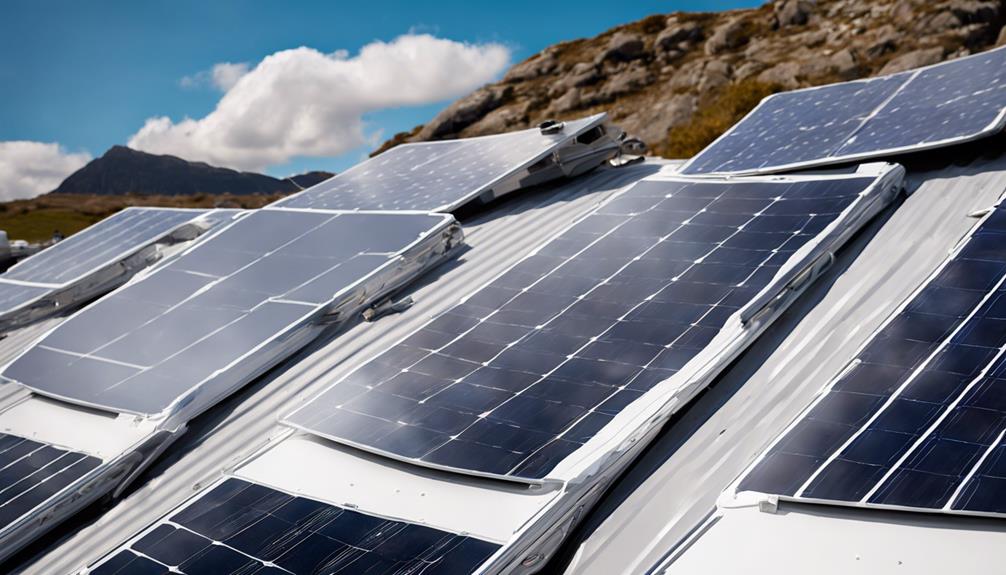
Off grid solar excels in several common scenarios. For a remote cabin, a cabin solar kit or cabin solar system offers quiet, low-maintenance power to run lighting, a fridge, and a few small appliances. Solar panels for off grid cabin setups are typically designed to be durable in harsh weather and easy to mount on a roof or pole. Tiny home solar kits and tiny house solar kit packages focus on compact, efficient systems that match limited space and moderate energy needs. Cottages and weekend homes benefit from cottage solar arrangements that allow owners to maintain refrigeration and security systems without grid service. For those seeking the best off grid solar system, the right design balances panel capacity, battery storage, and practical load management to meet lifestyle needs without overbuilding. An off-grid solar system can incorporate a solar battery backup to provide seamless power during outages.
Off grid solar kits, installation, and maintenance
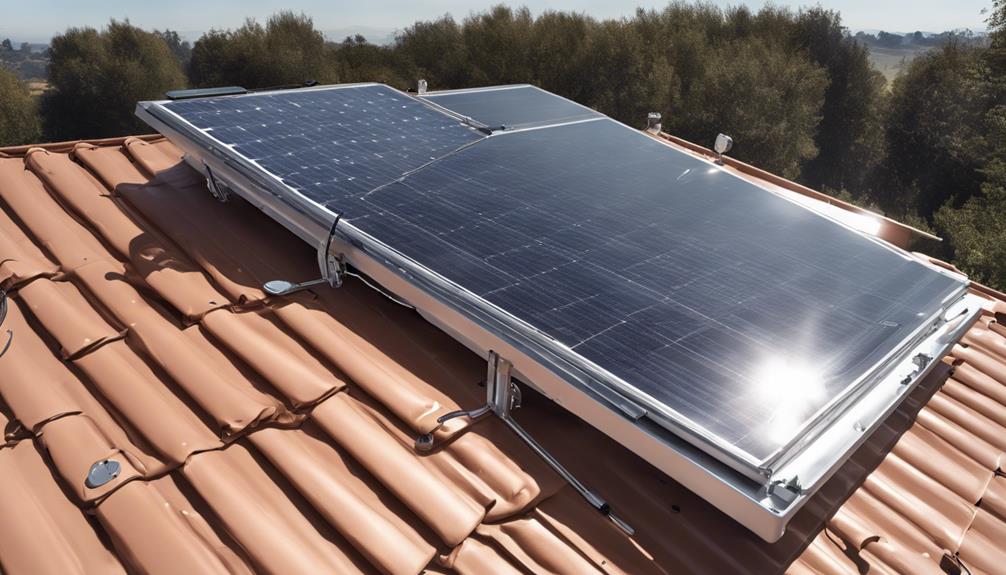
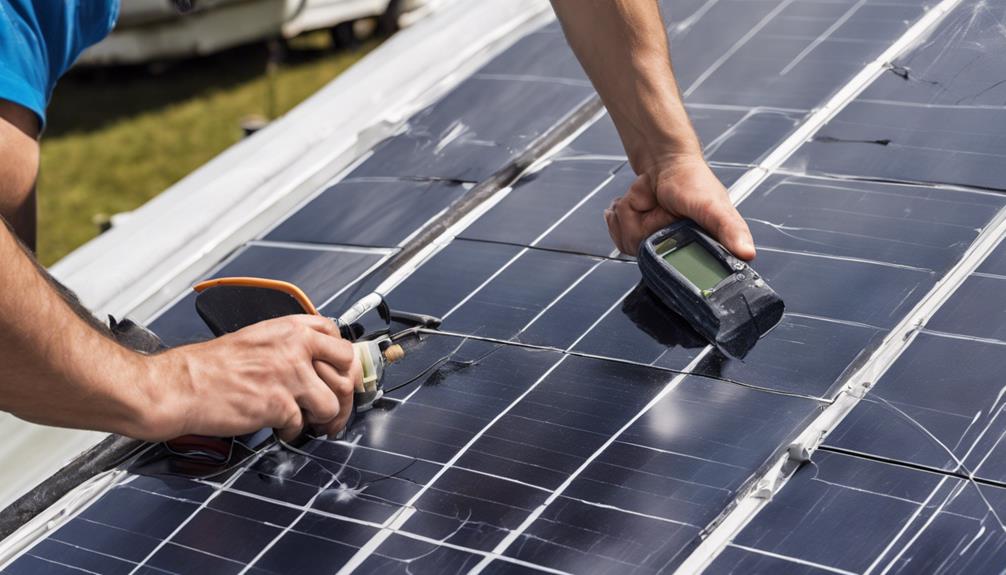
Off grid solar power kits are available in many configurations, from simple starter systems to complete off grid solar electric systems that include panels, batteries, inverters, and all necessary wiring. Off grid solar power kits simplify installation for DIYers and can reduce engineering time. However, complex or large off-grid installations often benefit from professional design and commissioning to ensure safety and optimal performance. Installation considerations include roof orientation, shading, and secure mounting for panels. Routine maintenance focuses on battery health, cleaning panels, and monitoring charge controller performance. For remote properties, choosing components with robust warranties and reliable manufacturer support is important.
Cost, financing, and choosing the right system
Upfront costs for off grid power systems can be higher than a simple grid-tied solar setup because of the battery bank and potentially larger arrays. Still, long-term savings, energy independence, and reduced fuel costs for generators can justify the investment. Financing options, incentives, and local rebates vary by region, so research available programs for renewable energy. When selecting a solar power kit for tiny house living or a more extensive off grid home kit, prioritize quality components and scalable designs. A flexible system that allows battery expansion or additional panels can adapt to changing needs and reduce future costs.
Off grid solar systems—whether small cabin solar kits or complete off grid solar systems for larger homes—offer a sustainable, resilient alternative to grid dependence. By understanding component roles, properly sizing the system for your loads, and weighing DIY kits versus professional installation, you can choose an off grid solution that fits your lifestyle. For remote cabins, tiny homes, and rural cottages, solar power for off grid living delivers reliable electricity while reducing environmental impact and long-term energy expenses.