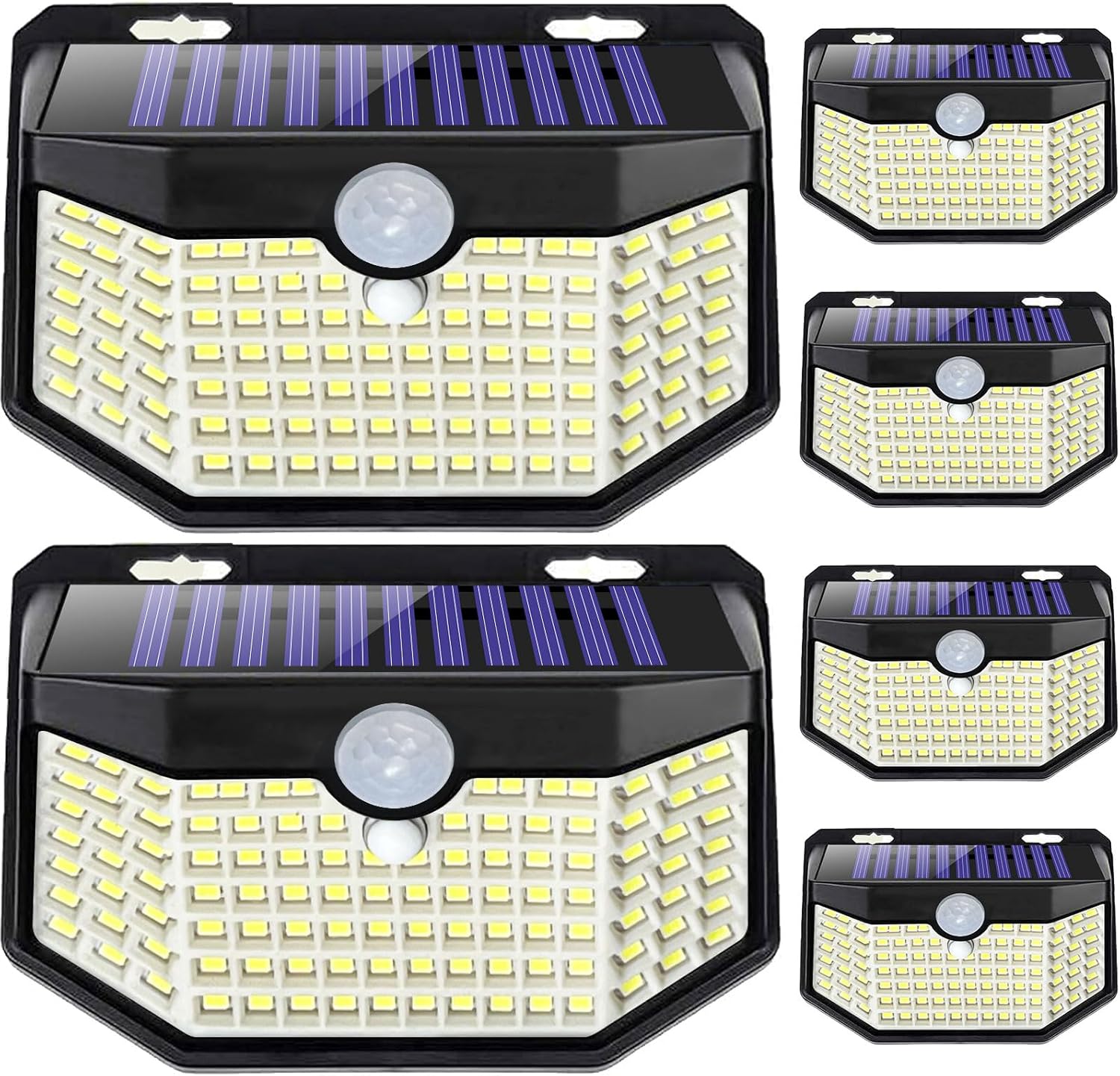
Lead: This article explains what a “solar generator” is, how PV + battery systems provide quiet, low‑emission backup power, their real strengths and limits (including against solar storms), and how to size and install one safely.
Quick takeaways
- “Solar generator” can mean a portable power station with panels or a rooftop PV system with stationary batteries (BESS).
- Solar + battery systems can automatically island and power selected loads during outages, offering quiet, emissions‑free backup for hours to days depending on size.
- They are not a perfect substitute for long‑duration fuel supplies; pairing batteries with a fuel generator is a common hybrid approach.
- Space weather (geomagnetic storms) is a real but rare hazard to high‑voltage grid equipment; homeowners should prioritize practical resilience measures and follow official alerts.
Why homeowners care about grid resilience
Severe weather is the leading cause of power outages in North America. Large, cascading failures can leave communities without power for hours or days. Historical space‑weather events show additional risk: a geomagnetic storm in March 1989 knocked out power across Quebec for about nine hours, and the 1859 Carrington event is an example of an extreme—but rare—solar storm that could cause much larger disruption today. Distributed backup at the home or facility level improves local resilience when the grid is compromised.
What is a “solar generator”?
“Solar generator” is an informal term covering two common setups:
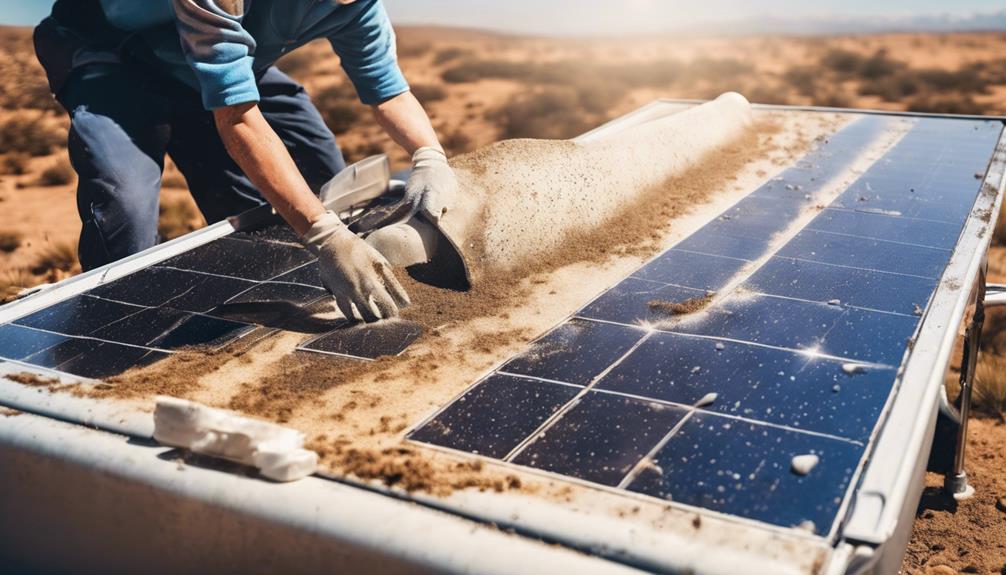
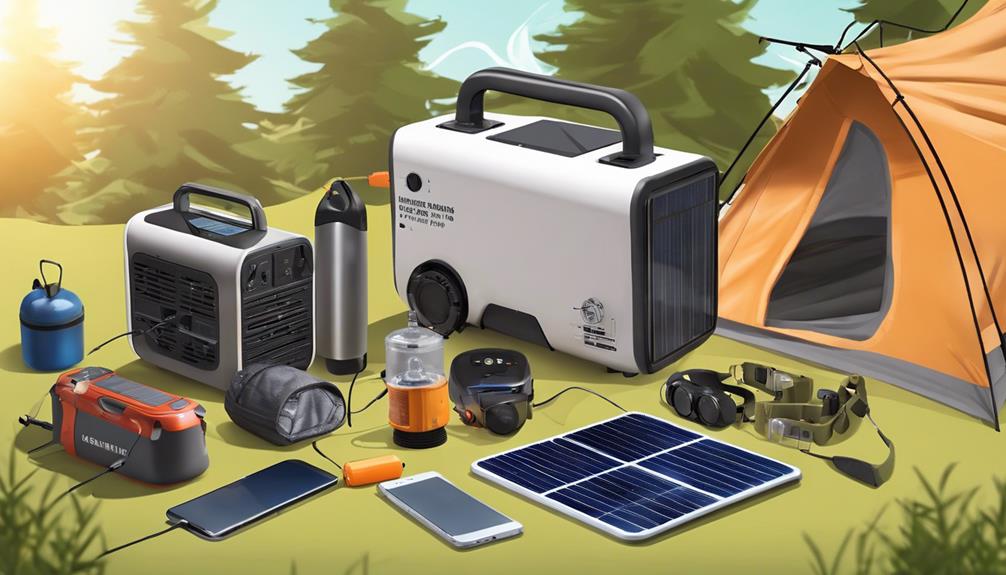
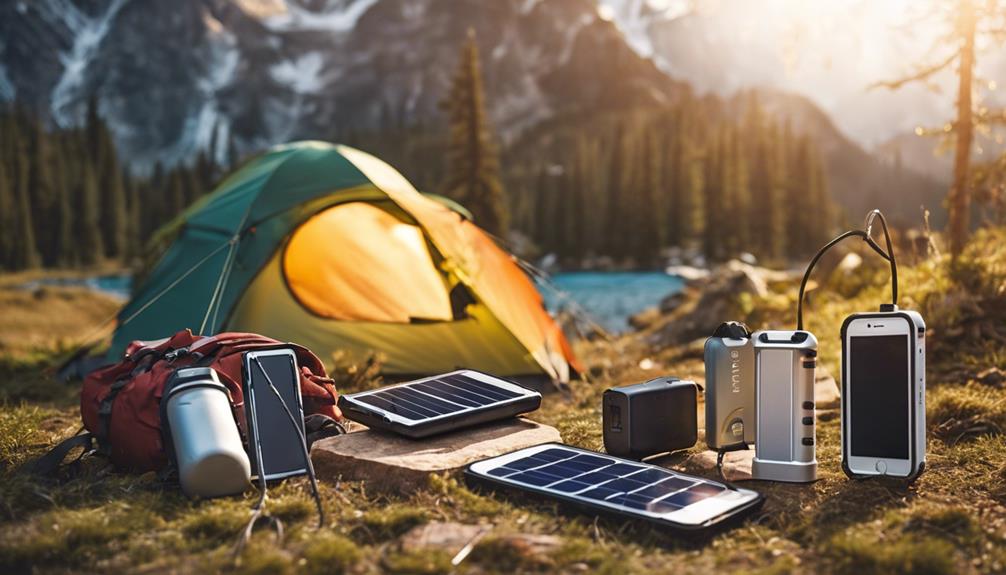
- Portable power station — a rechargeable battery pack with an inverter and sometimes integrated AC outlets; small PV panels can recharge it. Best for short outages or mobile use.
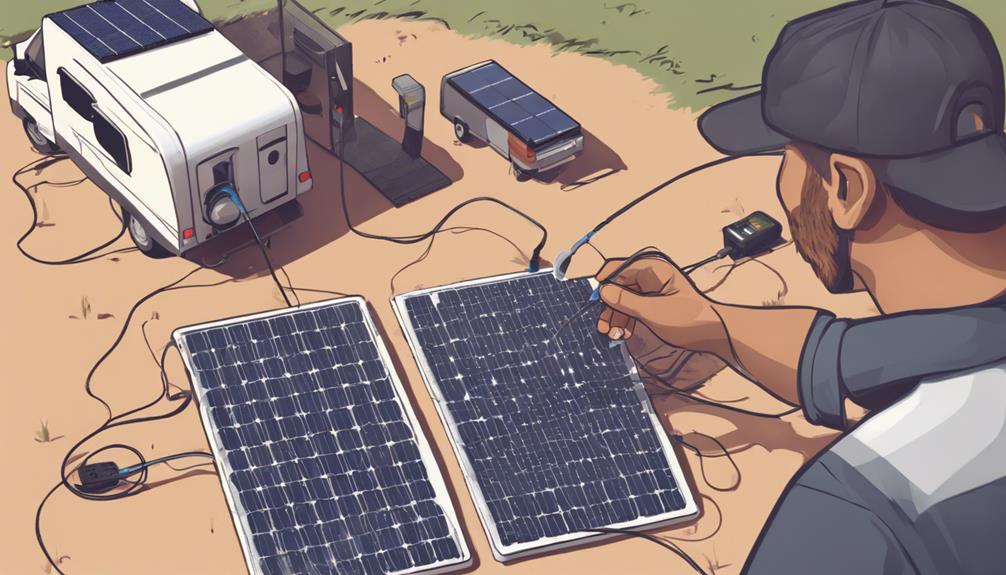
- PV + battery energy storage system (BESS) — a rooftop/ground PV array paired with stationary batteries and an inverter/transfer system for whole‑home or critical‑load backup.
Key components: PV panels, battery storage, an inverter (ideally a grid‑forming type for standalone operation), and transfer equipment or a critical‑load subpanel to safely disconnect and supply selected circuits.
Benefits vs. limits
- Benefits: quiet, no on‑site combustion emissions, minimal routine refueling, lower day‑to‑day maintenance, fast automatic switching when configured properly.
- Limits: higher upfront cost per stored kWh versus fuel, finite run time without sun or alternate charging, lithium‑ion batteries require attention to installation and safety standards.
- Compared with combustion generators: inverter and standby fossil generators can run longer if fuel is available; combustion units emit exhaust, need ventilation, and are louder.
Sizing and a short worked example
Decide whether you need power for a few critical loads or whole‑house backup. Estimate continuous wattage and multiply by hours to get watt‑hours (Wh).
Example — essentials for 24 hours:
- Refrigerator (average) ~150 W continuous
- LED lighting (3 fixtures) ~40 W
- Router + modem ~10 W
- Phone charging, small devices ~10 W
Total continuous load ≈ 210 W. Over 24 hours: 210 W × 24 h = 5,040 Wh (~5.0 kWh). Accounting for inverter losses and preferred battery depth‑of‑discharge (DoD), you’d want roughly 25–30% more usable capacity, so a nominal battery around 6–7 kWh. Whole‑house backup commonly requires 10–20+ kWh depending on home and heating/cooling needs.
For longer outages, consider a hybrid approach: a solar + battery system sized for critical loads, plus a standby combustion generator for extended fueling.
Safety, codes, and installation
- Always use a transfer switch or an automatic transfer device and a critical‑load subpanel to prevent backfeeding the grid—this protects utility workers.
- Work with a licensed electrician or certified installer; local codes and permits almost always apply for permanent systems.
- Combustion generators must be run outdoors and away from openings to avoid carbon monoxide poisoning; install CO detectors indoors.
- Lithium‑ion batteries carry thermal‑runaway risks if improperly installed or damaged—follow manufacturer and FEMA/CDC guidance for placement, ventilation, and monitoring.
Space weather, EMP, and realistic household implications
Geomagnetic disturbances (GMDs) from solar storms can induce currents in long transmission lines and potentially damage transformers—effects are mainly a grid‑level concern, which is why utilities and agencies like NOAA and NERC plan mitigations. A Carrington‑scale event is historically rare. EMP (electromagnetic pulse) is a different phenomenon with different risk profiles and mitigations; do not conflate the two. For homeowners, practical steps—batteries, transfer switches, surge protection, and preparedness—are more actionable than attempting to harden against infrastructure‑scale events on your own.
Buying and maintenance checklist
- Usable battery capacity (kWh) and depth‑of‑discharge (DoD)
- Inverter continuous and surge watt ratings; grid‑forming capability if you want seamless islanding
- PV input rating (how fast panels can recharge the battery)
- Certifications (UL, NEC compliance) and installer credentials
- Warranty, cycle life, and manufacturer support
- Maintenance plan and firmware/monitoring features
Next steps
- List critical loads and run a simple watt‑hour calculation.
- Get quotes from licensed installers for battery + transfer equipment sized to your needs.
- Install CO detectors, follow FEMA/CDC battery safety guidelines, and register for NOAA space‑weather alerts if you want real‑time warnings.
Myths to avoid
- “Solar storms will automatically melt all transformers.” — Overstated. Large GMDs can damage grid equipment under certain conditions, but impacts depend on many variables.
- “EMP and geomagnetic storms are the same.” — They are distinct; mitigation and probability differ.
- “Solar batteries remove all need for professional installation.” — Permits, transfer switches and safety rules make licensed electricians essential for permanent systems.
Not a substitute for professional advice: consult a licensed electrician/installer and check local code and permit requirements before buying or installing backup systems. For authoritative guidance and alerts, see NOAA SWPC, DOE/NREL on solar resilience, FEMA safety guidance, NERC reports, and independent product testing sources.
Selected resources: NOAA SWPC (space‑weather impacts), DOE/NREL (solar + resilience), FEMA (generator and battery safety), NERC (grid preparedness), Consumer Reports (product comparisons).