TL;DR
If you’re a homeowner, renter, RV/boat owner, or DIYer wondering whether a solar kit makes sense: small portable and off‑grid kits are great for sheds, cabins, RVs and emergency backup; full rooftop systems usually benefit from a professional design/permit process. Read on for kit types, what’s included, sizing basics, costs, safety and next steps.
How solar works — the basics
Photovoltaic (PV) modules (commonly called solar panels) are assemblies of cells that convert sunlight into DC electricity. An inverter converts DC to the AC your home uses. Battery-based systems add a charge controller and storage to hold energy for night or cloudy days. For most home applications you’ll see components combined into kits labeled grid‑tied, hybrid (grid‑tied with storage), off‑grid, and portable/plug‑in systems.
Types of solar kits (quick pros & cons)
- Grid‑tied (no battery) — Pros: lower upfront cost, simpler. Cons: no backup power during outages unless paired with battery.
- Hybrid / grid‑tied with storage — Pros: time‑shift energy, partial backup. Cons: higher cost, added complexity.
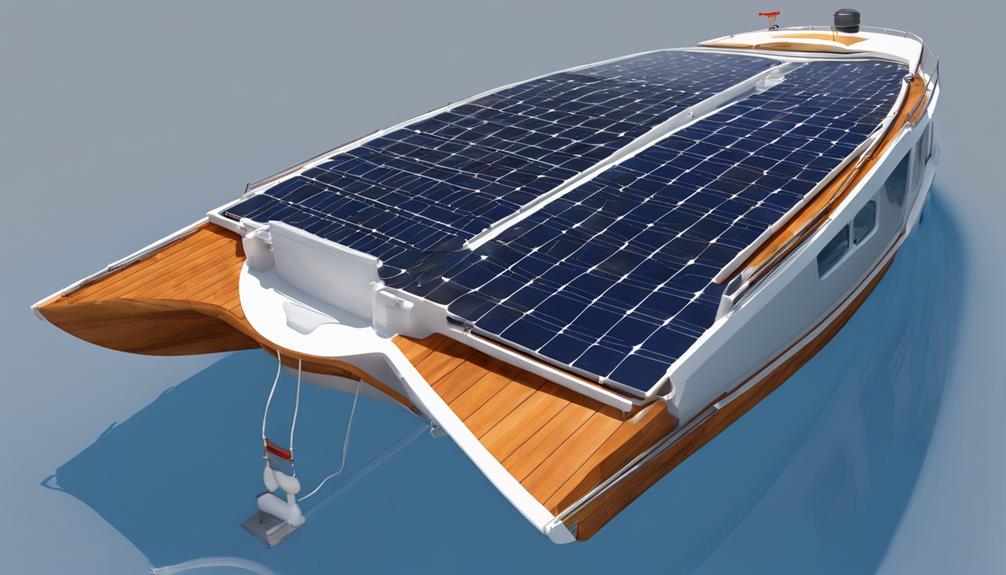
- Off‑grid kits — Pros: fully independent power for cabins/RVs. Cons: must be sized carefully; requires batteries and charge control.
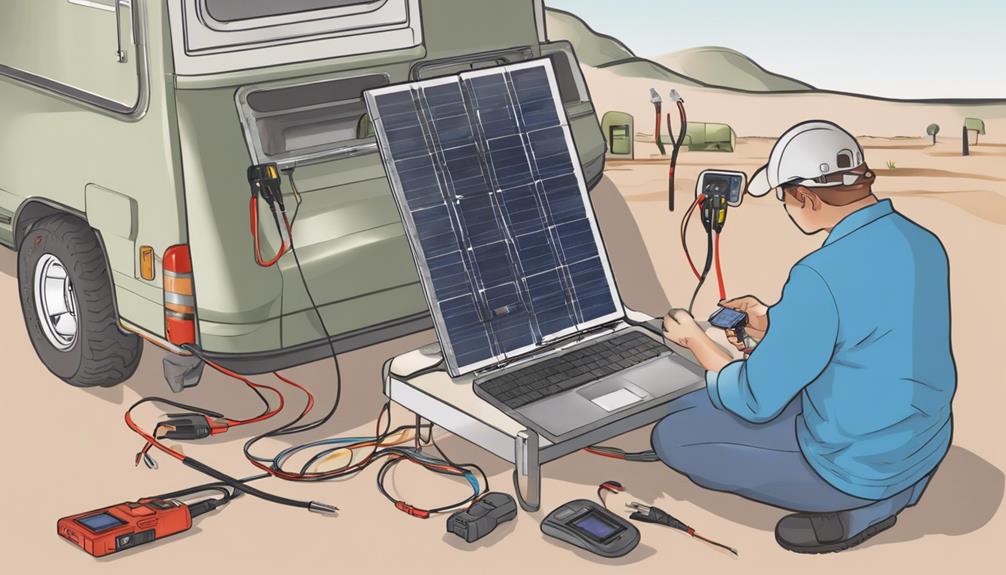
- Portable / plug‑in solar generators — Pros: easy setup, good for RVs, camping, short‑term backup. Cons: limited sustained output, often heavier/costly per watt.
What’s in a solar kit: component checklist
Typical kit items:
- Solar panels (modules)
- Mounting hardware (roof rails, ground mounts, or folding stands for portables)
- Inverter (string inverter, microinverters, or integrated inverter in portable units)
- Wiring, breakers, fuses, and disconnects
- Monitoring device or app
- For battery systems: battery bank (lead‑acid or lithium‑ion like LiFePO4) and a charge controller (PWM or MPPT)
Shopping checklist tip: verify product datasheets for panel wattage, inverter rated power, battery usable capacity, and warranty terms.
How to choose and size a kit (simple approach)
Start by estimating your usable load in watt‑hours per day. Small examples (example — your mileage will vary):
- 2 kW starter kit (tiny cabin / large RV): ~2 panels × 400–500 W each, inverter ~2 kW, battery 2–5 kWh (optional). Useful for lights, fridge, device charging — expect modest daily energy supply depending on sun.
- 6 kW typical homeowner system: ~12–16 panels (400–500 W), inverter/optimizer array sized ~6 kW, optional battery 10+ kWh for significant backup or time‑shift. Will offset a sizeable portion of a typical household load in sunny regions.
Tools such as NREL’s PVWatts or EnergySage calculators help model local generation using your ZIP code, roof orientation, and shading. Match inverter type to panels (string vs microinverters) and choose MPPT charge controllers for battery efficiency when applicable.
Costs, savings & payback (what to expect)
Installed costs vary widely by system size, region, labor, and permitting. Typical homeowner savings depend on local electricity rates and net‑metering rules — industry summaries put average residential savings in the U.S. on the order of about $1,000–$2,000/year for many adopters (example estimates; your results vary). Check state incentives and utility policies on DSIRE and consult the IRS for federal tax credit status.
Policy note (as of July 2, 2026): the federal Residential Clean Energy Credit (often called the ITC) changed in recent years — historically it was 30% through Dec 31, 2025. Always verify current federal guidance at the IRS website and search DSIRE for state/local incentives before final purchase.
Example payback methodology: estimate annual generation (kWh) using PVWatts, multiply by your $/kWh, subtract expected maintenance and financing costs to get a simple payback. Label all such models “example — your mileage will vary.”
Warranties, lifetime & performance
Most crystalline panels carry ~25‑year performance warranties; typical degradation rates are around 0.3–0.6%/year, often leaving >80–90% output after 25 years depending on conditions and product. Inverters and batteries have shorter product warranties (often 5–15 years) — check terms and what voids coverage (e.g., DIY roof penetrations sometimes affect roof or inverter warranties).
Safety, permitting & when to hire a pro
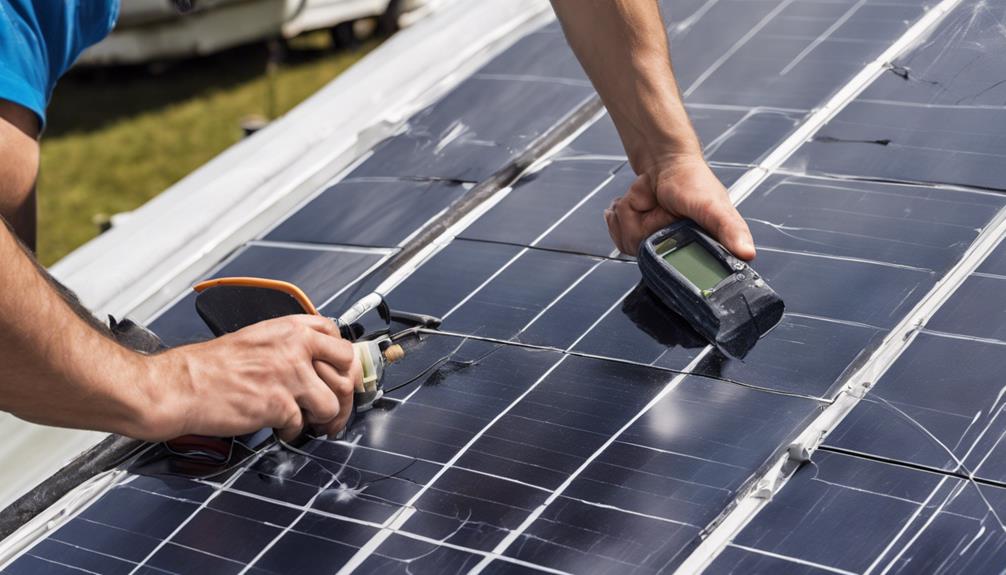
Permits, utility interconnection and electrical code compliance are commonly required for rooftop and grid‑tied installs. Portable kits and very small off‑grid setups have fewer formal requirements but still require safe wiring. If your project involves roof penetrations, structural work, or grid interconnection, hire a licensed installer or electrician.
Quick decisions
- You want backup for outages or whole‑house savings: consider a professionally designed hybrid system.
- You need a simple power source for camping/RV: a portable solar generator or small off‑grid kit may be best.
- On a rental or short‑term property: plug‑in systems avoid roof changes and are easiest.
When to call a pro
- Roof mounting on a home, grid interconnection, or permit applications.
- Complex shading, battery bank sizing, or when maximizing financial return matters.
Maintenance, recycling & environmental notes
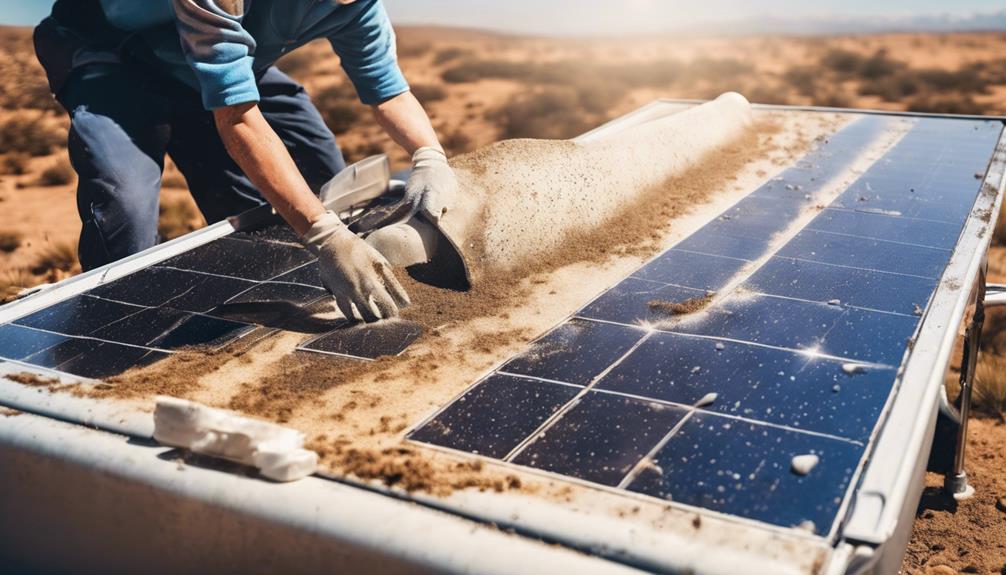
Maintenance is typically low: keep panels reasonably clean, check inverter status, and monitor output. End‑of‑life panels should be recycled via appropriate programs; modern panels are designed for long life, and recycling infrastructure is growing.
Next steps & resources
To move forward: 1) run a quick model at NREL PVWatts or EnergySage, 2) check federal incentives at the IRS (search “Residential Clean Energy Credit”), and 3) look up state/utility incentives by ZIP on DSIRE. Consult product datasheets and, where required, a licensed installer.
Disclaimer: This article is informational only. Check local codes, utility rules, and consult a licensed electrician or installer for final system design, permitting and interconnection.
Sources and guidance used: U.S. Department of Energy (Homeowner’s Guide to Solar), NREL/PV performance studies, SEIA market summaries, DSIRE incentive database, and consumer guides on EnergySage/Forbes. All numbers marked “example” are illustrative; run local models before buying.