Net zero house plans are becoming a mainstream choice for homeowners and builders who want to reduce energy costs, lower carbon footprints, and improve long-term comfort. Whether you are planning a new build or retrofitting an existing property, net zero home design balances efficient building practices with renewable energy generation to achieve zero net energy consumption over a year. This article explains what net zero house plans entail, key design principles, practical use cases across climates, and steps to take if you’re ready to move from inspiration to construction. Explore how net zero design principles can guide energy-efficient upgrades and practical home improvements.
What is a net zero house plan?
A net zero house plan outlines a home that, when fully operational, produces as much energy as it consumes annually. These plans combine highly efficient building envelopes, smart mechanical systems, and on-site renewable energy—most commonly solar photovoltaics—to offset remaining energy use. Net zero energy house plans focus on whole-house strategies rather than isolated upgrades, integrating orientation, insulation, airtightness, and systems sizing from the earliest stages of design. The goal is not only to reduce utility bills but also to enhance resilience and indoor comfort.
Core design elements in net zero home design plans
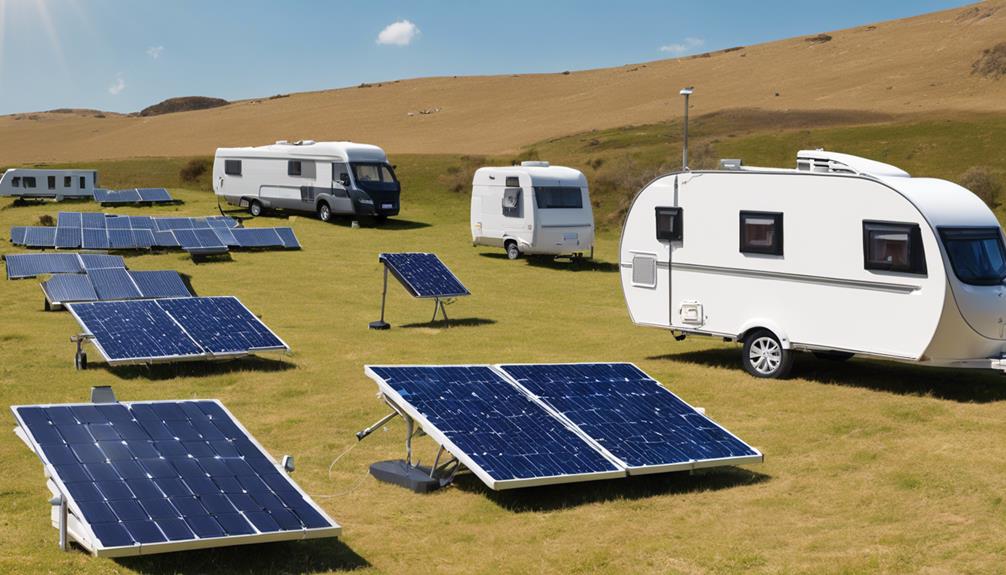
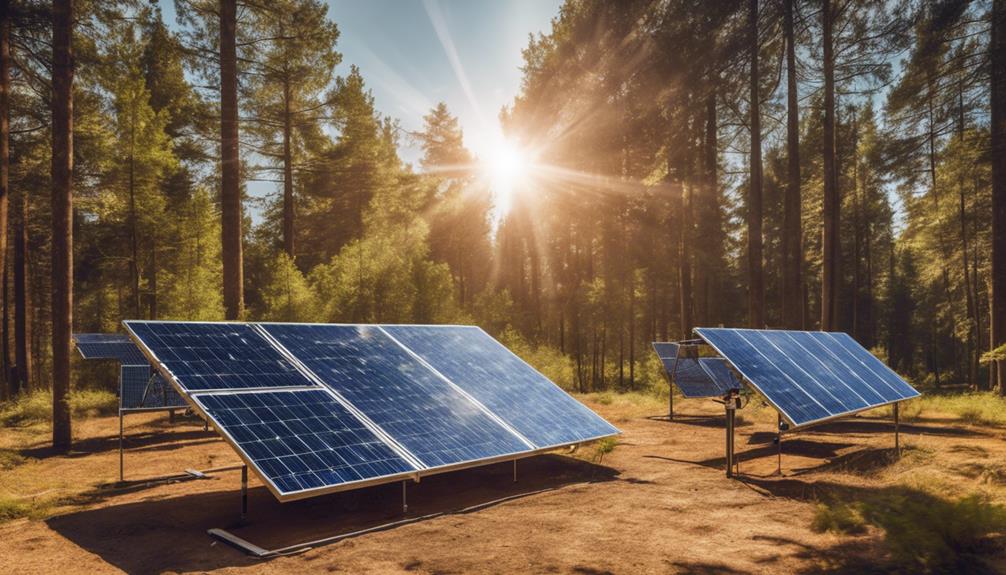
Successful net zero home design begins with passive strategies that minimize energy demand. This includes careful site orientation to maximize solar gain in winter and shading in summer, high-performance windows, continuous insulation, and strict air-sealing details. Mechanical systems are then selected for high efficiency: heat pumps for space heating and cooling, heat pump water heaters, and energy-efficient ventilation with heat recovery. Lighting and appliances are specified for low energy use, and smart controls help match demand with renewable production. Finally, rooftop solar arrays or ground-mounted PV systems are sized to meet the home’s annual energy profile, often paired with battery storage for better self-consumption and resilience.
Practical use cases: new builds, retrofits, and different home types
Net zero house plans are adaptable to many contexts. In new construction, architects and builders can optimize orientation, envelope continuity, and mechanical distribution from the outset, making net zero easier and often less expensive to achieve. For existing homes, net zero home design plans focus on staged improvements: incremental envelope upgrades, heating system replacement with heat pumps, and gradual addition of solar generation. Small footprint homes and accessory dwelling units can achieve net zero with relatively modest PV arrays, while larger family homes require more careful load reduction and panel planning. Multi-unit buildings and townhouses can also follow net zero energy house plans by combining shared renewable systems with high-efficiency communal mechanicals.
Climate-specific considerations for net zero house plans
Climate influences the balance between heating, cooling, and ventilation strategies in net zero house plans. In cold climates, increased insulation, triple-pane windows, and heat recovery ventilation are crucial to minimize heating loads, while larger south-facing glazing can provide passive solar gains. In hot and humid regions, shading, high-reflectance roofing, and tight envelopes paired with efficient dehumidifying heat pumps reduce cooling demand. Mixed climates require flexible systems that perform across seasons and consider humidity control and thermal mass. Designing for the local climate also informs the sizing of solar arrays and storage needs, ensuring that net zero energy home plans are realistic and cost-effective in the long term. See net zero house strategies that complement eco-friendly home improvements and sustainable living ideas.
Costs, incentives, and return on investment
Upfront costs for net zero house plans can be higher than conventional builds, largely because of better materials, performance detailing, and renewable energy hardware. However, lifecycle cost analysis typically shows strong savings through lower utility bills, reduced maintenance, and increased resale value. Many regions offer incentives—tax credits, rebates, and favorable net metering policies—that significantly reduce the capital required for solar and efficiency upgrades. When evaluating net zero energy house plans, consider total cost of ownership rather than initial construction price. Modeling tools and energy consultants can provide payback estimates and show how incentives and energy price escalation will affect long-term returns.
How to get started with net zero home plans
Begin by defining your goals: full net zero, near-net-zero, or staged improvements leading to net zero in the future. Assemble a team experienced in energy-efficient design—architects, builders, and energy modelers who understand net zero home design principles. Early-stage energy modeling helps prioritize interventions and size renewable systems accurately. Explore certifications such as Passive House, Net Zero, or LEED Zero as frameworks to guide performance targets, though the right approach depends on budget and project complexity. Finally, plan for commissioning and post-occupancy monitoring to ensure the finished home performs as intended and to capture lessons for future improvements.
Net zero house plans represent a practical path toward sustainable, resilient living within the energy efficiency and home improvement cluster. By combining passive design, efficient systems, and on-site renewable generation, these plans deliver comfort, lower operating costs, and reduced environmental impact. Whether you are designing a compact new home, retrofitting a family house, or planning a multi-unit development, net zero design principles can be tailored to fit budget and climate—turning ambitious environmental goals into achievable building projects.