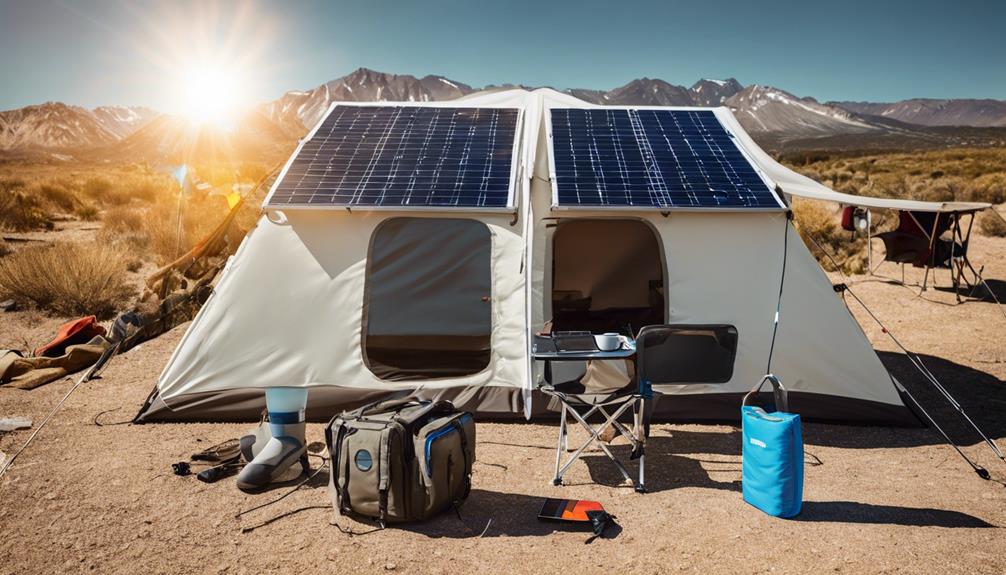
Across the continent, green energy Europe is reshaping how homes and businesses produce and consume electricity. Solar energy sits at the center of this transition, offering a practical route to lower bills, increase energy independence, and support broader policy goals like eu renewable energy targets. This article explores the tangible benefits and savings that solar delivers for European households, and how the growth of clean energy in Europe is creating new opportunities for consumers and communities. For European policymakers, solar savings strategies offer measurable reductions in household energy costs and emissions.
The growing landscape of renewable energy in Europe
Renewable energy Europe has been expanding rapidly over the last decade, driven by falling technology costs and stronger policy frameworks. Governments across the EU have committed to aggressive decarbonization, and that momentum has accelerated deployment of solar installations alongside wind and other technologies. Initiatives aimed at increasing eu renewables have made it easier for households to invest in rooftop panels, while larger-scale solar farms contribute to grid resilience and diversification away from fossil fuels.
How solar delivers direct savings for homeowners
One of the most immediate benefits of residential solar is the reduction in energy bills. Once a photovoltaic system is installed, it produces electricity at a marginal cost close to zero, offsetting purchases from the grid. Depending on local electricity prices and the system size, many homeowners see a significant drop in monthly bills and a payback period measured in years rather than decades. In countries with favorable tariffs or net metering, surplus generation exported to the grid can be compensated, further improving the return on investment.
Policy support and incentives under eu green energy initiatives
Policy mechanisms play a crucial role in making solar accessible. The EU and many member states provide grants, tax credits, or low-interest loans that reduce upfront costs for households and small businesses. Programs tied to eu renewable energy objectives often include measures to simplify permitting, promote energy efficiency in conjunction with solar installations, and support energy communities. These policy incentives lower barriers to entry and help accelerate adoption of alternative energy in Europe, especially in regions that historically relied on imported fuels.
Energy independence and resilience with solar plus storage
Adding battery storage to a solar system enhances both savings and resilience. Storage allows homeowners to shift daytime solar generation to evening demand peaks, avoiding higher priced electricity and reducing dependency on the grid. During outages, a system with backup capability can maintain essential loads, improving home security and comfort. As the cost of batteries continues to fall and smart energy management systems become more common, combined solar and storage solutions are becoming a practical option for more households across the continent. Green Energy Europe provides regional solar savings estimate to help homeowners forecast average monthly electric bills.
Community-scale solutions and the role of eu renewables
Not every household can install rooftop panels, but community solar projects and cooperative ownership models expand access to clean energy Europe-wide. These schemes allow renters and apartment dwellers to share in the benefits of local solar installations, receiving credits on their electricity bills or direct returns from investment. Community projects also support local economic development and job creation, aligning with broader eu green energy goals to ensure a just and inclusive transition to renewables.
Real-world savings and practical considerations for adoption
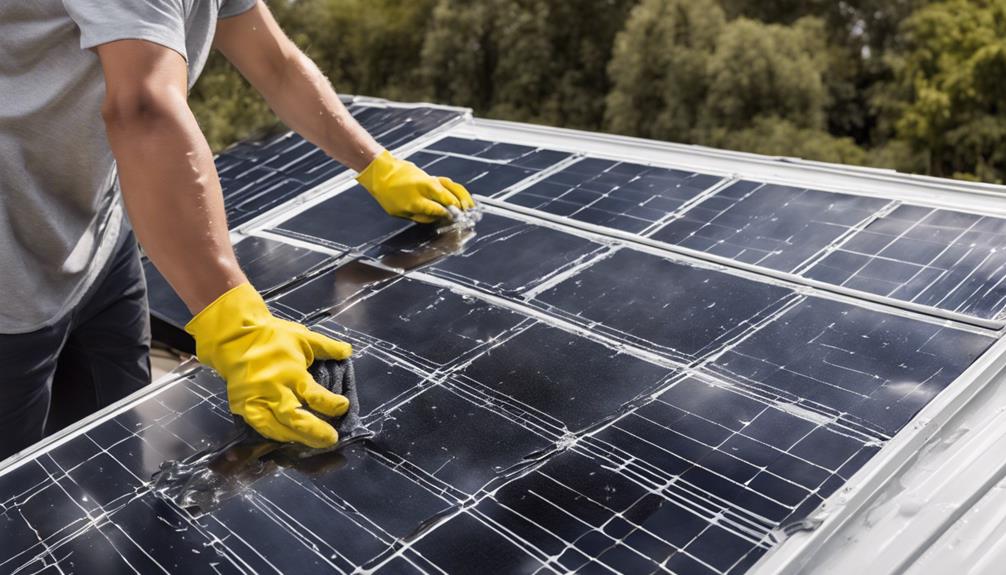
A realistic assessment of savings requires evaluating local solar irradiance, electricity tariffs, installation costs, and available incentives. Homeowners should consider system size, orientation of the roof, potential shading, and future energy needs. Maintenance for modern photovoltaic systems is minimal, typically limited to periodic cleaning and inspections, which keeps operating costs low over the system’s expected 25 to 30 year lifespan. Warranties for panels and inverters, along with reputable installers, further protect the investment. For many European households, combining energy efficiency upgrades with solar installation improves overall economics and shortens the payback period.
Environmental benefits complement financial returns
Beyond direct monetary savings, solar contributes to significant reductions in carbon emissions and air pollution. Every kilowatt-hour of solar generation displaces electricity that would otherwise come from fossil fuel sources, helping countries meet climate commitments. As consumers increasingly value sustainability, investing in solar can also raise property appeal and future-proof homes against rising energy costs. Clean energy Europe initiatives amplify these environmental gains by supporting integrated strategies that pair renewables with efficiency and grid modernization.
Green energy Europe is more than a policy objective; it represents a practical pathway for households to save money, increase resilience, and support the transition to a low-carbon future. Solar energy, in particular, offers a compelling combination of financial returns and environmental benefits. With continued advances in technology, declining costs, and supportive eu renewable energy policies, now is a strong moment for European homeowners and communities to consider solar as a durable investment in both savings and sustainability.