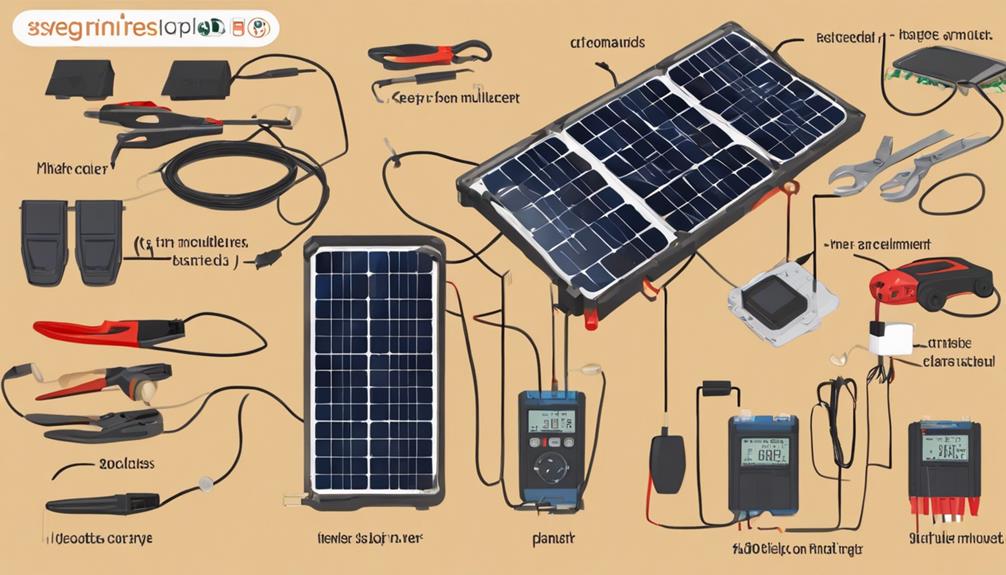
Installing residential solar panels is a significant investment, and ongoing care is essential to protect that investment. One of the first questions homeowners ask is how much they should budget for inspections and upkeep. This article breaks down solar panel inspection cost, explains what drives maintenance prices, and offers practical advice to keep long-term expenses manageable for residential solar panels. Understanding inspection costs helps homeowners evaluate home solar systems for long-term performance and savings.
Understanding solar panel inspection cost
Solar panel inspection cost varies based on whether you hire a technician for a one-time check or purchase a recurring service plan. A basic visual and electrical inspection from a certified installer or independent technician typically ranges from a modest flat fee to a few hundred dollars, depending on region and company. These inspections usually include an evaluation of panel condition, mounting hardware, wiring, and inverter performance. For homeowners asking what is the maintenance cost of solar panels, inspections are a common line item that can help identify problems early and prevent costly repairs down the line.
Key factors that affect inspection and maintenance prices
Several variables influence the total cost to maintain solar panels. System size is one of the most important: larger arrays require more time to inspect, which increases labor costs. The type and accessibility of the roof or ground mount also matter, as steep or multi-level roofs raise safety complexities and sometimes require additional equipment. The age and condition of the system affect pricing as well; older systems or those with known issues may require more in-depth diagnostic testing. Geographic location plays a role because local labor rates and permit requirements vary. Finally, whether you choose an on-demand inspection or an annual maintenance contract will significantly change the budget you need to set aside.
Routine maintenance and long-term expenses
Routine solar maintenance cost tends to be relatively low compared with other home systems, and many homeowners find that the long-term benefits far outweigh the ongoing spending. Regular inspections typically include cleaning debris, checking for shading issues, tightening electrical connections, and testing inverter output. While some homeowners ask are solar panels expensive to maintain, most routine work is inexpensive and infrequent. Over a 25- to 30-year lifespan, you should expect occasional component replacements—most commonly inverters and, less frequently, panel repairs—along with routine inspections and cleaning. Budgeting a small annual amount for maintenance will help prevent unexpected high-cost repairs.
DIY versus professional inspections
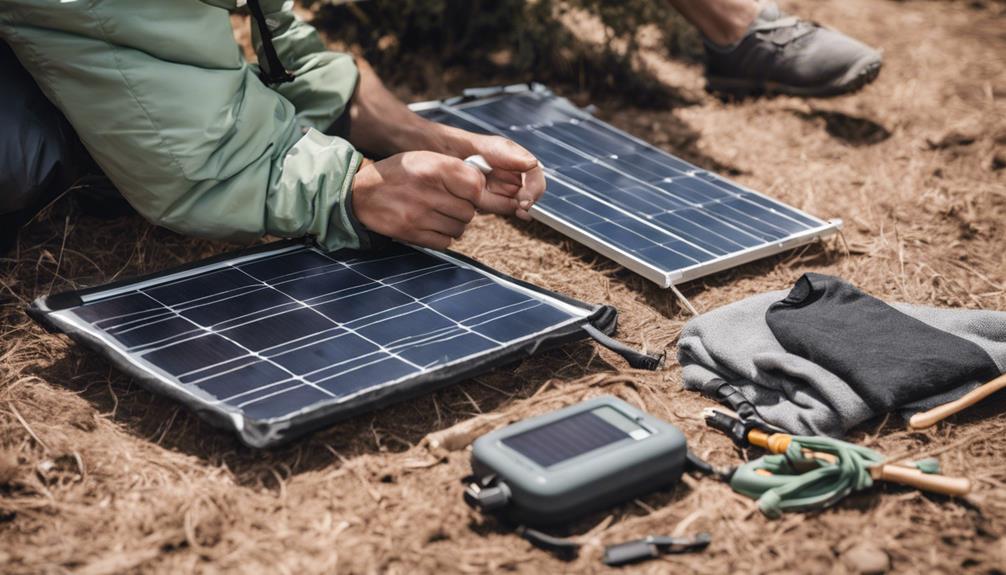
Homeowners often wonder how much does it cost to maintain solar panels if they perform some tasks themselves. Simple maintenance tasks like keeping panels free of leaves and ensuring nearby trees are trimmed can be handled without a technician, and these efforts can improve panel efficiency at minimal cost. However, electrical inspections, roof safety checks, and performance diagnostics should be left to qualified professionals. DIY work can save money on routine upkeep, but attempting repairs or complex inspections without the proper tools and training may void warranties or create safety hazards. For many homeowners, a hybrid approach—regular DIY cleaning combined with professional inspections every one to three years—balances cost savings with safety and warranty protection. Include inspection cost clauses in your solar contract to clarify who pays for panel assessments.
Practical tips to reduce solar maintenance cost
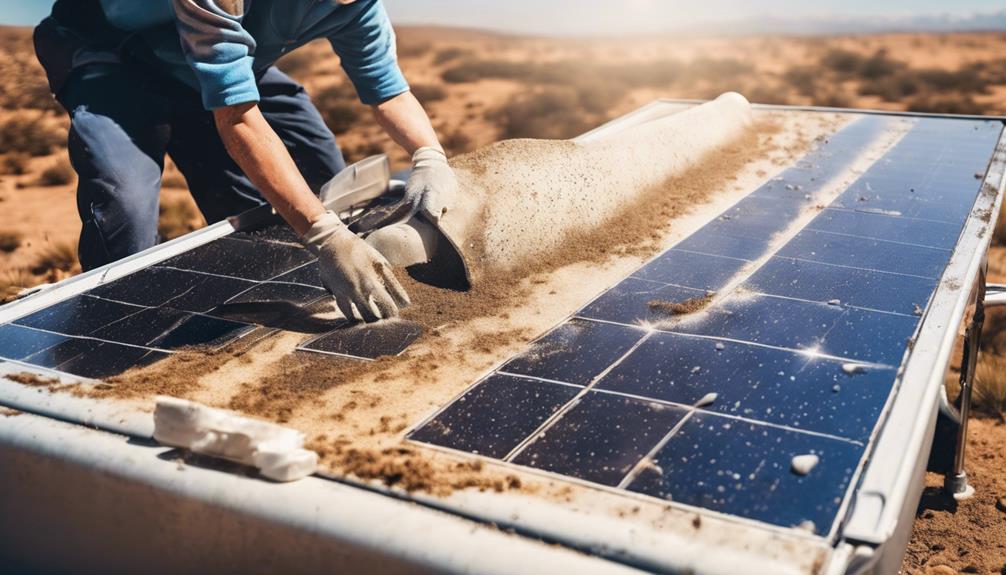
There are several practical ways to lower the overall solar maintenance cost without compromising system performance. Choosing a reputable installer who provides a clear warranty and a recommended maintenance schedule is one of the best strategies. Investing in a quality inverter and durable mounting hardware up front reduces the frequency of repairs. Monitoring systems that report energy production in real time help homeowners spot declines quickly, allowing for targeted inspections rather than full-system checks. For properties in dusty or coastal regions where soiling is common, scheduled seasonal cleanings can maintain output and avoid emergency service calls. Additionally, bundling inspection and cleaning services into an annual contract often provides a better per-visit rate than booking single visits as needed.
When to schedule inspections and what to expect
Most experts recommend a professional inspection at least once every 1 to 3 years for residential solar panels, with a more thorough check if you notice a drop in energy production. After major storms, high winds, or heavy snowfall, an inspection may be warranted to confirm there is no physical damage or loosening of mounts. During an inspection, technicians will visually inspect panels and racking, test electrical connections, measure string voltages, and evaluate inverter performance. They may also use thermal imaging to spot hot spots that indicate failing cells or connections. Having a clear expectation of what an inspection includes helps homeowners evaluate quotes and understand the value behind the solar panel inspection cost.
Understanding how much does it cost to maintain solar panels and what is the maintenance cost of solar panels allows homeowners to make informed budgeting decisions. Solar maintenance cost is typically modest compared with the energy savings and environmental benefits solar panels provide, and regular inspections protect the system’s long-term value. By combining basic DIY upkeep with periodic professional inspections and selecting quality equipment initially, residential solar owners can keep ongoing expenses predictable and manageable.
In conclusion, while solar panel inspection cost varies by system size, location, and the type of service, routine maintenance is generally affordable and essential for maximizing your solar investment. Planning for periodic inspections, staying proactive with basic care, and working with trusted professionals will minimize surprises and ensure your residential solar panels continue delivering reliable performance for years to come.