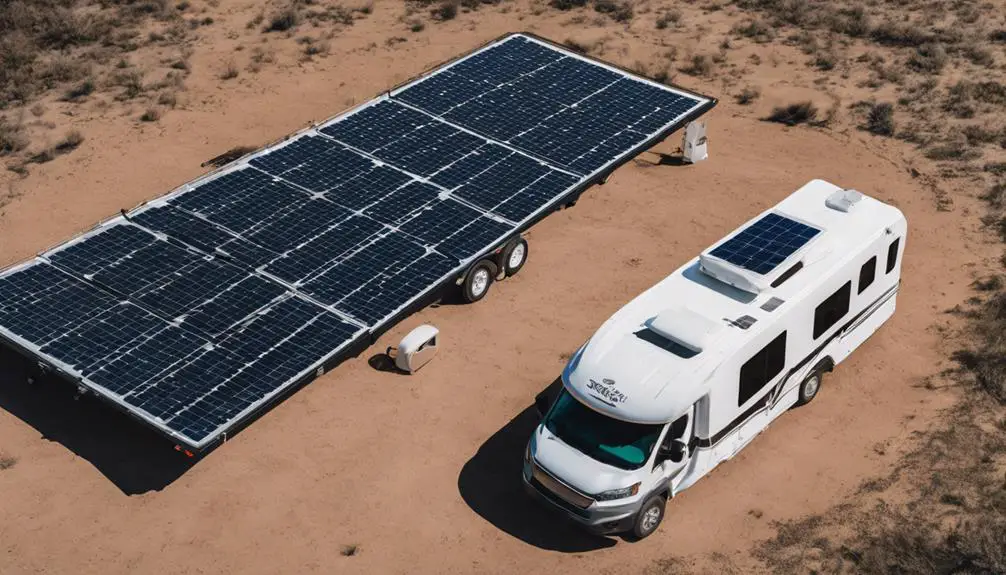
As more homeowners and businesses seek reliable, efficient ways to use solar energy, hybrid solar systems are becoming a popular choice. Combining solar generation with battery storage and grid interaction, a hybrid approach delivers flexibility that traditional grid-tied or off-grid setups cannot match. This article explains how hybrid solar systems work, what components to expect in a hybrid solar power system, real-world use cases, and practical guidance for choosing the right hybrid solar system kit for your needs. For more context, read our hybrid solar overview covering system components, benefits, and installation considerations.
What is a hybrid solar system?
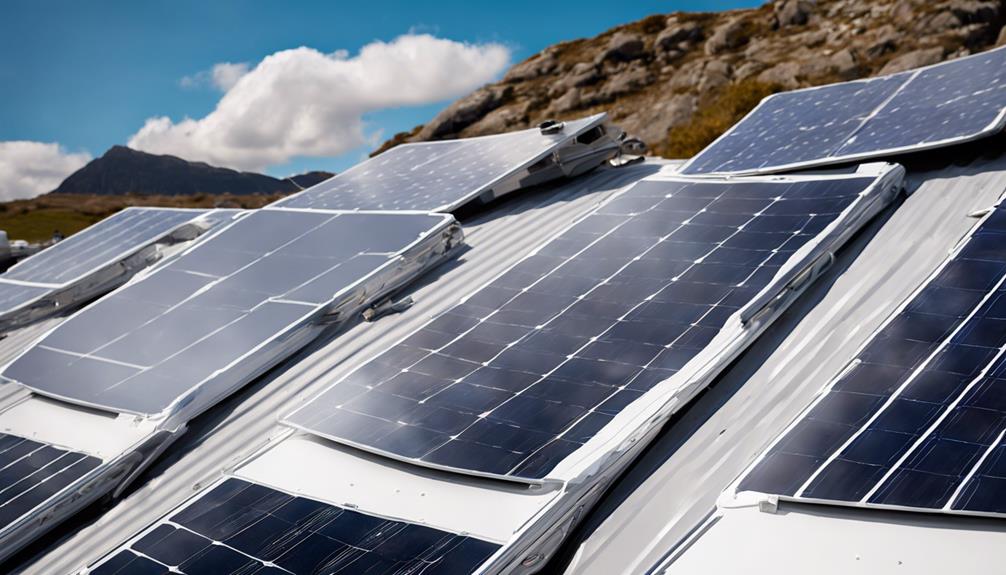
A hybrid solar system blends photovoltaic panels with battery storage and a smart inverter to manage electricity flow between the solar array, batteries, and the electrical grid. Unlike simple grid-tied systems that export excess power to the utility, or off-grid systems that rely solely on batteries, hybrid solar power provides the benefits of both: it can store surplus energy for later use, supply power during outages, and reduce peak utility bills by shifting loads. The hybrid solar panel array is the generation source, while the hybrid inverter and battery bank form the storage and management backbone.
How hybrid solar power systems work
At the center of a hybrid solar power system is a controller or hybrid inverter that coordinates energy flows. During daylight, solar panels convert sunlight into electricity. The inverter first supplies immediate household loads, then directs excess power to charge the battery. If the battery reaches full capacity, surplus energy can be exported to the grid or curtailed based on settings and local regulations. At night or during low solar production, the inverter draws energy from the battery or the grid as needed. Advanced systems include energy management software that prioritizes loads, schedules battery charging, and responds to time-of-use rates to optimize savings.
Key components in a hybrid solar system kit
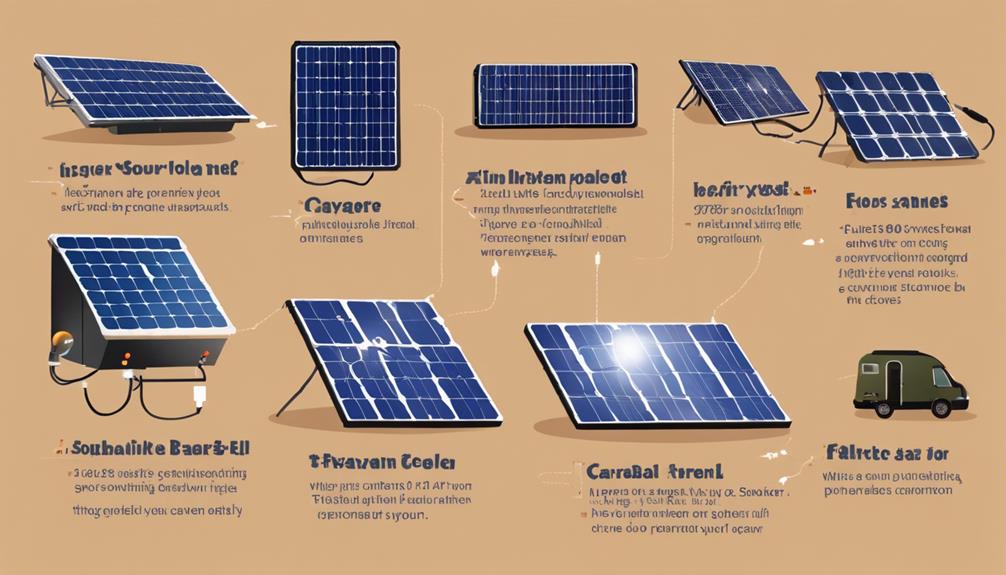
A complete hybrid solar system kit typically includes solar panels, a hybrid inverter, battery storage, mounting hardware, and monitoring equipment. Solar panels convert sunlight into DC electricity, which the inverter converts to AC for home use. Hybrid inverters are designed to handle both solar generation and battery charging, reducing the number of separate devices needed. Batteries are available in several chemistries; lithium-ion is increasingly common because of higher efficiency, longer life, and smaller footprint compared with lead-acid. Quality kits also come with safety components such as breakers, fuses, and disconnects, and often include software or a mobile app for monitoring production and state of charge.
Benefits and trade-offs of hybrid solar power
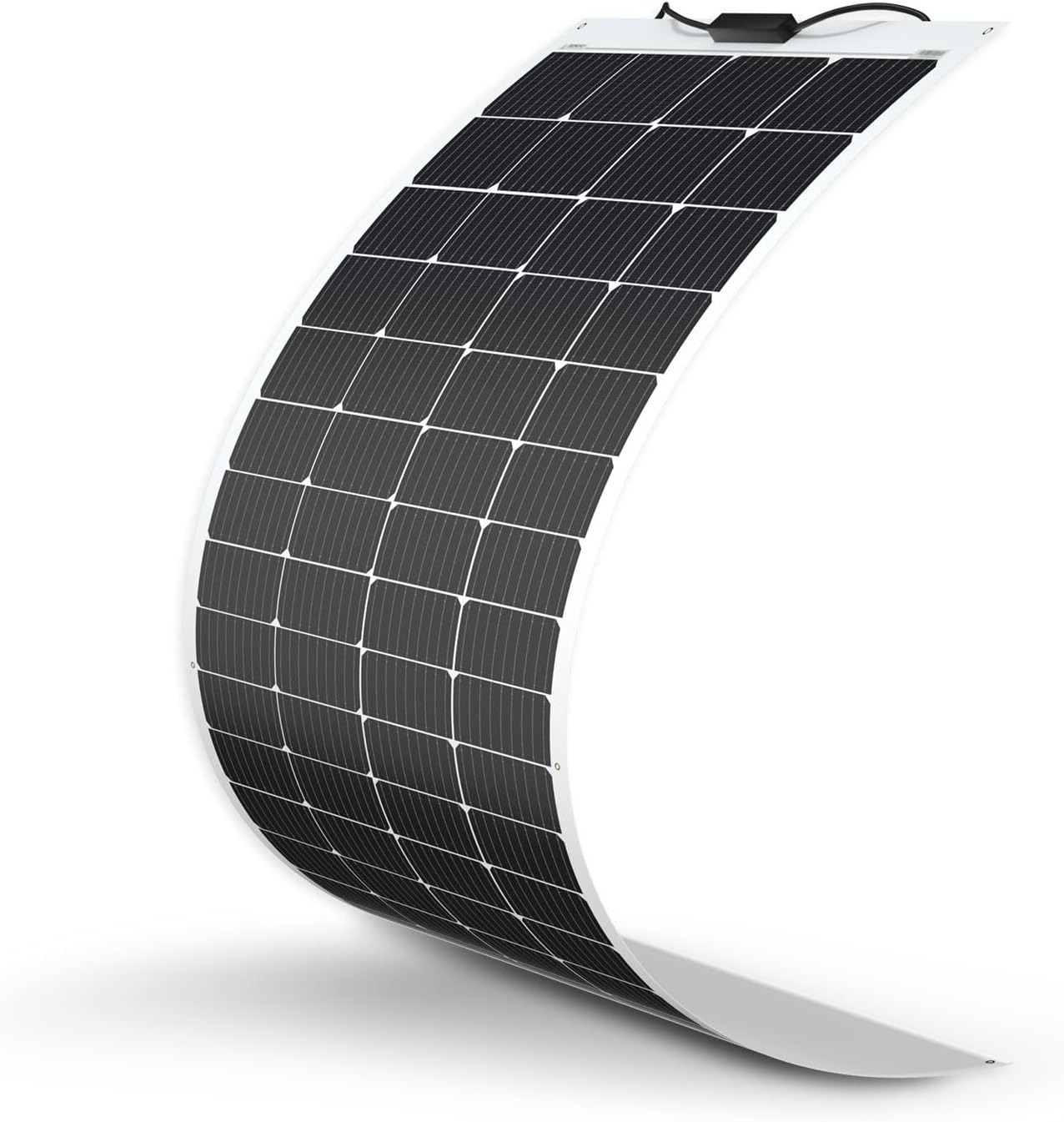
Hybrid solar power systems provide multiple advantages: resilience during outages, reduced reliance on the grid, and potential cost savings by shifting energy use to periods of lower tariffs. For homes concerned about power reliability or for regions with frequent storms, hybrid systems act as a backup supply. They also enable greater self-consumption of solar energy, which can boost the financial return compared to exporting all excess to the grid. On the trade-off side, adding batteries increases upfront cost and requires considerations around lifespan and replacement. Additionally, system design is more complex than a simple grid-tied array, so professional installation and correct sizing are important to achieve the expected benefits. For homeowners considering hybrid setups, explore integrated panel options for streamlined installation and improved performance.
Practical use cases for hybrid solar systems
Residential customers use hybrid solar systems to lower electricity bills while gaining backup power for essential circuits during outages. A typical installation might power refrigeration, lighting, and communications equipment for 6 to 24 hours depending on battery size. Small businesses such as retail shops or clinics rely on hybrid systems to maintain operations during blackouts and to manage peak demand charges. In rural areas or for agricultural applications, hybrid solar power can reduce diesel generator run time and fuel costs by combining solar generation with battery-stored energy. Hybrid systems are also useful for electric vehicle owners who want to charge their vehicles largely from solar energy while minimizing grid draw during peak hours.
Choosing the right hybrid solar system and maintenance considerations
Selecting an appropriate hybrid solar system involves evaluating energy usage, desired backup duration, roof or site constraints, and budget. Start with an energy audit to understand daily consumption patterns and peak loads. This data informs solar panel sizing and battery capacity: a larger battery increases backup time but raises cost. When considering a hybrid solar system kit, look for reputable inverters with proven firmware support and safety certifications, as well as batteries with clear warranty terms. Regular maintenance includes periodic inspections of panel cleanliness, checking inverter status messages, and monitoring battery state of charge and temperature. While lithium batteries require less frequent maintenance than lead-acid designs, all batteries should be maintained according to manufacturer recommendations to maximize lifespan.
Financial and regulatory considerations
Hybrid solar power often improves the economics of residential solar in regions with time-of-use electricity rates or limited net metering. Incentives, rebates, and tax credits can significantly reduce the cost of a hybrid solar system, but these programs vary by location and can change over time. It’s important to verify grid interconnection rules, export limits, and safety requirements for battery systems in your area. Working with experienced installers ensures the design complies with local codes and that warranty conditions are preserved. Payback periods depend on electricity prices, available incentives, and how effectively the system is managed to maximize self-consumption and offset demand charges.
Hybrid solar systems represent a versatile solution for those seeking both the environmental benefits of solar power and the reliability of stored energy. By understanding the components, benefits, and practical considerations of a hybrid solar power system, homeowners and businesses can make informed choices about system sizing, battery selection, and installation strategy. Whether you opt for a fully integrated hybrid solar system kit or a custom-designed solution, the hybrid approach offers a balanced path to greater energy independence and resilience.