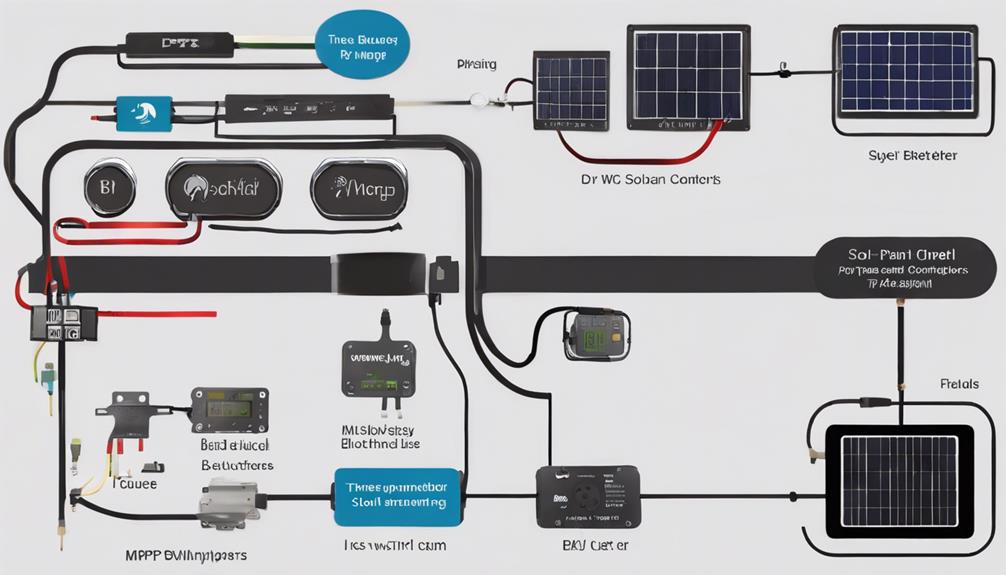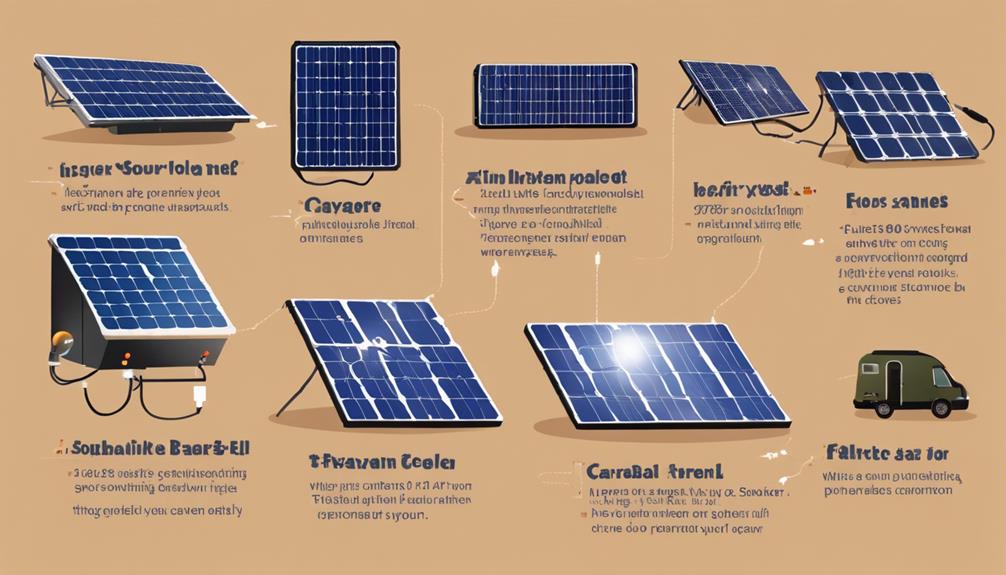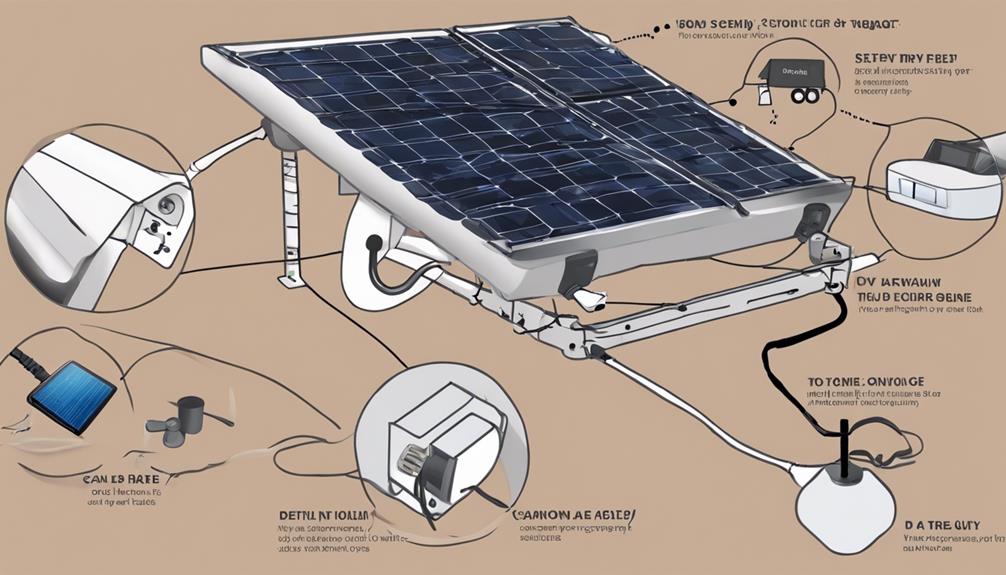
Planning a reliable off-grid solar system starts with accurate sizing, and an off grid solar calculator is the tool that makes that possible. Whether you are designing a solar-powered cabin, an emergency backup for a remote property, or a full household system outside the grid, the calculator helps translate everyday energy use, sunlight availability, and equipment choices into a practical system plan. This article explains how an off grid solar system calculator works, what inputs matter most, and how to use the results for real-world decisions. Use the off grid system sizing tool to estimate panels, batteries, and inverters for reliable off-grid solar setups.
Why use an off grid solar calculator?
An off grid solar calculator turns abstract energy goals into concrete equipment requirements. Without it, you might oversize the system and waste capital, or undersize and encounter frequent outages. The calculator provides an evidence-based estimate for the number of solar panels, the size of the battery bank, and the inverter capacity needed to meet your energy demands. It also helps account for inefficiencies such as charge controller losses, inverter conversion, and seasonal variations in solar production. For anyone evaluating off-grid solar systems, the calculator streamlines comparison between different configurations and supports budgeting and permitting decisions.
What inputs an off grid solar system calculator needs
Most calculators require a handful of core inputs to produce reliable results. First is your energy consumption, expressed as average daily kilowatt-hours. This is typically derived from appliance lists and estimated hours of use. Second is your location or average peak sun hours per day, which determine how much energy each solar panel can produce. Third are the desired autonomy days, meaning how many days you want the system to run without sun, which directly affects battery capacity. The calculator also needs component efficiencies, such as inverter efficiency, charge controller type, and temperature derating for batteries and panels. When you enter realistic numbers, the off grid solar system calculator can generate a practical system blueprint.
Energy consumption and load profile
To estimate energy consumption, list each device, its wattage, and hours of daily use, then sum the daily watt-hours. A calculator will convert this into the daily kilowatt-hour load and factor in inefficiencies. Many people underestimate standby loads from routers, refrigerators, and always-on chargers, so including those continuous draws yields more accurate sizing.
Sunlight, seasons, and location
Peak sun hours vary by location and season, and a reliable off grid solar calculator uses local solar insolation data when available. For tropical or temperate regions, seasonal adjustments are important since winter solar production can be half of summer levels. Using conservative average sun hours ensures the system performs even during cloudy periods or colder months. The off-grid solar calculator can help size batteries for a windmill generator setup with intermittent output.
How to calculate system size step by step
Begin by determining average daily energy use in kilowatt-hours. Divide that number by the average peak sun hours in your location to estimate the required solar array output in kilowatts. Then adjust for system losses by increasing the array size to account for inverter and controller inefficiencies; a common approach is to add 20 to 30 percent. For the battery bank, multiply your daily load by the number of autonomy days you want to protect against cloudy weather, then divide by the usable depth of discharge for your battery chemistry to find the required battery capacity in kilowatt-hours. Finally, size the inverter to match the peak instantaneous power draw of all simultaneous loads. An off grid solar calculator automates these steps and displays the panel count, battery amp-hours, and inverter rating so you can compare components and prices.
Practical use cases for the off grid solar calculator
The calculator is helpful across many scenarios. For a weekend cabin with limited appliances, it will usually recommend a modest panel array and a small battery bank sized for lighting and a refrigerator. For a full-time off-grid home, the tool produces a larger design with more panels, substantial battery storage, and a high-capacity inverter to handle electric cooking or well pumps. It is also valuable for mobile applications like RVs or tiny homes where space constraints force tradeoffs between panel area and battery capacity. Emergency backup systems benefit from the calculator by optimizing storage to maintain critical loads such as medical devices or home security during extended outages.
Tips to improve accuracy and reduce costs
Improving the precision of your input data will make the off grid solar calculator recommendations more useful. Measure real appliance usage with a power meter rather than relying solely on nameplate ratings, and use local solar data for peak sun hours. Consider energy efficiency upgrades before increasing system size; swapping incandescent bulbs for LEDs, improving insulation, or choosing efficient appliances can reduce required capacity and lower system cost. When comparing battery chemistries, account for lifecycle cost and usable capacity rather than just upfront price. Finally, account for installation specifics such as roof angle, panel orientation, and shading—minor adjustments in placement can yield substantial gains in annual production and reduce the need for oversized arrays.
Using an off grid solar system calculator is a practical first step toward a resilient, efficient off-grid setup. By combining accurate consumption estimates, local solar data, and realistic efficiency assumptions, the calculator provides a usable roadmap for panels, batteries, and inverters. Whether you are planning a small weekend shelter or a full-time remote home, the insights from the calculator help prioritize investments, avoid surprises, and deliver reliable power when you need it most.