Off grid electrical power systems provide reliable electricity in locations without dependable utility access, and they are increasingly popular for remote homes, cabins, farms, and emergency preparedness. Advances in solar technology, battery storage, and hybrid system controls have expanded off grid power solutions, making it easier to design systems tailored to specific energy needs. This article explains how off grid electrical power systems work, reviews off grid power options, and offers practical guidance for choosing and maintaining an off the grid electricity solution. For renewable-focused readers, see our detailed recommendations on off-grid solar setups to supplement power systems.
How off grid electrical power systems work
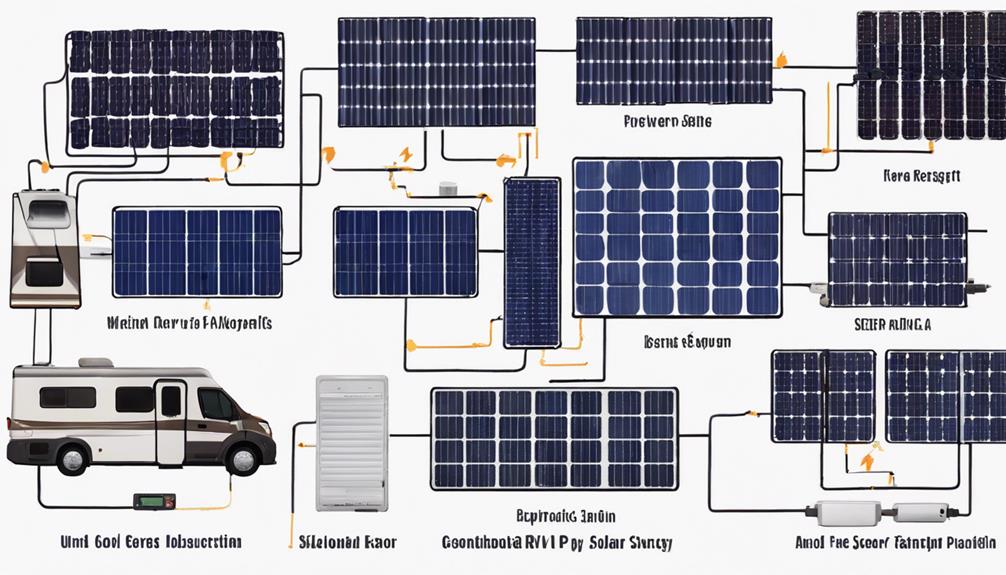
An off grid electrical power system generates, stores, and distributes electricity independently of the utility grid. The most common configuration uses solar panels to convert sunlight into DC electricity, inverters to produce AC power for household appliances, and batteries to store excess energy for nighttime or cloudy days. Controllers and monitoring systems manage charging, prevent battery overcharge, and optimize power flow. When solar alone cannot meet demand, many setups include backup generators or wind turbines as supplemental off grid power sources. By combining generation and storage, off grid electricity generation delivers continuous power even in remote locations.
Main off grid power sources and options
Choosing among off grid power sources depends on site conditions, budget, and energy needs. Solar panels are the most common off grid power option because they scale well and have declining costs. Wind turbines can be effective where wind resources are consistent, offering complementary production to solar. Micro-hydro systems provide steady generation if a fast-flowing stream is available. Diesel or propane generators remain important for backup or peak loads, while fuel cells are emerging for specialized applications. Many homeowners select off grid energy solutions that blend two or more sources, allowing flexible responses to changing weather and usage patterns.
Standalone solar system components and design considerations
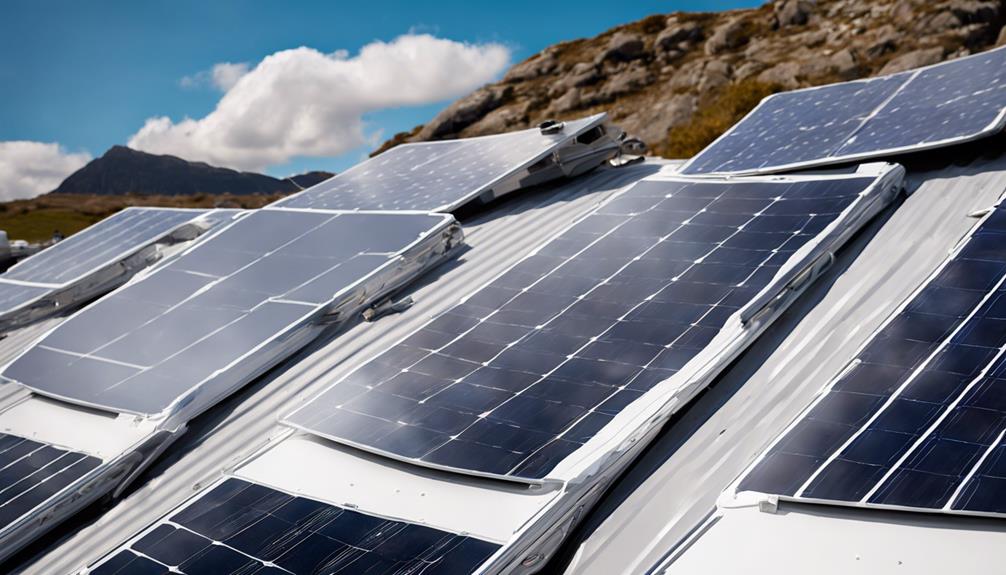
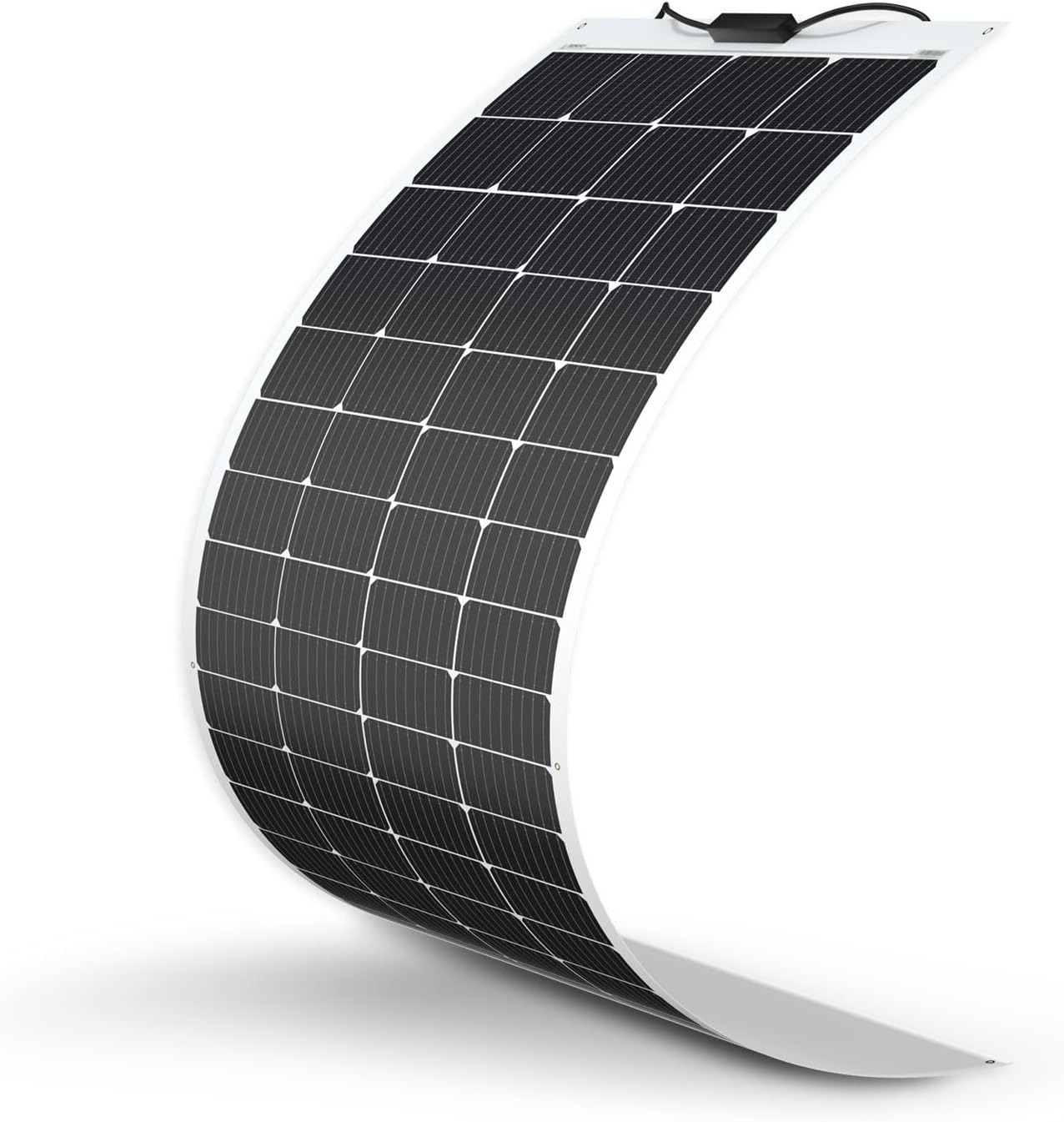
A standalone solar system, also described as a stand alone solar system in some guides, includes several essential components: photovoltaic panels, charge controllers, battery banks, inverters, and wiring with safety disconnects. Proper system sizing starts with a detailed load analysis—identifying essential appliances, estimating daily kilowatt-hour consumption, and factoring seasonal variations. Battery capacity must provide sufficient autonomy for multiple cloudy days, and inverters should handle peak startup currents from motors and compressors. Placement and tilt of panels, shading analysis, and ventilation for batteries are critical design details that impact long-term reliability and off grid electricity performance.
Off grid hybrid power systems: combining strengths
Off grid hybrid power systems merge renewable generation with conventional backup to maximize reliability and efficiency. A common hybrid approach pairs a solar array with a generator and a robust battery bank, orchestrated by smart controllers that prioritize renewable energy and run the generator only when needed. Hybrid inverters can accept multiple inputs—solar, wind, and generator—simplifying system architecture. This flexibility reduces fuel consumption and maintenance while ensuring continuous power during extended low-production periods. For many off grid solutions, the hybrid model offers the best balance between cost, resilience, and environmental impact. For remote off-grid systems, consider plug in solar panels to conveniently supplement existing electrical power.
Sizing, costs, permits, and maintenance
Estimating the cost of off grid electricity options requires balancing initial investment against long-term savings and goals. Solar panels and inverters have predictable lifespans, while batteries may require replacement every 5 to 15 years depending on chemistry and cycling. Proper sizing to match daily loads and desired days of autonomy typically increases upfront cost but reduces fuel use and generator runtime. Local permitting and inspections may be required for standalone installations, and remote locations can incur higher installation expenses. Routine maintenance includes panel cleaning, battery health checks, and generator servicing to ensure the system remains reliable. Considering maintenance and replacement timelines up front helps avoid surprises and supports realistic budgeting for off grid power solutions.
Practical use cases and benefits
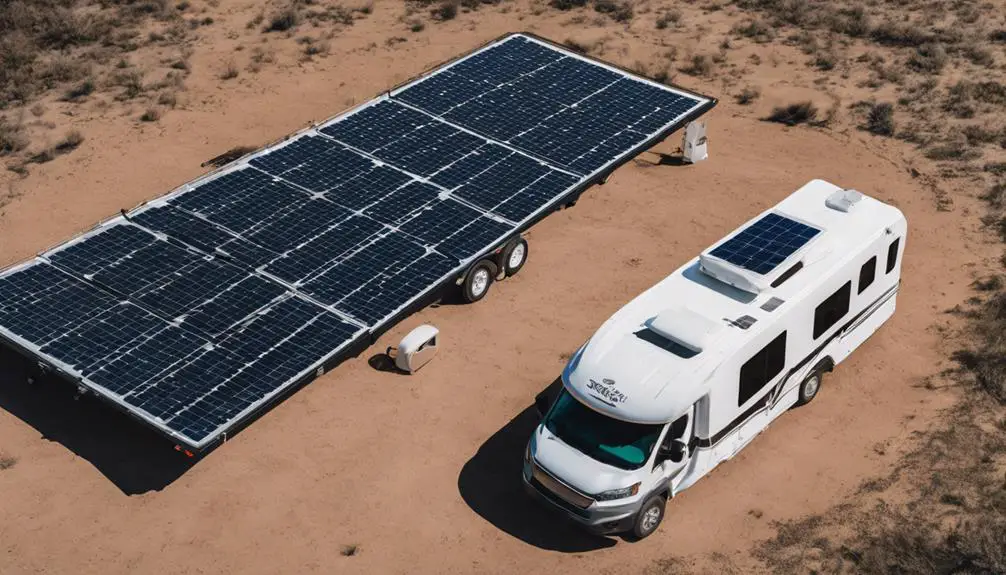
Off grid electrical power systems serve a wide range of practical use cases. Remote cabins and recreational properties gain full comfort without costly grid extensions, while rural farms use off grid electricity to power irrigation, refrigeration, and livestock systems. Emergency preparedness enthusiasts rely on standalone solar systems to maintain communications and basic household functions during outages. Off the grid electricity solutions also appeal to people seeking energy independence and reduced utility bills. In commercial contexts, off grid hybrid power systems can support telecom towers, remote research stations, and small businesses where grid reliability is poor or unavailable.
Selecting the right off grid electrical power systems involves matching generation, storage, and control strategies to your site’s resources and energy needs. Whether you opt for a purely solar standalone setup, a hybrid system with a generator, or a mix including wind or micro-hydro, careful planning and proper maintenance will deliver dependable off grid electricity. With thoughtful design, off grid power solutions provide long-term resilience, lower operating costs, and the freedom to live or operate comfortably away from the utility grid.