Camping off the grid has never been more accessible thanks to advances in portable solar technology. Solar powered camping lets outdoor enthusiasts keep lights on, devices charged, and small appliances running without hauling generators or relying on campground hookups. Whether you’re a weekend backpacker, a car camper, or building a season-long base in the wilderness, integrating a compact off grid solar system can transform comfort and safety while preserving the low-impact ethos of outdoor life. Learn how camping solar setups can scale up to power small cabins and other off-grid homes.
Why choose solar powered camping?
Solar power for camping is attractive for several reasons: it’s quiet, emission-free, and increasingly affordable. Unlike gas generators, solar setups produce no noise and require minimal maintenance. For anglers, hikers, and families setting up remote camps, the ability to draw power for LED lighting, navigation devices, GPS units, and phone charging enhances both convenience and safety. Solar energy for camping also reduces the need to carry extra fuel, decreases the environmental footprint, and can extend trips by powering small refrigerators and electric cookers when paired with a modest battery system.
Essential solar powered camping gear
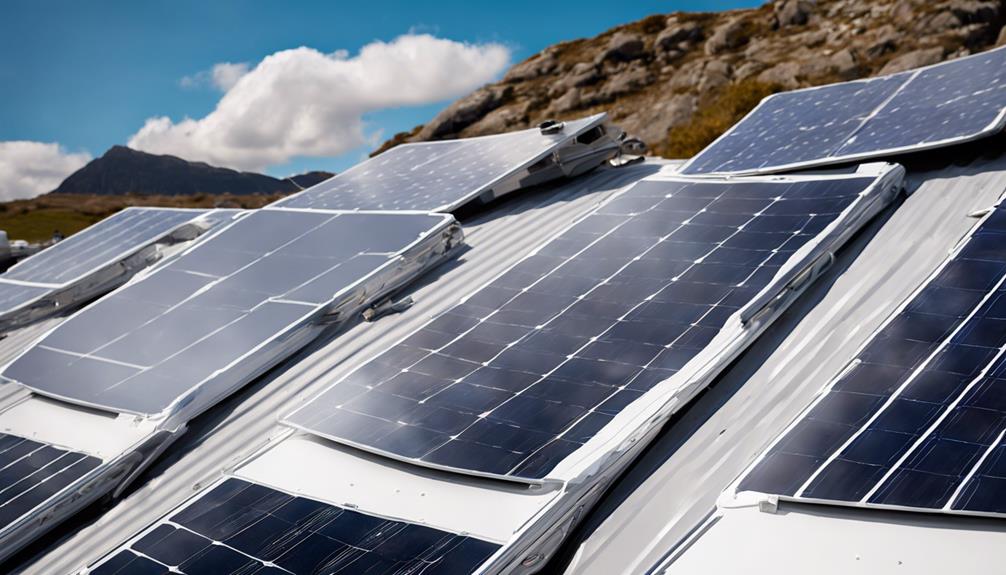
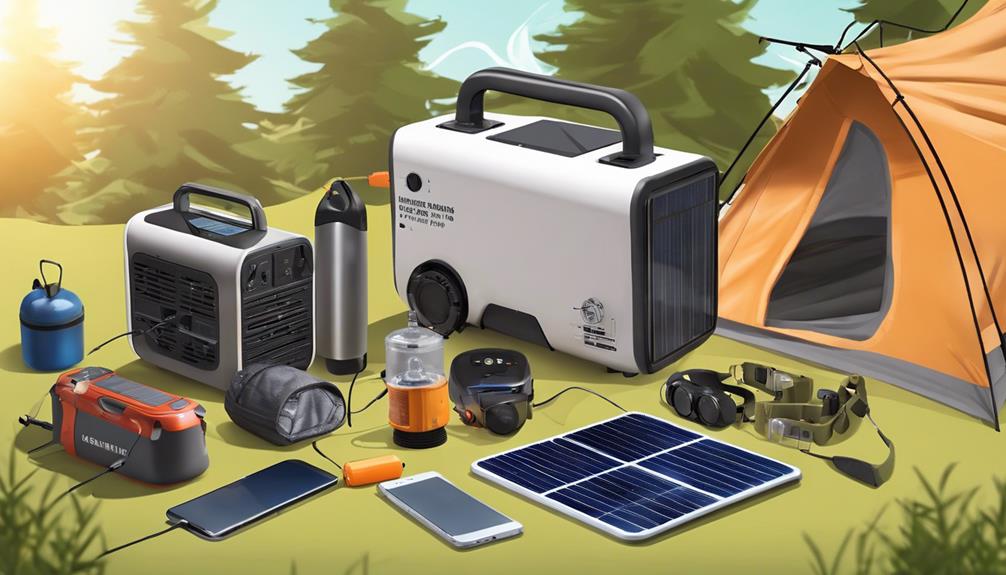
Choosing the right solar powered camping gear depends on how you camp. For minimalist backpackers, a lightweight foldable panel and a small power bank can keep phones and headlamps charged. Car and RV campers benefit from rigid or flexible roof panels, portable panel solar camping kits, and higher-capacity power stations. Typical essentials include a solar panel or panels, a charge controller (preferably MPPT for efficiency), a battery or power station (LiFePO4 options are popular for their weight and cycle life), and the appropriate cables and mounts. Other useful items are solar lanterns, USB solar chargers, and integrated tent panels that provide small amounts of lighting and phone charging. When shopping, look for rugged, waterproof panels with good conversion efficiency and durable connectors that hold up to outdoor use.
Sizing a portable off grid solar system for camping
One of the most practical tasks is sizing a system to match your power needs. Start by listing the devices you want to run and estimating daily watt-hours. A smartphone typically needs 5 to 15 watt-hours per charge, while an LED camping light might consume 5 to 10 watts for several hours. A small 12V camping fridge can use 200 to 600 watt-hours per day depending on ambient temperature and duty cycle. For a simple weekend setup that charges phones, runs a few lights, and powers a small fan, a 100-watt panel paired with a 300 to 500 watt-hour power station often suffices. For longer stays or refrigeration, consider multiple panels totaling 200 to 400 watts and a battery bank of 1,000 watt-hours or more. Remember that panel output varies with sun angle and weather, so plan for less than peak rated output and include a charge controller to protect batteries.
Practical use cases and setup tips
Practical applications of solar powered camping go beyond charging electronics. Many campers use solar to power water pumps for campsite sinks, run small electric stoves for boiling water, and support communication equipment like satellite messengers. For overnight stealth camping, solar combined with efficient LED lighting and a power-saving mindset can go unnoticed while providing essential comforts. When setting up panels, orient them toward the sun and avoid shade from trees or vehicles. Portable panels are often easiest placed on a stable ground surface using fold-out legs, while rigid panels can be mounted on a roof rack. Keep panels clean and at a slight angle to shed dew and rain. If you plan to camp in diverse locations, consider a hybrid approach: a compact folding panel for quick charging and a larger portable battery that can be recharged at basecamp. For extended trips, consider off-grid system planning to size panels, batteries, and charge controllers correctly.
Maintenance, durability, and long-term considerations
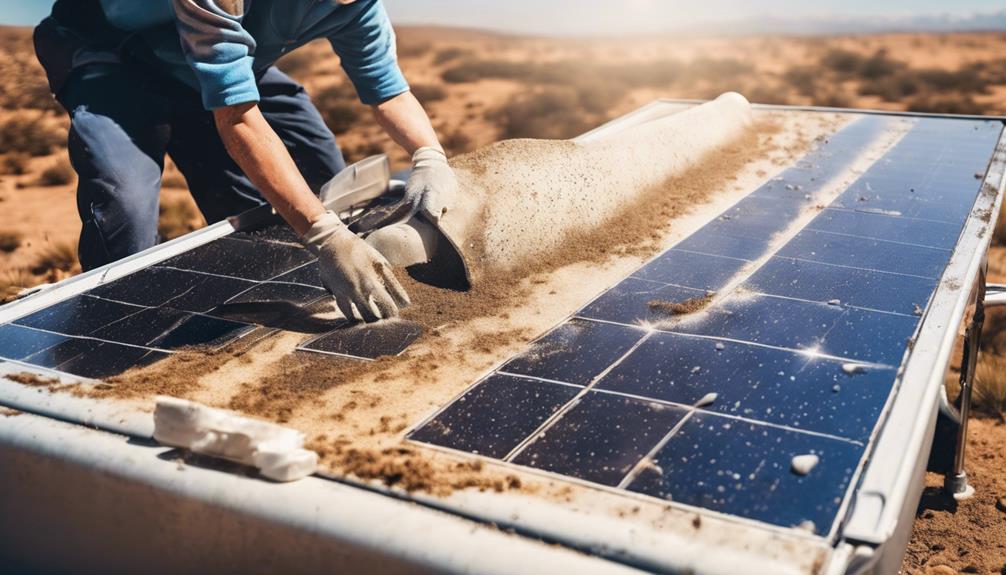
Maintaining solar stuff for camping is straightforward. Wipe panels periodically with fresh water, inspect connectors for corrosion, and store batteries in a cool, dry place when not in use. LiFePO4 batteries require less maintenance than lead-acid options and offer superior cycle life, though they cost more upfront. Pay attention to warranties and the ruggedness ratings of products intended for extended outdoor use. For off-grid solar systems intended as a pillar of your camping setup, think about expansion: modular kits let you add panels or batteries later as needs grow. If you regularly camp in cold or cloudy environments, invest in a larger battery bank or a supplemental charging method, because solar yield drops in low-light seasons.
Off-Grid Solar Systems are the broader category in which solar powered camping belongs, and approaching your campsite power needs with the mindset used for small off-grid installations ensures more reliable performance. Planning, sensible gear choices, and routine upkeep will keep your camp energized while preserving the environment you came to enjoy.
In conclusion, solar powered camping delivers a practical, eco-friendly path to longer, more comfortable stays off the grid. From compact panel solar camping kits that support basic charging to more elaborate off grid solar systems that power refrigerators and lighting for extended trips, the options span a wide range of budgets and lifestyles. By matching system size to actual energy needs, choosing durable solar powered camping gear, and following simple setup and maintenance practices, you can harness solar energy for camping in a way that enhances safety, convenience, and sustainability on every outing.