Installing solar panels in Oregon—especially for off-grid applications—requires balancing the state’s unique climate, available incentives, and the energy needs of your site. Whether you are planning a remote cabin, a tiny home, or a farm that needs reliable power away from the utility, understanding how solar performs in Oregon and how to design a resilient off-grid solar system will help you make the best decisions for long-term reliability and cost-effectiveness. Oregon homeowners interested in remote power can explore off-grid solar options tailored to local conditions.
Why choose off-grid solar in Oregon
Oregon offers a mix of coastal, valley and mountain environments, which can make living off-grid both appealing and practical. Many rural properties are beyond the reach of utility lines, and solar in Oregon provides a quieter, cleaner alternative to diesel generators. Advances in battery storage and energy-efficient appliances make full independence realistic for more households today. In addition to the environmental benefits, off-grid systems offer resilience: they keep lights on and critical systems running during storms and outages, a compelling benefit in remote areas where utility restoration could take days.
Designing an off-grid solar system for Oregon’s climate
Designing off-grid solar panels Oregon systems starts with a clear estimate of daily energy use. Calculate typical daily kilowatt-hours by listing appliances, lighting, heating loads, and seasonal variations. Oregon’s solar resource is lower than in the desert Southwest, but it still produces meaningful output year-round. Winter months are the limiting factor—shorter days and cloud cover reduce generation—so you should size panels and battery storage to cover the longer, darker periods or include a supplemental backup generator.
Panel placement and tilt are also important. South-facing arrays with an angle slightly steeper than your latitude improve winter harvest and help shed snow. In coastal areas, consider corrosion-resistant hardware and choose panels with strong warranties for moisture tolerance. Microclimates in Oregon can vary dramatically across short distances, so a site assessment with solar irradiance readings or a qualified installer’s input will refine system sizing.
Components: panels, batteries, inverters and controllers
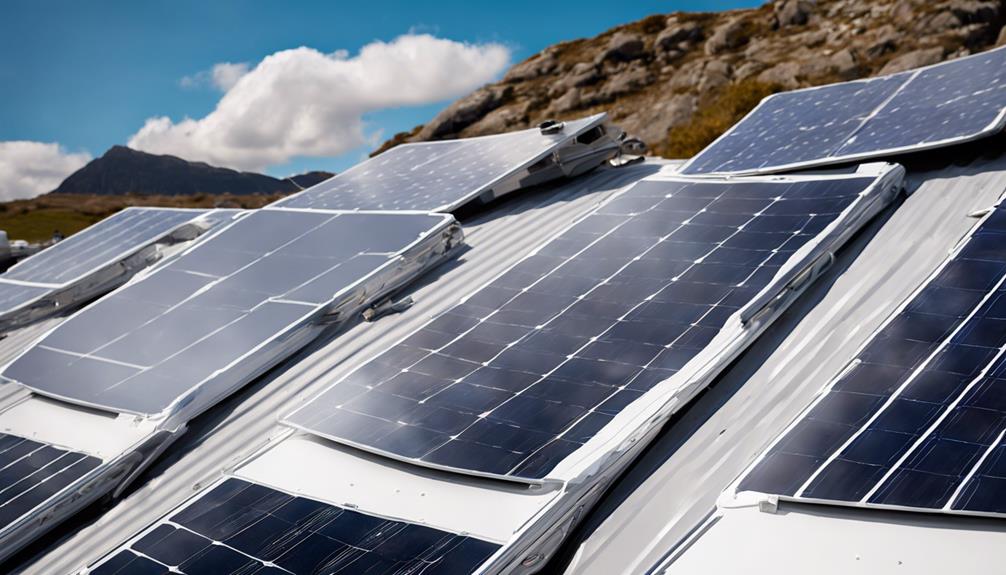
The primary components for off-grid systems are PV modules, batteries, an inverter (or inverter/charger), and a charge controller. High-efficiency monocrystalline panels are common for off-grid installations because they maximize watts per square foot—useful when roof or ground space is limited. For solar in Oregon, panels with good low-light performance and anti-reflective coatings can deliver better seasonal output.
Battery choice is critical. Lithium-ion batteries offer higher usable capacity, longer cycle life, and more compact footprints than traditional lead-acid batteries, though they carry a higher upfront cost. Proper battery management with a smart battery management system extends life and ensures safety. Inverters should be sized for both continuous loads and surge requirements (for example, well pumps or electric water heaters). MPPT charge controllers optimize panel output, which matters in variable cloudy conditions.
Permitting, incentives, and local considerations
Before installing solar panels Oregon property owners should review local permitting and inspection requirements. County and city rules vary, and off-grid systems sometimes need separate approvals for battery and generator installations. Many installers handle permitting, but verifying requirements early avoids delays. Oregon solar panels can support portable solar cooling systems, making RV summers far more comfortable off-grid.
Incentives for solar in Oregon change over time. Homeowners should explore the federal Investment Tax Credit for qualifying systems and look up current state or utility programs that support renewable installations or battery incentives. Although net metering primarily applies to grid-tied systems, understanding local utility policies helps if you consider a hybrid approach—where a system is grid-connected with a backup battery and can operate off-grid when needed.
Practical use cases and maintenance for off-grid living
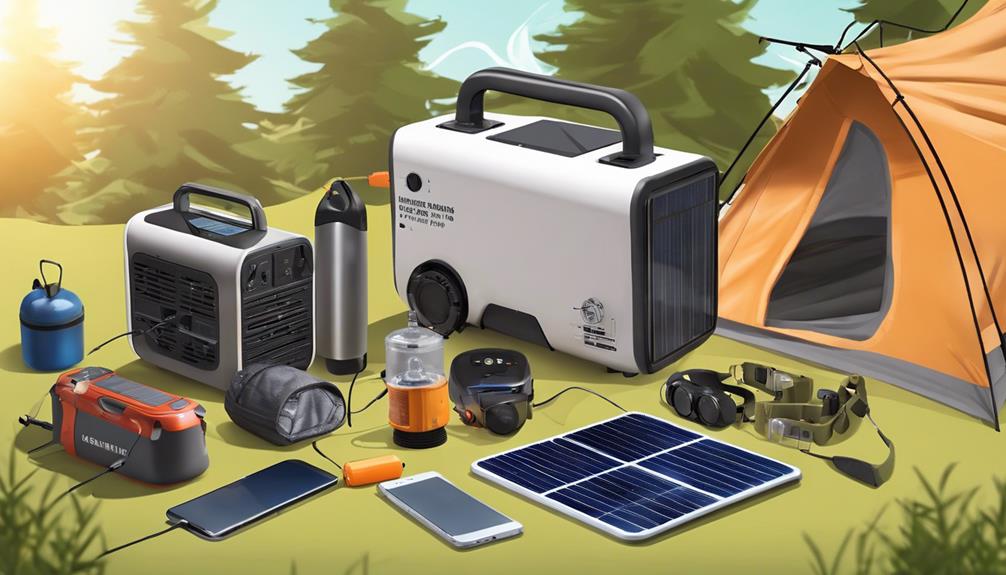
Off-grid solar systems in Oregon support a range of use cases. Remote cabins and vacation properties are common candidates, providing basic comforts with minimal maintenance. Tiny homes and eco-communities use off-grid designs to minimize environmental footprint while maximizing self-reliance. Agricultural operations and irrigation pumps can be powered reliably with appropriately sized arrays and battery backup, reducing fuel costs and maintenance compared with gas-powered generators.
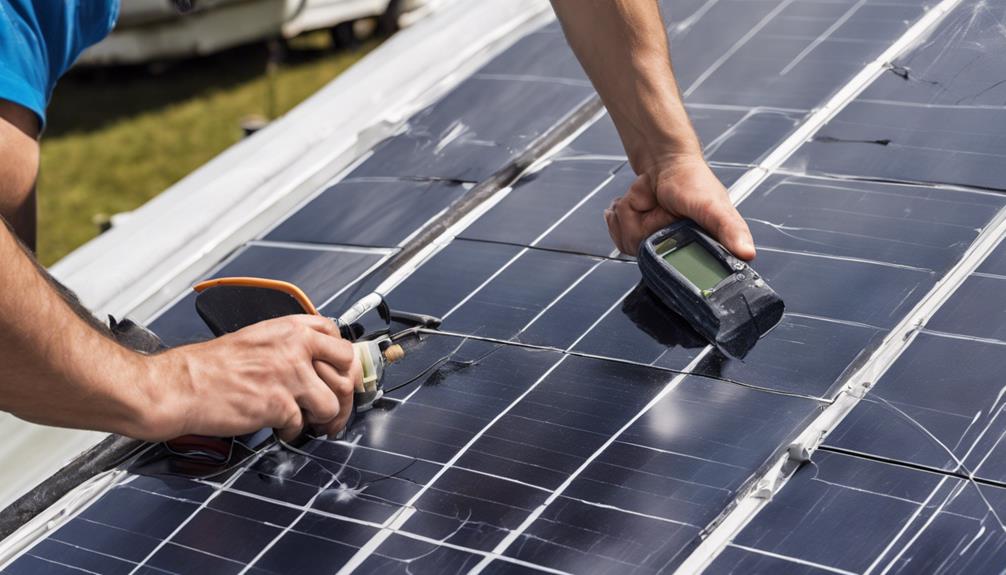
Maintenance is straightforward but important for longevity. Panels require occasional cleaning—especially in dusty or pollen-heavy areas—and periodic inspections to ensure mounting hardware, wiring, and battery connections remain secure and corrosion-free. Batteries should be checked for proper voltage and temperature management; many modern systems communicate status remotely so owners can monitor performance on a smartphone. Planning for periodic replacement of batteries and inverters in your financial model will prevent unexpected costs.
Comparing off-grid systems with hybrid and grid-tied options
Deciding between fully off-grid, hybrid, or grid-tied systems depends on access to the grid, desired level of independence, and budget. Fully off-grid systems prioritize full independence at the cost of larger battery banks and potentially higher initial investment. Hybrid systems combine the best of both: they operate primarily from solar and batteries but can draw from the grid or export excess energy when allowed, offering flexibility and often a lower battery requirement than a purely off-grid setup. For many Oregon homeowners, a hybrid approach gives resilience while keeping costs moderate.
Solar panels Oregon installations can be tailored to a wide range of lifestyles and locations across the state. With thoughtful design—correctly sized arrays, quality batteries, proper permitting, and routine maintenance—off-grid solar systems deliver reliable power for remote living, emergency preparedness, and sustainable agriculture. Evaluate your energy needs, meet with experienced designers, and plan for seasonal variability to ensure your off-grid system performs well year after year.