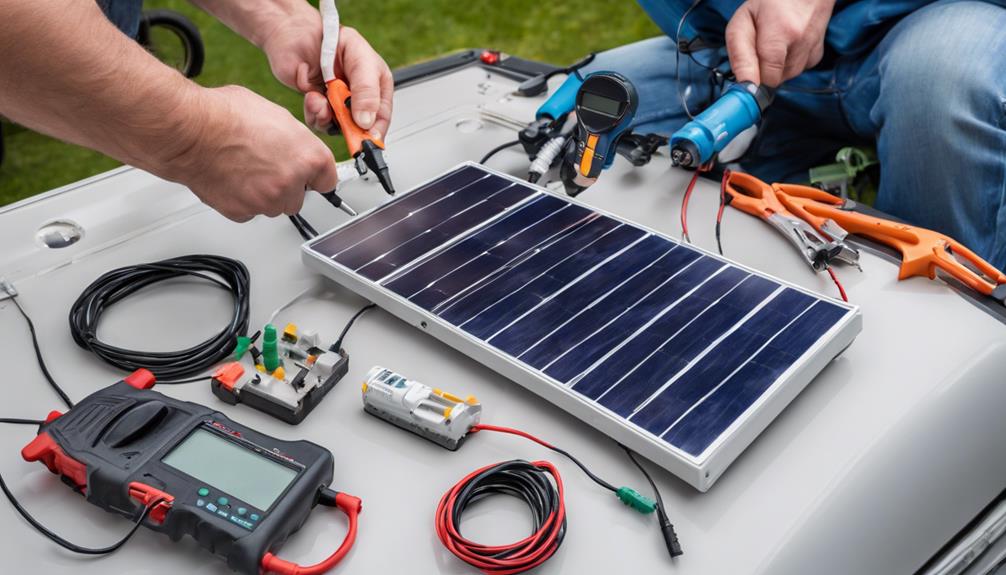
As off-grid solar systems become more common for remote homes, cabins, and small businesses, innovations in mounting hardware are helping reduce cost, weight, and installation time. One such innovation is railless solar racking, a system that eliminates traditional long rails and instead secures solar panels directly to roof or ground anchors. For off-grid projects where simplicity, portability, and low-profile installation matter, railless solutions provide a compelling alternative to conventional rail-based mounts.
Consider railless mounting solutions to simplify panel installation and boost reliability in off-grid systems.
How railless solar racking works
Railless solar racking relies on clamps, brackets, and engineered frames that attach panels directly to the mounting surface. Instead of mounting panels to long aluminum rails that run across a roof or rack, the individual clamps fasten into structural points such as rafters, beams, or ballast trays. This rail less solar racking approach reduces material requirements and often lowers wind uplift exposure because panels sit closer to the roof plane. For ground arrays, railless systems may use adjustable pedestals or modular frames that interlock with panel frames without continuous rails.
Benefits for off-grid solar systems
For off-grid installations, every pound of hardware and every hour of labor affects total project cost and complexity. Railless solar racking typically weighs less and uses fewer components, which reduces shipping and handling requirements—important when transporting equipment to remote sites. Lower profile systems can also simplify permitting in sensitive areas and decrease visual impact. Additionally, the reduced number of attachment points and materials often shortens installation time, which is valuable for DIY or small contractor crews working on remote projects.
Design and installation considerations
While railless racking offers advantages, careful design is essential to ensure structural integrity and longevity. Roof attachment points must be located over rafters or other load-bearing members to resist wind and snow loads. Installers should follow manufacturer instructions for torque, sealants, and flashing to prevent leaks on pitched roofs. For flat roofs, ballast and proper drainage need to be addressed so that added weight will not damage the membrane. When designing an off-grid system, coordinate panel layout with battery and inverter placement to minimize DC cable runs and energy loss.
Applications: roofs, carports, and portable arrays
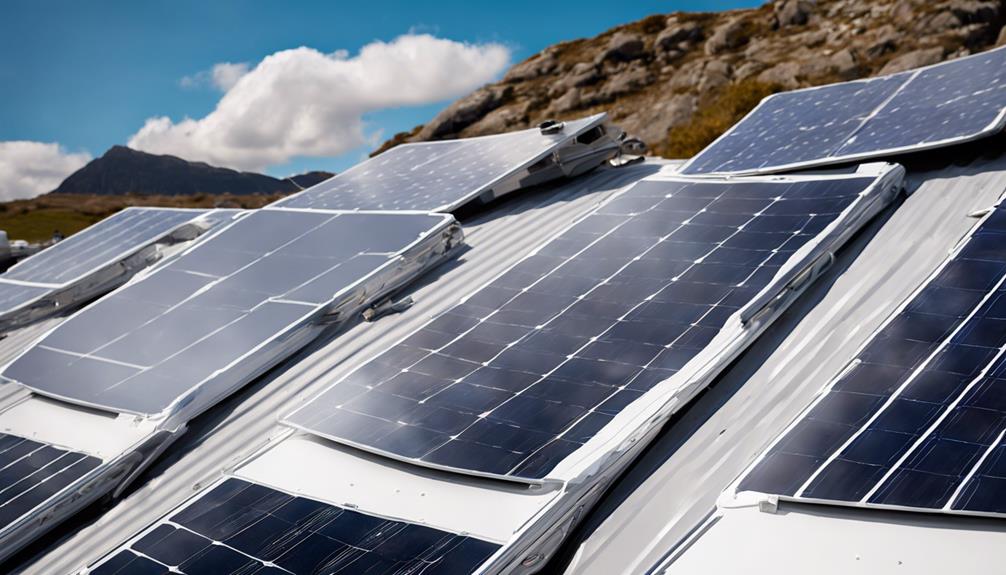
Railless solar racking adapts well to several off-grid use cases. On metal and shingle roofs, railless mounts can be clamped or flashed to provide a sleek, low-profile appearance. For carports and shade structures, modular railless frames allow quick installation of panels directly onto structural beams. Portable and seasonal systems benefit from railless designs because the reduced component count speeds assembly and disassembly. Farm and remote telecommunications sites can use railless ground frames bolted to concrete pads or helical anchors, making deployment faster in rugged terrain.
Railless Solar Racking offers lightweight mounting solutions ideal for portable solar power and off-grid setups.
Compatibility with off-grid components and performance
The choice of mounting system affects overall system performance. Panels mounted with railless hardware can be oriented and tilted to the same degrees as rail-mounted systems, allowing for optimized production in an off-grid setup. Railless mounts are compatible with common solar technologies including monocrystalline and polycrystalline panels, as well as microinverters and power optimizers. For off-grid systems that use MPPT charge controllers and battery banks, minimizing shading and ensuring consistent panel tilt are more important than the specific mounting style, so thoughtful placement and string configuration remain key.
Maintenance, durability, and long-term costs
Maintenance needs for railless systems are similar to those for conventional mounts. Regular inspections for loose fasteners, corrosion, or roof sealant degradation help avoid problems before they affect performance. Because rail less solar racking has fewer parts and fewer seams, it can reduce potential points of failure, but the individual attachment points carry greater importance and should be checked periodically. Long-term costs are influenced by initial material savings, reduced installation labor, and lower transport expenses; however, always consider warranty coverage and the reputation of the racking manufacturer when comparing lifecycle costs.
For off-grid solar systems where weight, logistics, and aesthetics matter, railless solar racking offers an efficient, reliable alternative to traditional rail-based mounts. Proper planning around structural attachments, tilt and orientation, and integration with batteries and inverters ensures that a railless approach delivers strong performance over time. Whether you are outfitting a remote cabin, a mobile array, or a rural microgrid, understanding the trade-offs and best practices for railless installations will help you design a resilient, cost-effective off-grid system that meets your energy needs.