Choosing the right solar rail is a key decision when planning a residential solar panels installation. A solar rail is the structural backbone that secures photovoltaic modules to a roof or ground mount, and the right rail system affects durability, safety, and long-term performance. This article explains what solar rails do, the main types used in homes, installation and maintenance considerations, and real-world use cases to help homeowners and installers make informed choices. Explore how Solar Rail innovations can optimize residential solar installation efficiency and rooftop energy generation.
What a solar rail is and why it matters
A solar rail is an extruded or fabricated beam that provides a mounting surface for solar panels. In roof-mounted systems, rails fasten to the roof structure via flashing, brackets, or standoffs, then receive clamps that hold the panels in place. For ground mounts, rails run between posts or frames to support arrays. Beyond simply holding panels, solar panel rails play a role in electrical grounding, wind and snow load resistance, and ease of installation. Choosing the right solar rail affects the system’s lifespan and safety, especially in areas with heavy weather events.
Common types of solar mounting rails for residential roofs
Residential solar mounting rails come in several common designs to match roof types and homeowner priorities. Extruded aluminum rails are the most popular due to their combination of strength, light weight, and corrosion resistance. These rails often feature channels for sliding T-bolts and clamps, making panel placement and grounding straightforward. Stainless steel rails or components may be used in coastal homes where salt corrosion is a concern.
Rail-less systems are another option. These designs attach panels directly to mid clamps and roof mounts without a continuous rail, which can reduce parts and weight and improve aesthetics. However, rail-less systems may not be suitable for every roof type or spacing requirement. Tile roofs, metal standing seam roofs, and pitched shingle roofs each favor different rail styles or mounting approaches, so compatibility with roof flashing and anchoring details is essential.
Installation considerations for residential solar panel rails
Proper installation of solar mounting rails starts with a structural assessment of the roof. Installers must verify rafter spacing, roof sheathing condition, and load capacity for snow and wind. Rail attachment points are usually aligned with rafters or trusses using lag bolts and flashing to maintain a watertight seal. Spacing between rail supports depends on panel size and local load requirements; manufacturers provide span charts that determine safe distances.
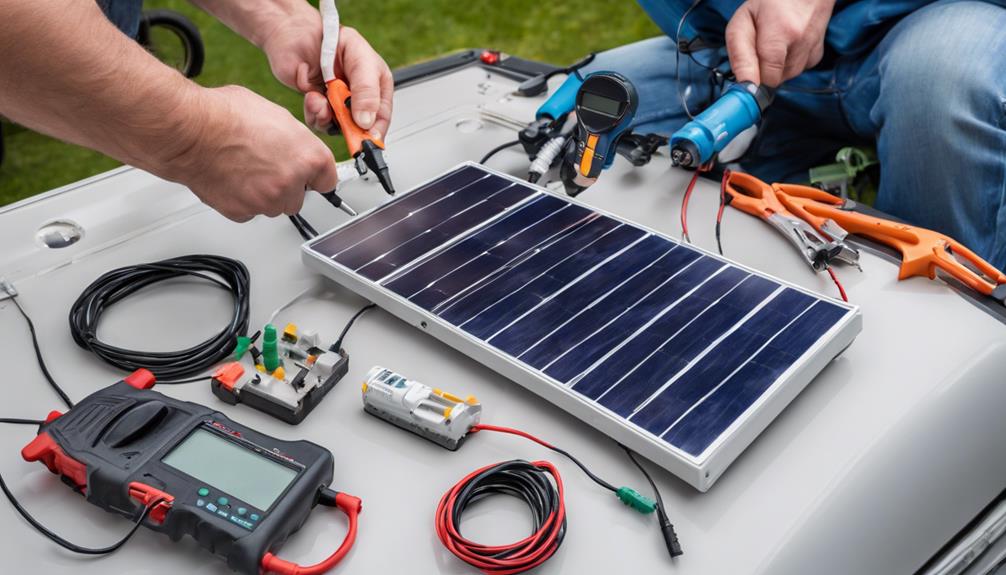
Rail length, splice plates, and end clamps affect layout flexibility. Longer rails reduce the number of joints but require careful handling during installation. Splice kits and couplers create continuous runs while maintaining strength and grounding continuity. Proper torque on bolts and the use of thread-locking or locking washers prevents loosening over time. For electrical safety, many rail systems include integrated grounding channels that tie panel frames to a common ground without additional jumpers.
Roof penetrations and weatherproofing
Roof penetrations are a primary concern when installing solar rails. Flashing kits designed for shingles, tiles, or metal roofs create a sealed barrier around lag bolts. Sealants and proper flashing overlap are necessary to prevent leaks. On low-slope roofs, installers may use raised tile brackets or rail kits with special sealing components. Following manufacturer installation guides and local code requirements reduces the risk of water intrusion and ensures warranty compliance. Our Solar Rail overview includes a comparison of solar tile options available from trusted retailers.
Practical use cases in residential solar systems
Solar rail systems support a wide range of residential use cases. For standard rooftop arrays, rails provide a quick way to mount string inverters or microinverters and route conduit along the rails for a neat installation. In retrofit projects, adjustable rail mounts help accommodate varied panel dimensions and roof obstructions like vents and skylights. Rail-based mounts also facilitate partial roof arrays when homeowners prefer to avoid covering the entire roof surface.
For more complex installations, such as roof-integrated battery storage or carport structures, heavy-duty rails and reinforced framing provide the extra support needed. Solar rails also make maintenance easier: panels can be unclamped and serviced without removing multiple roof attachments, and the rails themselves can be inspected for corrosion or loosening during annual checks. In neighborhoods with strict aesthetics, rail systems with low-profile rails or integrated edge trims offer a sleeker appearance.
Maintenance, lifespan, and cost considerations
Solar rails are designed to last as long as the photovoltaic panels they support, but some components will require inspection and occasional maintenance. Aluminum rails resist rust but can suffer from galvanic corrosion if incompatible fasteners are used. Routine inspections should check for loose bolts, damaged flashing, and signs of corrosion, especially in coastal or industrial environments. Re-torquing and replacing worn hardware can prevent larger failures.
Cost-wise, solar mounting rails represent a modest portion of the overall system price but are critical to long-term value. Basic aluminum rail kits are affordable and widely available, while specialized low-profile or premium corrosion-resistant systems increase material costs. When budgeting, homeowners should weigh the incremental expense of higher-quality rails against potential savings from reduced maintenance, longer warranties, and improved wind performance. Many manufacturers offer 10-20 year or longer warranties on structural components, which can be an important factor in selection.
Choosing the right solar rail for your home
Selecting the best solar rail involves balancing roof type, local weather, panel specifications, and aesthetic preferences. Work with a qualified installer who can evaluate rafter spacing, roof condition, and local code requirements, and who can recommend compatible solar panel rails and mounting hardware. Ask about grounding options, span charts, and warranty coverage for both the rails and the complete racking system. For owners in harsh climates, prioritize corrosion-resistant materials and robust rail anchoring details.
Solar rails are more than just a mounting convenience; they are a critical structural and safety component of any residential solar panels installation. By understanding the types of solar mounting rails available, the installation details that matter, and the maintenance practices that extend service life, homeowners can choose a solution that delivers reliable energy production and peace of mind for decades. Whether you opt for traditional extruded aluminum rails or a rail-less design, the right system will support efficient installation, safe operation, and long-term performance.