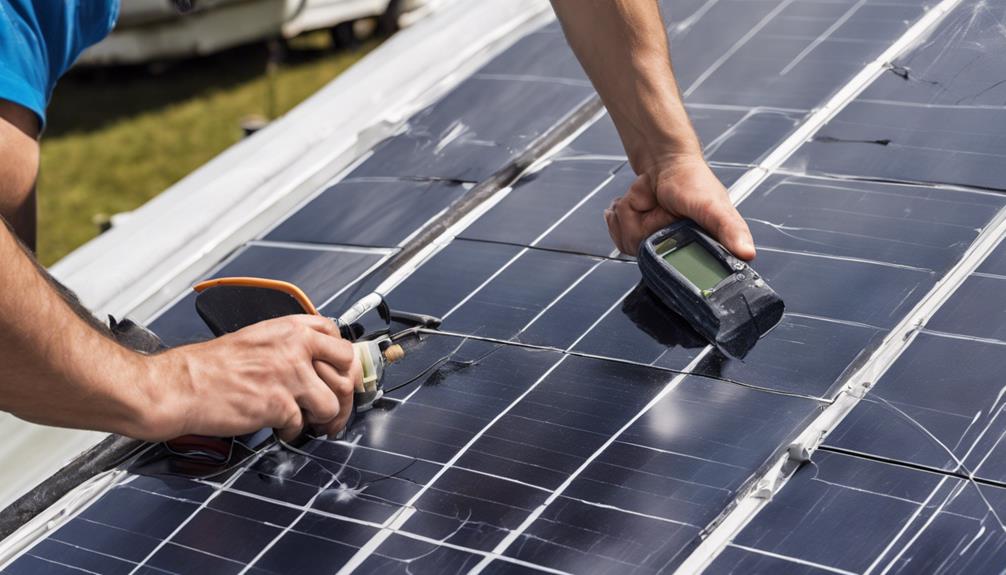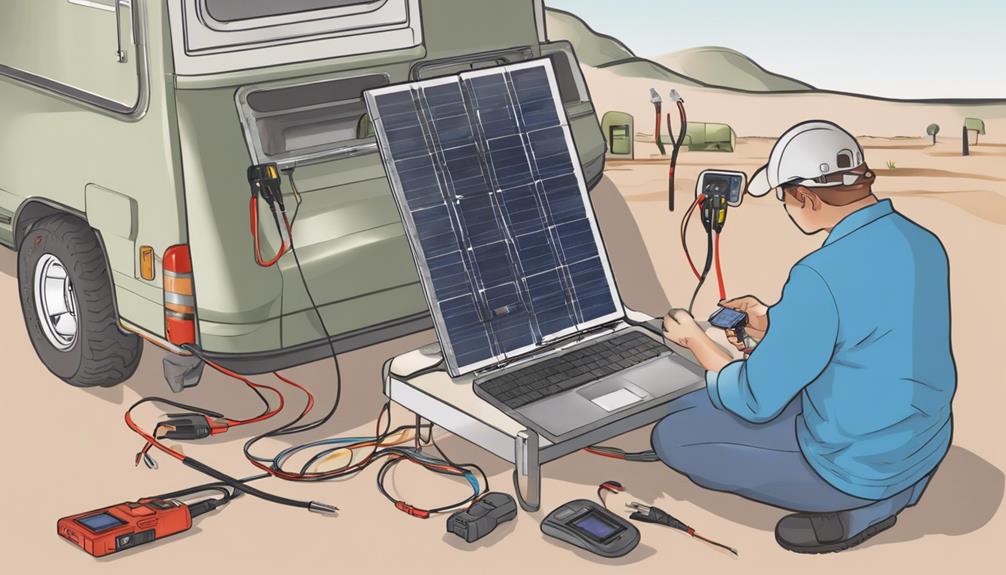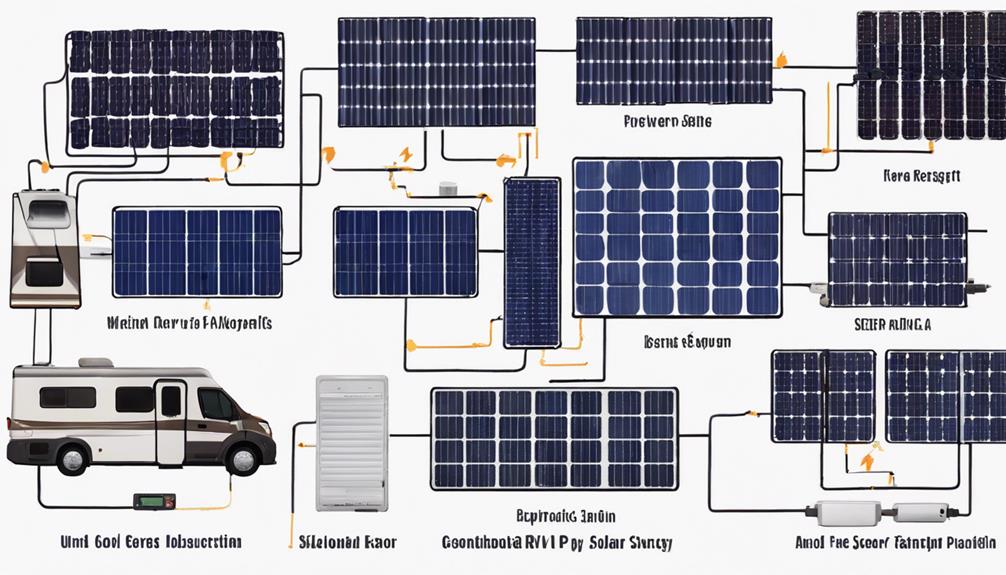
Moving off the grid means relying on systems you own and maintain. An off grid generator is a central component for many remote homes, cabins, and small farms because it provides dependable electricity when solar production is low or when batteries need recharging. This article explains what an off grid generator does, how it integrates with solar systems, and how to choose the best off grid generator for your needs, with practical advice for installation, sizing, and maintenance. Learn how an off grid generator complements solar power integration for reliable energy in remote locations.
What is an off grid generator and how does it work?
An off grid generator is a standalone power source designed to supply electricity to properties not connected to the utility grid. Unlike grid-tied backup generators that kick in during outages, an off grid power generator often runs in coordination with a solar array and battery bank to maintain continuous power. It converts chemical or mechanical energy—typically from gasoline, diesel, propane, or natural gas—into electrical power used for appliances, lights, pumps, and charging batteries.
Most modern off grid setups use inverter-based systems so power from the generator can be cleanly synced with battery inverters, providing stable voltage and frequency. Some generators include built-in inverters or inverter modes that produce cleaner sine wave power ideal for sensitive electronics, while others are simple alternator-based units requiring additional conditioning.
Types of off grid generators and fuel options
Choosing the type of generator depends on availability of fuel, runtime needs, and environmental considerations. Portable inverter generators are lightweight and quiet, making them good for smaller cabins or temporary use. Standby diesel or propane units offer longer runtimes and robust durability for continuous or heavy-duty applications. Diesel engines tend to be fuel-efficient and durable for long run hours, while propane burns cleaner and stores longer without degradation. Hybrid designs and dual-fuel generators give flexibility to switch between fuels depending on what is available.
Another important distinction is between conventional generators and inverter generators. Inverter generators adjust engine speed to match load and produce cleaner electricity, which reduces fuel use and noise. For an off grid power generator paired with sensitive electronics and battery charging, an inverter-style unit is often the better choice.
Integrating a generator with off grid solar systems
In an off grid solar system, the generator’s primary role is as a backup and charger. During prolonged cloudy weather or heavy winter loads, solar panels may not produce enough energy to meet demand and recharge the battery bank. A well-configured generator will automatically start to recharge batteries through a charger or inverter/charger, or it can be manually operated when needed. Proper integration requires a transfer switch or an automatic generator start controller so loads are managed safely and the battery bank is charged efficiently without overworking the generator.
Engineers and DIYers often design systems where the generator maintains the battery state of charge within a set window. This minimizes runtime and fuel consumption while ensuring sufficient reserve for peak loads. When paired with a battery-based inverter, the generator can run at optimized RPMs while the inverter handles sensitive electronics, creating a smooth hybrid system that leverages both solar and fossil fuel sources.
How to choose the best off grid generator for your needs
Selecting the best off grid generator starts with accurately determining your electrical load. Calculate continuous loads and the starting surge of motors and compressors. The generator’s rated continuous output should exceed your combined running watts, and it should provide enough surge capacity for appliances like refrigerators, well pumps, and heat pumps. Also consider fuel availability, runtime between refueling, noise levels, maintenance intervals, and the generator’s ability to parallel with another unit if you expect growing power needs. Consider solar camping setups to complement an off-grid generator for quieter, renewable campsite power solutions.
Other important factors include whether the unit has an integrated inverter, remote start capability, and compatibility with your inverter/charger. If quiet operation is a priority, prioritize inverter generators or well-insulated stand-by units. For long-term, heavy use, look at industrial-grade diesel generators with proven track records. Ultimately the best off grid generator is the one that balances capacity, efficiency, reliability, and cost for your specific location and usage pattern.
Practical use cases and sizing examples
For a small off grid cabin that runs LED lighting, a mini split heat pump, and a few appliances, a 3,000 to 5,000 watt inverter generator may be sufficient for occasional use and battery charging. A larger family home or remote farm with electric well pumps, freezer, and workshop tools may require a 10,000 watt or larger generator to handle surge and continuous loads. Commercial or remote telecommunications sites often use heavy duty diesel generators sized to run critical loads for extended periods.
Consider runtime and fuel logistics when sizing a generator. If you experience long stretches of low solar output, a generator that can run efficiently at variable speed to match battery charging needs will save fuel. For properties where fuel transport is difficult, prioritize fuel types that store well, such as propane, or invest in a system that minimizes generator runtime through larger battery banks and increased solar capacity.
Installation, safety and maintenance considerations
Proper installation and routine maintenance are essential for safe, reliable operation. Generators should be installed in well-ventilated enclosures or outdoors with exhaust directed away from occupied spaces. Carbon monoxide risk makes location and detection critical; every inhabited structure should have working CO detectors. Electrical connections require a proper transfer switch, correctly sized wiring, and grounding to prevent backfeed to any connected systems. Routine maintenance includes oil and filter changes, checking belts and hoses, exercising the generator regularly, and storing fuel correctly to avoid degradation and contamination.
Working with an experienced installer or electrician is strongly recommended for sizing and configuring the generator to work seamlessly with your off grid solar systems. Permits and local codes may dictate placement, fuel storage, and emissions compliance, so verify regulations before purchase and installation.
Choosing the right off grid generator is part engineering, part lifestyle planning. By understanding loads, fuel logistics, and integration with solar and battery systems, you can select a reliable off grid power generator that minimizes fuel use while keeping your home or property comfortable and safe. Thoughtful sizing, proper installation, and routine maintenance will extend the life of your equipment and make your off-grid living experience far more predictable and resilient.