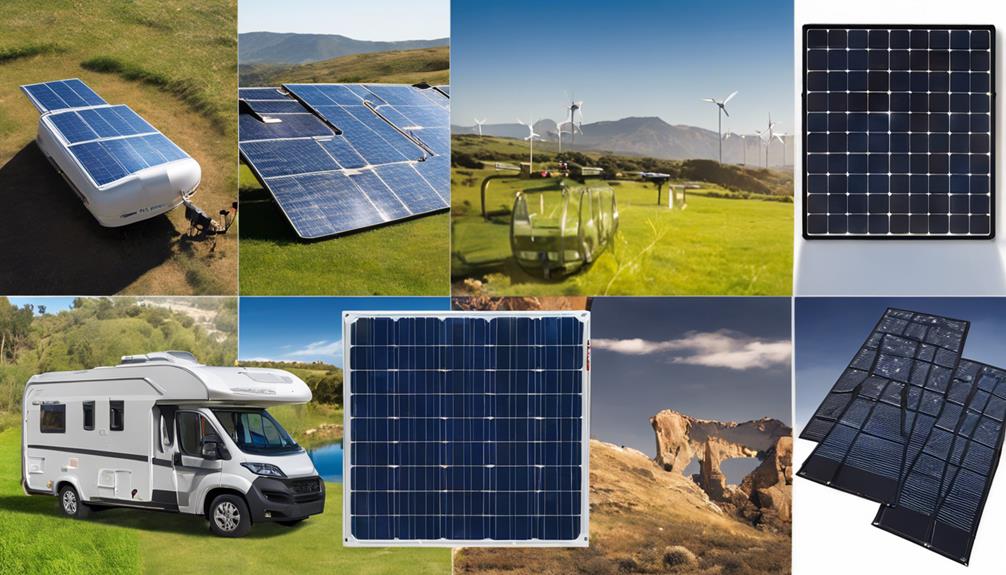
TL;DR: Small foldable panels and solar power banks are great for topping up phones and cameras; reliably charging laptops or appliances needs higher-watt panels plus a battery (portable power station) and MPPT control. Check USB-C PD support, real battery Wh, safety certifications, and airline rules (see note).
How modern solar chargers work
Most consumer “solar chargers” combine four elements: a photovoltaic (PV) panel that converts sunlight to DC electricity, a charge controller or electronics (often MPPT) that optimizes the panel output, one or more output ports (USB‑A, USB‑C PD, or DC), and sometimes an internal battery (power bank or power station) for storage.
Key technical terms to know: STC (Standard Test Conditions) is how vendors rate panel wattage (1,000 W/m², 25 °C); real output is lower due to angle, temperature, shading and clouds. Peak sun hour (PSH) is a practical unit: 1 PSH = 1,000 W/m² for one hour (equivalent to 1 kWh/m²). MPPT (Maximum Power‑Point Tracking) electronics extract more energy from panels in variable light than simple direct connections, which matters when charging batteries or power stations.
Product categories and typical uses
Foldable USB panels (10–60 W)
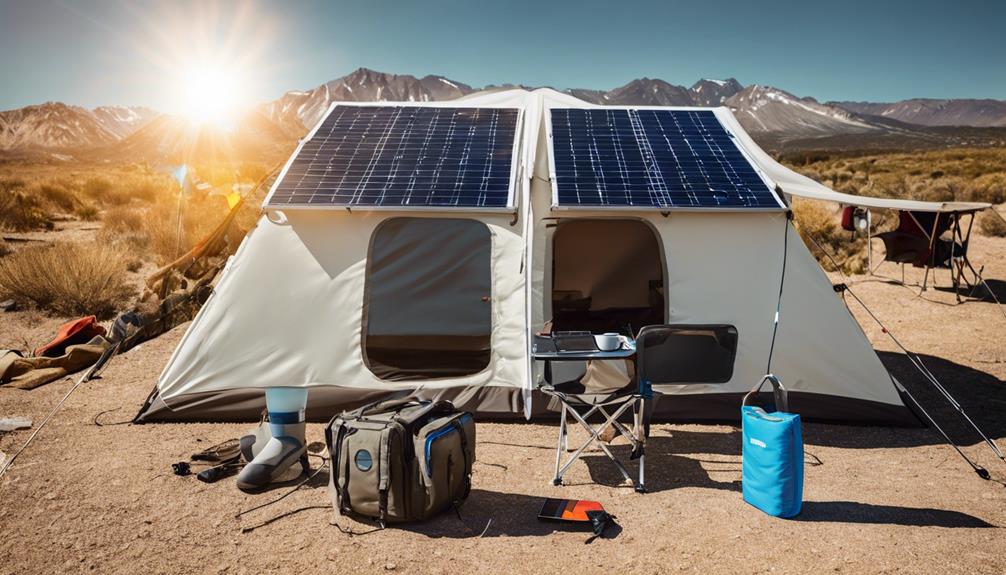
Lightweight, packable panels often include one or more USB ports and are intended to top up phones, cameras, and small power banks. A common example is a 30 W USB panel—useful for day hikes and travel. These panels are best for phone/tablet top‑ups; direct laptop charging is possible only when the panel provides sustained power via a USB‑C PD port or feeds a PD‑capable power bank.
Solar‑enabled power banks
These combine a battery pack and a small solar cell. Solar input on the pack is typically slow, so treat the battery as the main store and the panel as an emergency or trickle recharger. Check the battery capacity in watt‑hours (Wh) rather than mAh for easier comparisons with panel output and airline rules.
Portable power stations + solar arrays
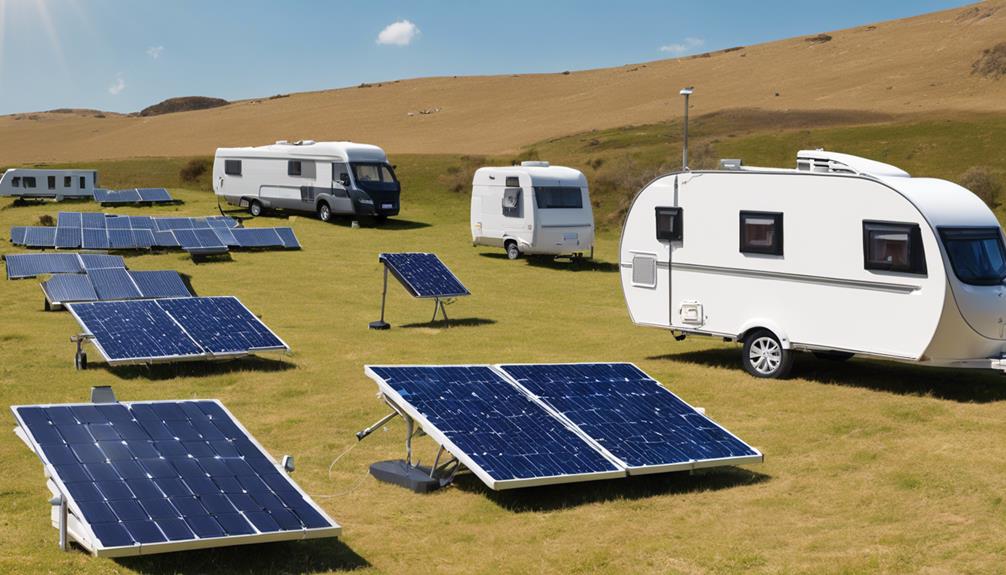
For laptops, overnights, or small appliances, use a portable power station (hundreds to thousands of Wh) charged by one or more solar panels. Look for MPPT charge controllers and matching panel voltage/current specifications. This setup is the realistic way to run higher‑power devices off solar away from the grid.
Integrated and niche chargers
Some products integrate panels into laptop cases or backpacks; they’re convenient but limited by panel size and angle—best for slow trickle charging or maintaining battery level.
Realistic performance and expectations
Panel nameplate wattage is an idealized number. To estimate daily energy: multiply panel wattage × peak sun hours (PSH) for your location, then apply losses for angle, heat, wiring, and conversion. Example: a 30 W nominal panel in a 4 PSH location could produce up to ~120 Wh/day under ideal alignment; expect lower real yield after losses (often 60–90% of that, depending on conditions).
Indoor or artificial lighting produces far less irradiance than sunlight; ordinary outdoor panels produce negligible power indoors, so don’t rely on them for practical indoor charging.
Interfaces and charging standards to watch for
USB‑C Power Delivery (USB‑C PD) is the de facto standard for modern device charging. Phones commonly use 15–45 W; many laptops accept 45–100 W PD, and PD 3.1 EPR extends up to 240 W for high‑power devices. If you need to charge a laptop, either get a USB‑C PD solar panel/power bank or charge a PD‑capable portable power station from your solar array.
If a panel or power station advertises laptop charging, confirm the PD wattage and continuous output—some vendors quote peak bursts that aren’t sustained in real conditions.
Safety, certifications, and travel considerations
Look for battery and transport safety markings: IEC 62133 (battery safety), UN 38.3 (transport testing). For air travel, rules as of July 1, 2026: power banks ≤100 Wh are generally allowed in carry‑on without airline approval; 100–160 Wh may require airline approval; >160 Wh is usually not permitted on passenger flights. Always check your specific airline before travel. Wh is the most reliable battery measure; convert if needed: Wh = V × Ah.
Also check IP ratings for dust/water resistance if you’ll use gear outdoors (IP65, IP67, etc.), and prefer products with third‑party testing or good review histories rather than unlabelled cheap imports.
Buying checklist
- Panel wattage matched to your needs (10–60 W for phones/tablets; higher for power stations).
- USB‑C PD support and advertised continuous wattage (for laptops: 45–100 W or more).
- MPPT charge controller if you plan to charge batteries or power stations.
- Battery capacity in Wh (if included) and printed Wh value for travel compliance.
- Safety certifications: IEC 62133, UN 38.3, or reputable third‑party test reports.
- IP/weather rating appropriate to your use.
- Cable and adapter compatibility (USB‑C, DC barrel, MC4, etc.).
- Weight, pack size, and manufacturer warranty.
- Real-world user tests or trusted review coverage, not only vendor claims.
Practical tips for use
- Point panels toward the sun and use a tilt/stand where possible; avoid partial shade.
- Keep panels cool—high temperature reduces efficiency.
- If you have a power bank, charge it in full sun and use the bank to charge devices when needed.
- Expect slower charging in cloudy or low‑angle sun; plan for margins.
- Use MPPT-equipped chargers/controllers when charging batteries for significantly better yield under variable conditions.
- Carry power banks in carry‑on luggage when flying and verify Wh limits with your airline.
FAQ / mythbusting
Can a portable solar charger power a laptop? Yes—but only if the system supplies the required sustained wattage via USB‑C PD or by charging a sufficiently large power station. Pocket panels alone rarely sustain full laptop charging.
Will it work indoors? Generally no; indoor/office lighting yields orders of magnitude less power than sunlight and is impractical for most outdoor panels.
Are solar power banks truly “green”? They reduce operational grid electricity use, but consider embodied carbon, battery lifespan, and recycling/disposal practices when evaluating environmental benefit.
Further reading
- NREL PVWatts / peak sun hour guides for estimating solar output.
- USB‑IF documentation on USB Power Delivery and PD 3.1/EPR.
- Guidance on battery safety standards (IEC 62133) and transport testing (UN 38.3).
- Recent hands‑on reviews of portable panels and power stations from reputable gear testers.
Editor note: this article preserves the editorial slug solar-chargers-for-our-modern-gadgets and uses current rules cited above (airline guidance as of July 1, 2026). Verify product specs and airline policies on the publish date.